À perdre la raison (either translated to Our Children or Loving Without Reason)
Director: Joachim Lafosse
Writer: Thomas Bidegain, Joachim Lafosse, Matthieu Reynaert
Cast: Émilie Dequenne, Tahar Rahim, Niels Arestrup
Part of: Viennale
Plot:
Mounir (Tahar Rahim) was originally from Marocco but came to Belgium under the tutelage of André Pinget (Niels Arestrup), a doctor who adopted Mounir, took him in and basically provided everything for him. So it is clear to Mounir that he owes André everything and couldn’t possibly leave him. Not even when Mounir meets Murielle (Émilie Dequenne) and they fall in love. So Murielle moves in with the two men and everything seems to be going fine at first. But as the situation drags on and the stress is increased by the rapid arrival of children, Murielle’s nerves become more and more frayed.
Damn, people. Sometimes I hate myself because I always go for those emotionally traumatizing films. À perdre la raison is definitely a harrowing experience (especially since it’s based on actual events) because it was such a well-made movie. I guess you have to be a masochistic viewer to go for that kind of thing, but if you are, you’re getting your money’s worth out of this one.

Émilie Dequenne was absolutely fantastic. You could watch her slowly falling apart so much that it was almost a physical thing. Lafosse gives neither her, nor the audience even a moment’s respite from that.
Instead he is pretty merciless in showing how Murielle is completely lost and being left alone by her entire environment, especially those two men in her life. Mounir is entirely useless, but cute and nice in the beginning, and then he grows less and less nice and cute and ever more useless to abusive. (Yes, I know he too was overwhelmed and up to his neck in a conflict of loyalty, but he really didn’t handle it very well.)

Admittedly, I have a much harder time judging André. Even though he is much more calculating and only helps Murielle if it servers his purpose or gives him more control over her, at least he can and does handle the kids with love, especially when Murielle can’t anymore.
But it really is a sign of the movie’s and the script’s quality that, while the story follows Murielle and is obviously empathetic to her, all the characters are so fleshed out and the complexities of the story remain. I could write a whole lot more about it and I haven’t even touched the relationship between Murielle and her mother-in-law yet.
I won’t do that, though. Instead I’ll just recommend that you watch this movie yourself. If you can stomach it.
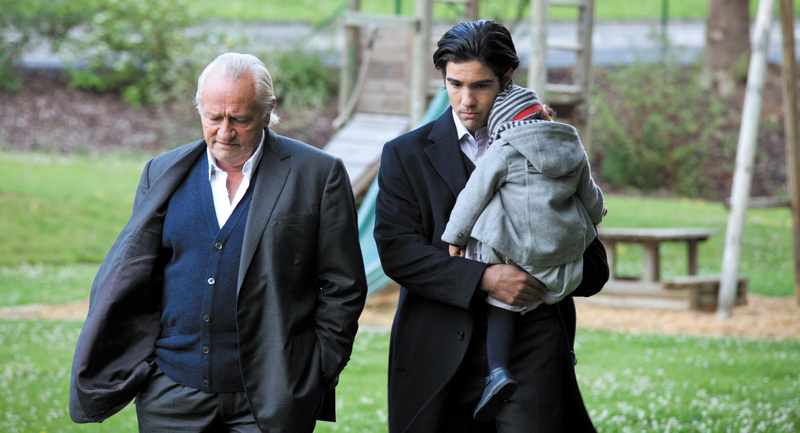
Summarising: Hard stuff. But extremely worth it.
 kalafudra's Stuff