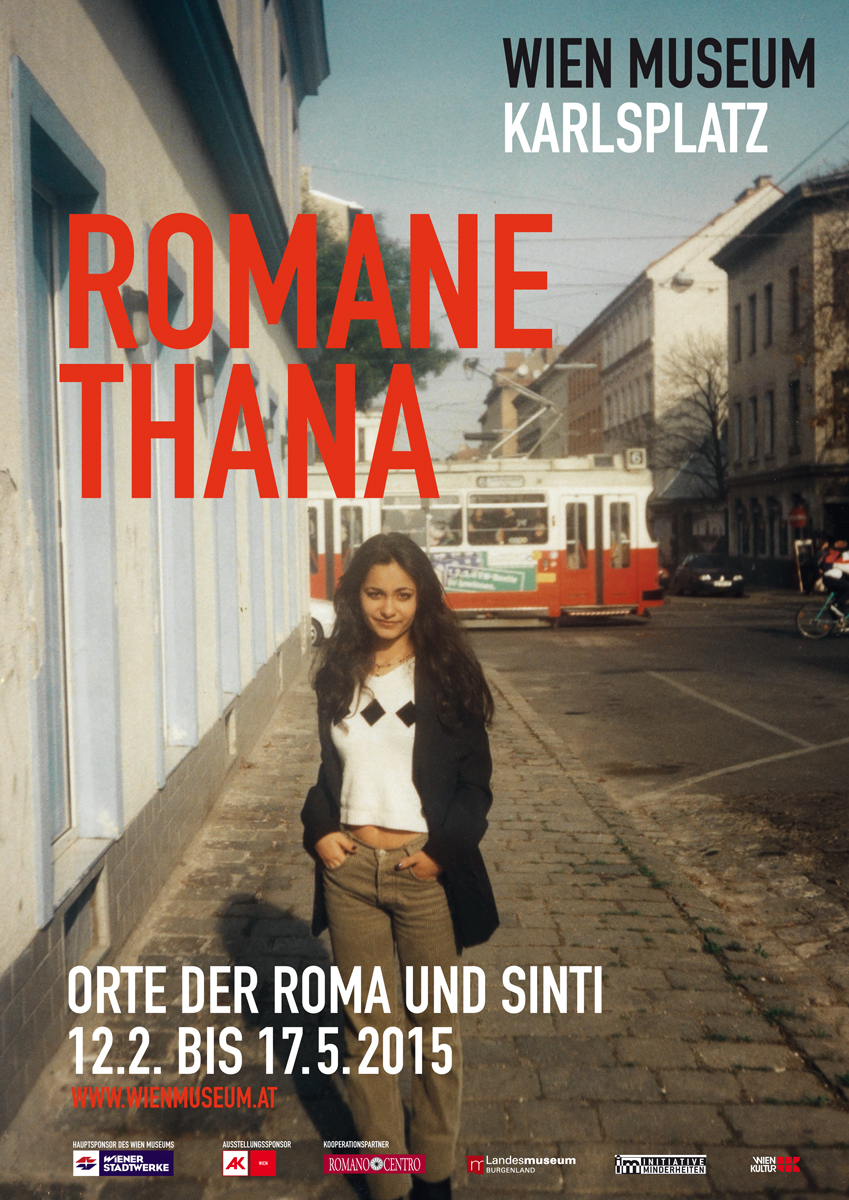
Romane Thana – Places of the Roma and Sinti is an exhibition at the Wien Museum about the history of the Roma and Sinti in Austria.
Seen on: 13.2.2015
Roma and Sinti have historically been an extremely underprivileged group in Austria, and that is putting it lightly. They were systematically persecuted, killed and generally abused – all of that for centuries rather than decades. That has been going on for so long that most of the people who identify as Roma, or Sinti, or one of the many other groups that are usually subsumed under the mantle of “Roma”, would rather that nobody knows of their background. So to see an exhibition that not only talks about the exotification, ostracization and annihilation of the Roma and Sinti in and around Austria, but also about their arts, culture and accomplishments, all curated by Roma and Sinti themselves, is a wonderful thing and I’d urge everybody, in particular Austrians, to see it.
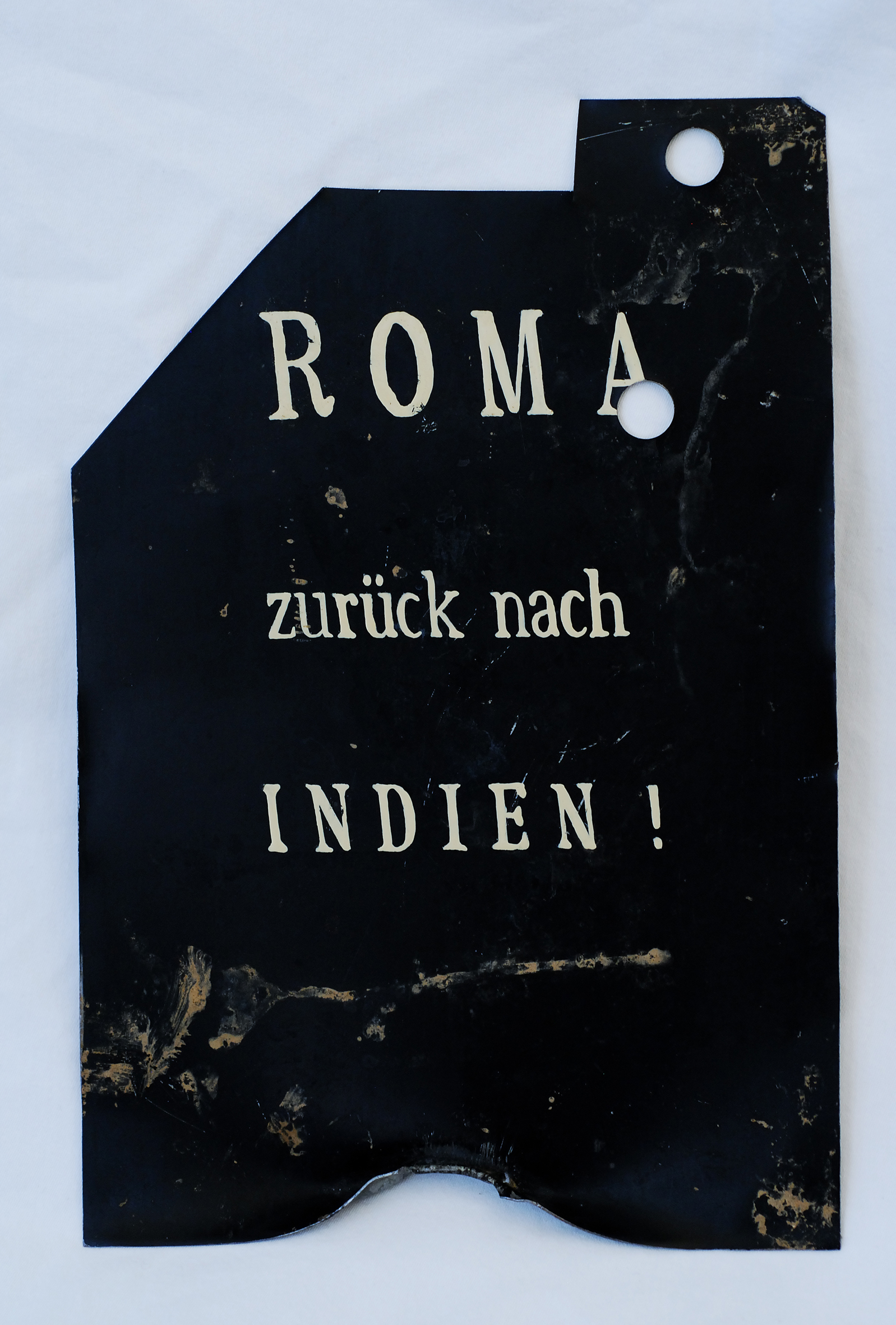
The exhibition covers a lot of things in a very small space. It starts with a historical discussion of, in particular, photos. They show old ethnographical photos (and novels) that are wildly misrepresentative, but that still shape the modern view of Roma and Sinti, basically tracing the construction of the “gypsy” (a slur that seriously shouldn’t be used anymore). But they also show photos from private collections that show a more accurate representation of the lives of the people a hundred years ago and up to the Second World War (in which Roma and Sinti were carted off to die in concentration camps just like Jewish people or homosexuals), including images of the ghettos they had to collect in and from whicht they were transported.
The second part of the exhibition is less historical (it focuses on the past 20 to 30 years or so, and today) and in that part, various Roma and Sinti have prepared different exhibits that they think is important to reflect the presence of Roma and Sinti in Austria. That ranges from modern art (a lot of which deals with the trauma inflicted by WW2) to a video installation collecting video representations of various kinds.
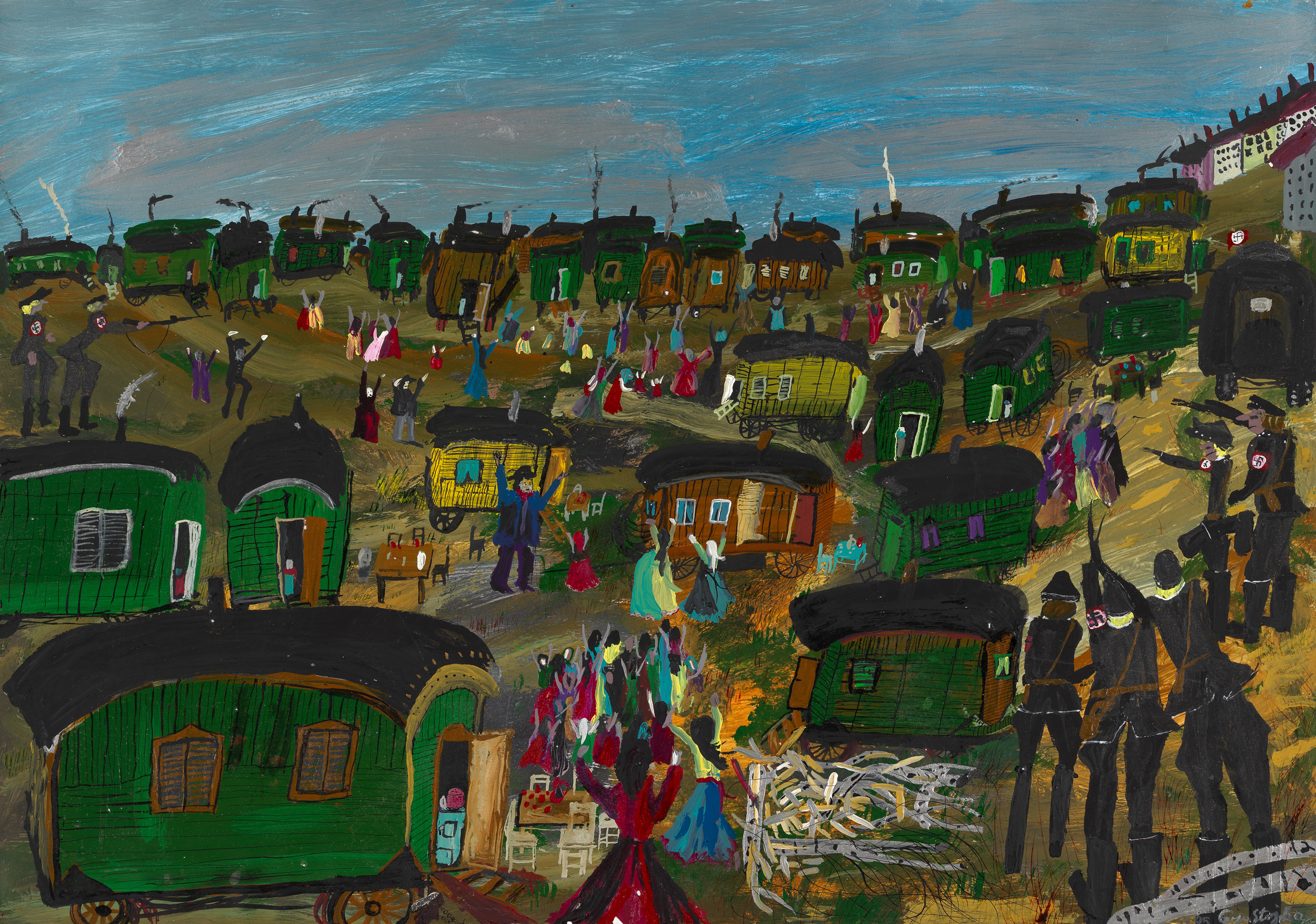
But not all about the exhibition is just doom and gloom, even if it might come across that way in my review. Especially the creative endeavours of the Stojka family (in particular Ceija and Harri) are a testament to that and the exhibition gives a nice first look at their work.
Unfortunately, by the end of the exhibition, my brain was fried (especially since we combined it with the Mira Lobe/Susi Weigel exhibition), so I couldn’t pay as much attention to the last part as I wanted to. Maybe I’ll go back at some point.
 kalafudra's Stuff