Ganymed Bridge
Concept by: Jacqueline Kornmüller, Peter Wolf
Seen on: 3.6.2023
“Plot”:
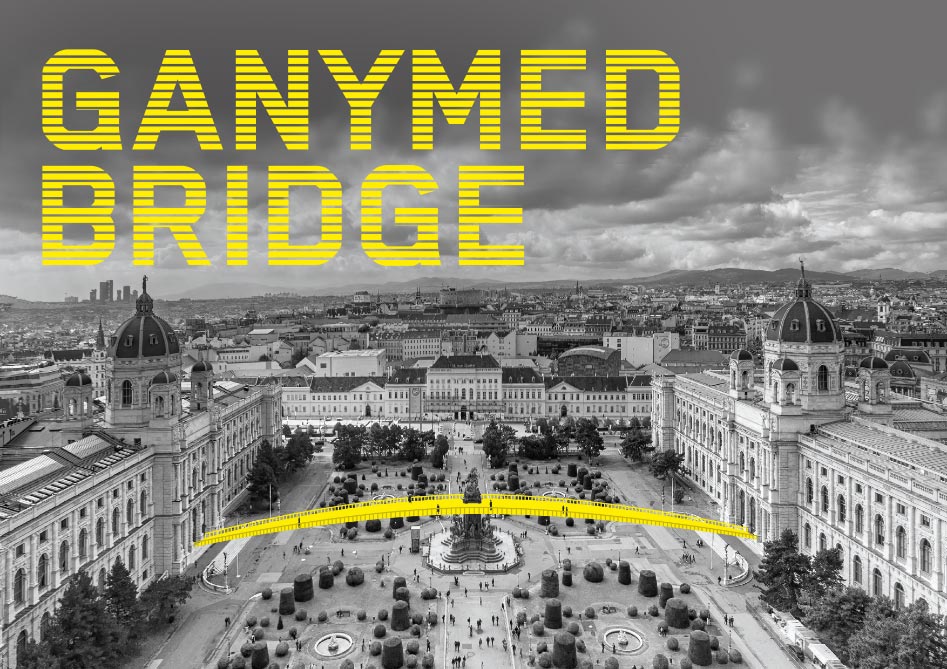
The Ganymed series is a collection of performances in the Museum of Art History and, with Ganymed Bridge for the first time also the Museum of Natural History in Vienna. The performances range from monologues to musical pieces, all created by different artists in response to exhibits in the museum. Ganymed Bridge revolves around themes of nature conservaton, human-animal relationships and transformation.
Ganymed Bridge is an ambitious project that, I am afraid, has bitten off a bit more than it can chew as whole. The various scenes will speak differently to different people, I am sure, but in their variety, there is something there that will appeal to everyone, I think.
Ganymed Bridge is a series of 15 performances, all lasting between 7 and 15 minutes. You get three hours, a random starting point that determines your course through the scenes, and then you’re responsible to see all of the performances yourself. I thought that we did pretty well with our walk through the program. We didn’t take any breaks, although we sometimes had to wait a little for one scene to finish so we could start with it at the beginning. Nevertheless, in the end, we didn’t manage to see two scenes because we had run out of time. In fact, we were in the middle of a scene when the announcement came that we had time for one more, so after that scene finished, we all made our way to the next one and sat there expectantly, but the performers obviously thought that they were done already. After a couple of minutes of confused stares from both sides, they had another go at their performance – otherwise we would have missed three performances. This is frustrating, to say the least – especially since we already only caught only half of the first performance from the outside because we were still queuing at the entrance to be let in. It would have done everybody some good if there had only been 12 performances, giving us a chance at least to see everything that was offered. Well, now I know that should I go to the next Ganymed iteration, I won’t be sticking with performances that don’t speak to me immediately but rather make a fast switch.
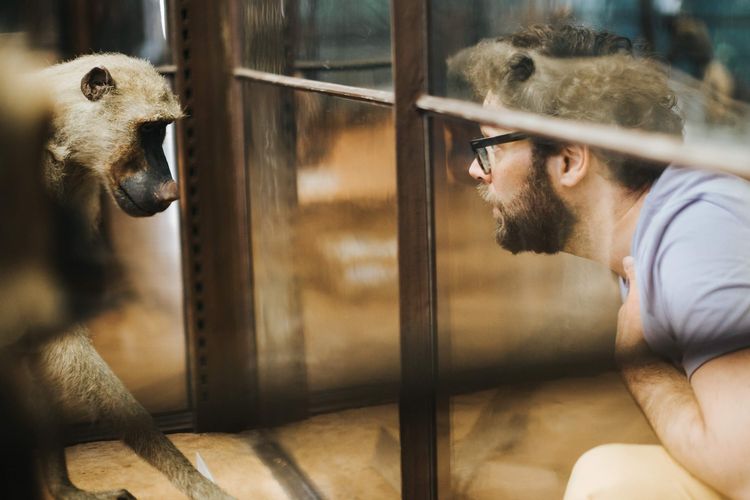
Apart from these organisational issues, though, there were certainly some really excellent performances there that I really loved. Others left me cold, but that’s usually the case with anthology formats everywhere. My personal favorites in the Museum of Natural History (where we started) were Personal Growth by András Dés, a dance performance where he communicates with the ape inside of him in a rather humorous way; Wie die Welt schmeckt (How the World Tastes) by Miriam and Mercedes Vargas, an autobiographical tale mixed with dance; Schattenmond (Shadow Moon) by Lukas Lauermann, a haunting cello piece, and The Nest by Lillya Burdinskaya and performed by Manaho Shimokawa, a fantastic tale of transformation. They each played with various animal exhibits.
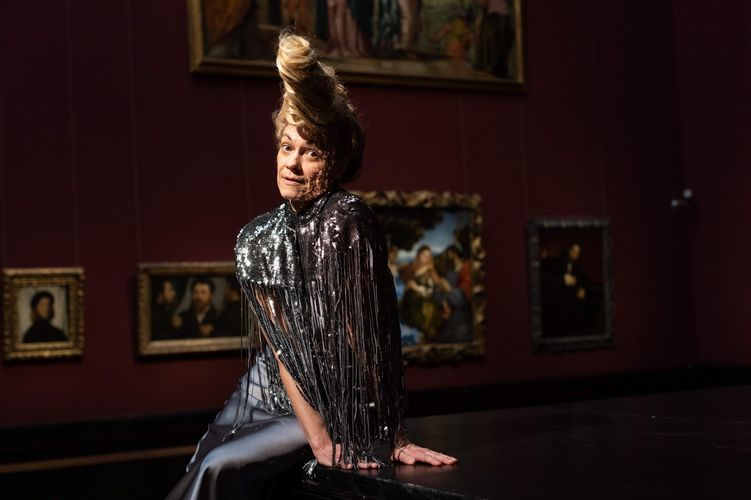
I had maybe a little less fun in the Museum of Art History, maybe because I was running out of steam there. But my overall favorite performance of the night was Concerning das Einhorn by Teresa Präauer, performed by Grischka Voss, a monologue where a unicorn complains about her representation in art (specifically Alessandro Bonvicino’s Saint Justina). It was funny and fresh, wonderfully acted and I just loved it. It’s a good thing that this wasn’t one of the performances I missed.
Summarizing: interesting but too big for its own good.
 kalafudra's Stuff