Aus Franzensbad [literally: From Františkovy Lázně] is an epistolary novel(la) by Marie von Ebner-Eschenbach.
Finished on: 20.5.2023
Plot:
A countess is sent to the spa town Františkovy Lázně by her doctor. The countess is worried that she will be out of her mind with boredom there, so she convinces the doctor that she will fill her time with writing letters to him – letters that are supposed to be published as a travel memoir/guide. But the countess’ idiosyncratic approach to her writing leaves the doctor at a bit of a loss.
Aus Franzensbad was one of the earliest things Ebner-Eschenbach published and it has a youthfulness and dynamic energy that seems to reflect that. But I have to admit that I often felt that I lacked the necessary knowledge and background to really appreciate the many references often built into the text. It is still entertaining, though.
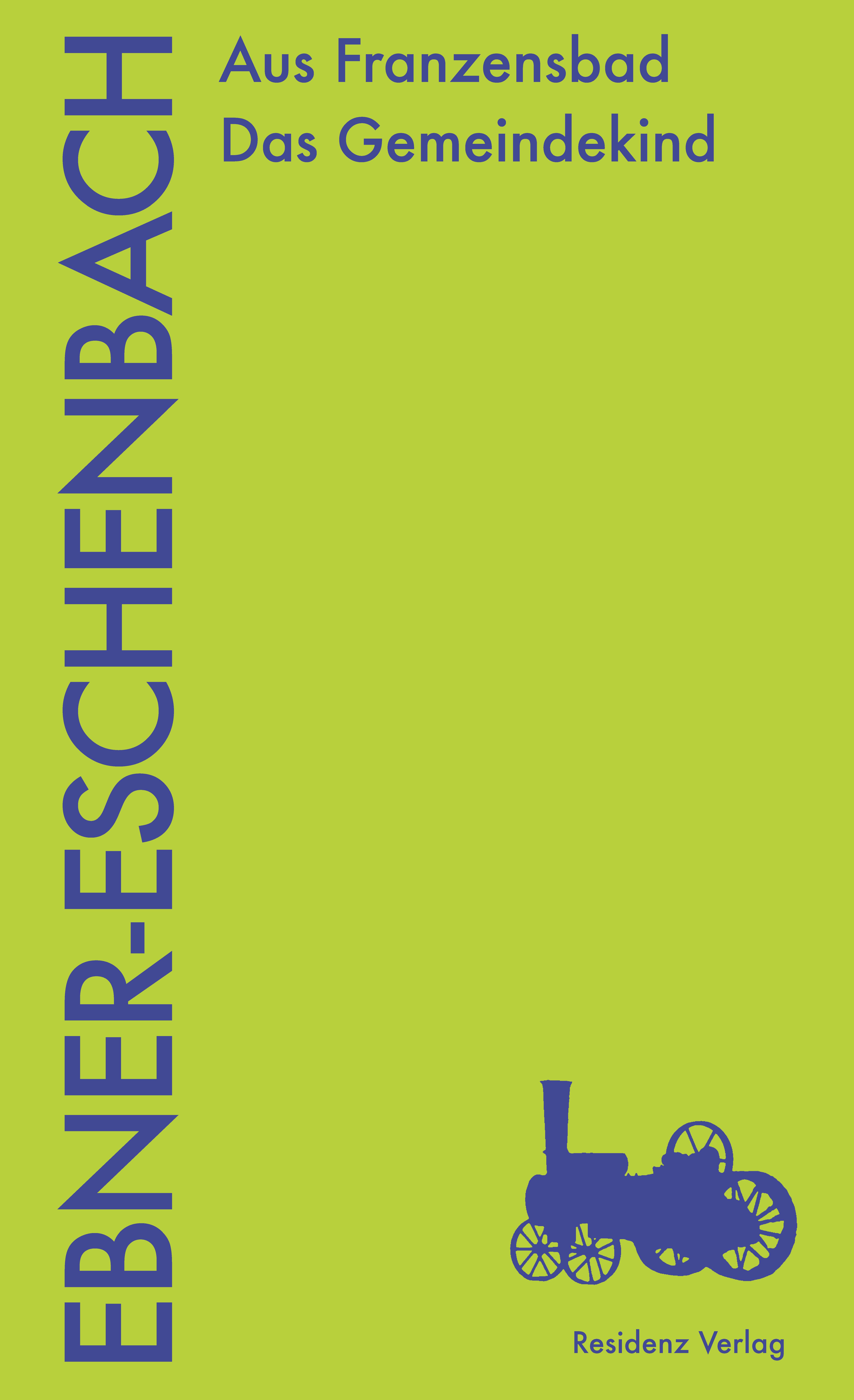
The edition of this epistolary novel that I have is part of a collection of Ebner-Eschenbach’s most important writing. It does come with an introduction and footnotes, but unfortunately I found neither particularly helpful to really understand the novella. There is too much context needed to really understand the many parodistic and referential elements that Ebner-Eschenbach includes. This makes Aus Franzensbad the kind of text that would be excellent material for a semester course, but makes it a little harder to approach as an interested layperson.
That being said, there is an enjoyable read nonetheless. Once you just let the references pass over your head, you can have fun with this countess running rings around her doctor with her unconventional ways. She is hiding her sharpness, her criticism and her ability to observe beneath a veneer of superficiality and the doctor does not understand this at all. Her ability alone to switch genre and styles with every letter she writes is both a testament to her as a character, and to Ebner-Eschenbach as a writer.
Generally speaking, the prose was beautiful and often very funny. And, as I said, incredibly dynamic, also thanks to the many switches that the countess pulls off in her letters. The two correspondents emerge as wonderfully vivid characters, although it is the countess who gets more attention, of course.
Even if you can certainly get more out of the book than I did, especially if you know the German 19th century literary scene, the book is good enough to sparkle regardless of my lack of knowledge. Even if you do understand it more in-depth, it still feels lighter and definitely less dramatic than Das Gemeindekind or (some of) Ebner-Eschenbach’s short stories, just by virtue of being a comedic work. I definitely had my fun with it, even if I didn’t completely love it.
Summarizing: maybe not where you want to start with Ebner-Eschenbach, but still worth reading.
 kalafudra's Stuff