It Ends With Us
Director: Justin Baldoni
Writer: Christy Hall
Based on: Colleen Hoover’s novel
Cast: Blake Lively, Justin Baldoni, Jenny Slate, Brandon Sklenar, Hasan Minhaj, Kevin McKidd, Amy Morton, Alex Neustaedter, Isabela Ferrer
Seen on: 16.8.2024
Content Note: domestic violence
Plot:
Lily (Blake Lively) has plans to open a flower shop in Boston. The death of her abusive father (Kevin McKidd) seems almost auspicious for a fresh start as well. Then she meets neurosurgeon Ryle (Justin Baldoni). While he is hesitant to start a relationship, they can’t seem to let go of each other. When they run into each other twice by chance, it’s like the universe doesn’t want them to let go of each other, either.
It Ends With Us is one of the rare cases where the film really is better than the book. Since the book isn’t all that great, that might not be saying too much, but it is a very solid film about an important topic. Now, if only the marketing didn’t make it look like a romance movie…

Overall, It Ends With Us is a very faithful adaptation of the source material. But it does change a couple of things, and most of those changes were really good (my biggest issues with the book were the prose – naturally missing here – and Lily’s uneven characterization). The first thing was making both Ryle and Lily older. This was particularly good because it made Lively’s more flirtatious and self-confident interpretation of Lily than I would have read her in the book feel more natural and grounded. I honestly loved her take on Lily. The second change I really appreciated was that it got rid of the diary entries (while acknowledging them) and exchanged them for simple flashbacks. The diary entries would have been difficult to incorporate into a movie anyway, and having them as a voice-over would have felt more than cringy.
They also decided to leave Ryle’s abuse very much unclear at first. Since Lily doesn’t want to see his abuse as abuse, we don’t get to see it as such either until a later point. Instead it is framed as accidental. That was a clever change, but it did have the drawback that Lily’s insistence after the first incident in the book that she would leave Ryle if it ever happened again was missing in the film, a beat that I missed because too often victims of abuse will tell themselves and their abusers just that.
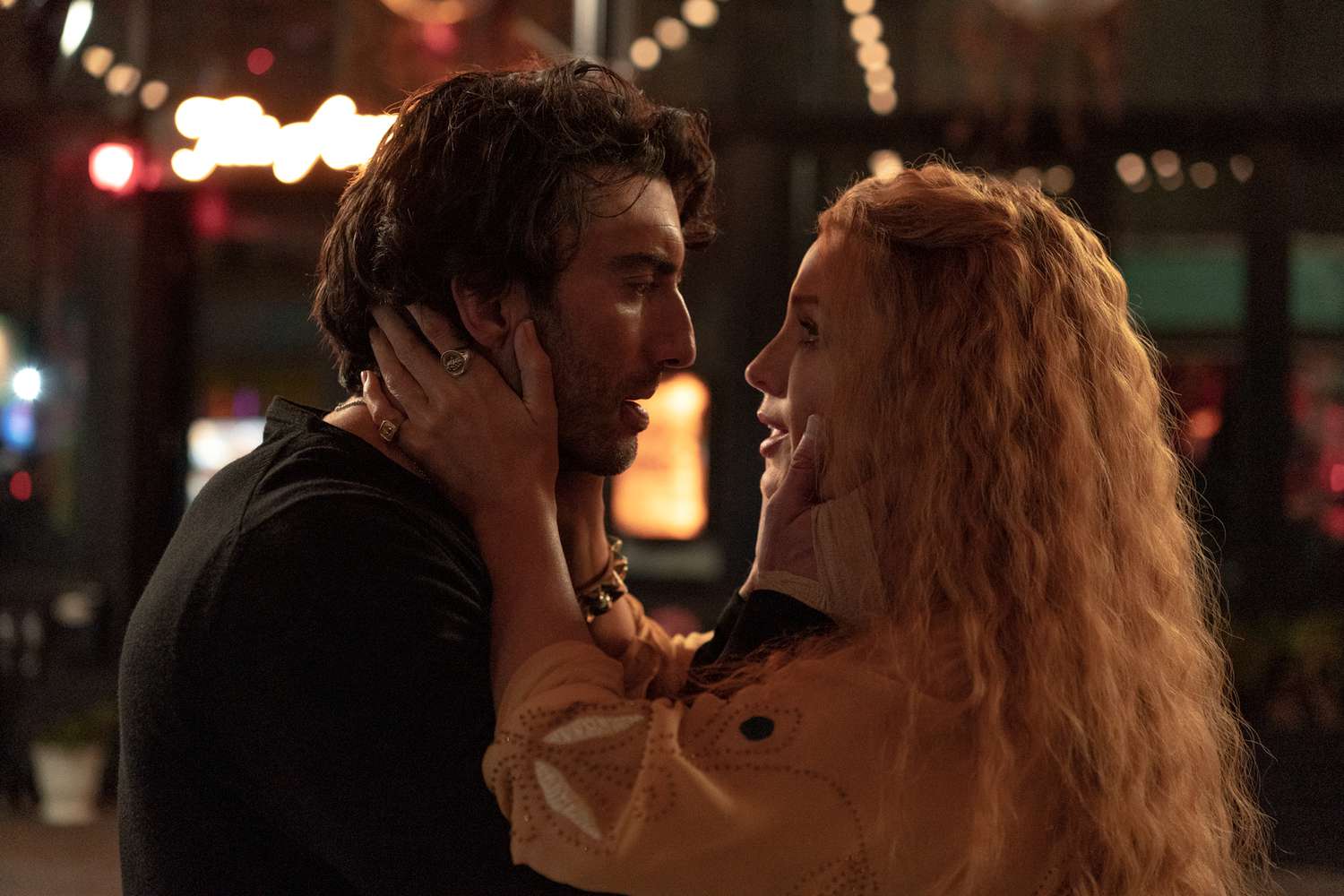
As a movie in its own right, Baldoni does good work as a director, especially for a first-timer. The cast is really good. Lively I already mentioned and I always have a soft spot for Jenny Slate (who deserves it, I think). Baldoni gives Ryle a lot of depth. But the biggest revelation was Isabelle Ferrer who plays the younger Lily. She was outstanding in both her approximation of Lively(‘s mannerisms) and in making the character her own.
The costume department was also particularly remarkable. I mean, I am not much of a fashion person, and I am not sure I liked Lively’s wardrobe, but it definitely made me pay attention – which is more than I can say for most movies. (The same goes for the part of the production design that was responsible for Lily’s flower shop.) It does feel like a RomCom look, though, and maybe that’s part of what makes the marketing of the film so misguided: While I appreciated that even abusive relationships start out romantic at first, this is not a romance and should not be mistaken for it. The movie knows that. The audience should be aware of it going in, too.

Summarizing: well done.
 kalafudra's Stuff