The Psychopath Test: A Journey Through the Madness Industry is a non-fiction book by Jon Ronson.
Finished on: 26.1.2025
“Plot”:
Ronson becomes intrigued with the concept of psychopathy. With the help of scientologist who are critical of psychiatry as a whole, he gets in touch with a young man in a psychiatric facility who was diagnosed as a psychopath but now claims he only pretended to be one to avoid a jail sentence. Nobody believes him anymore, though. Ronson tries to learn how to diagnose psychopaths, then starts seeing them everywhere, even in himself. But can that really be the way?
The Psychopath is an entertaining read, but not a particularly deep dive into the issue. If you really want to learn something about psychopathy, then you might want to get another book. But if you want to get a colorful guide past it and issues related to it, then this is for you.
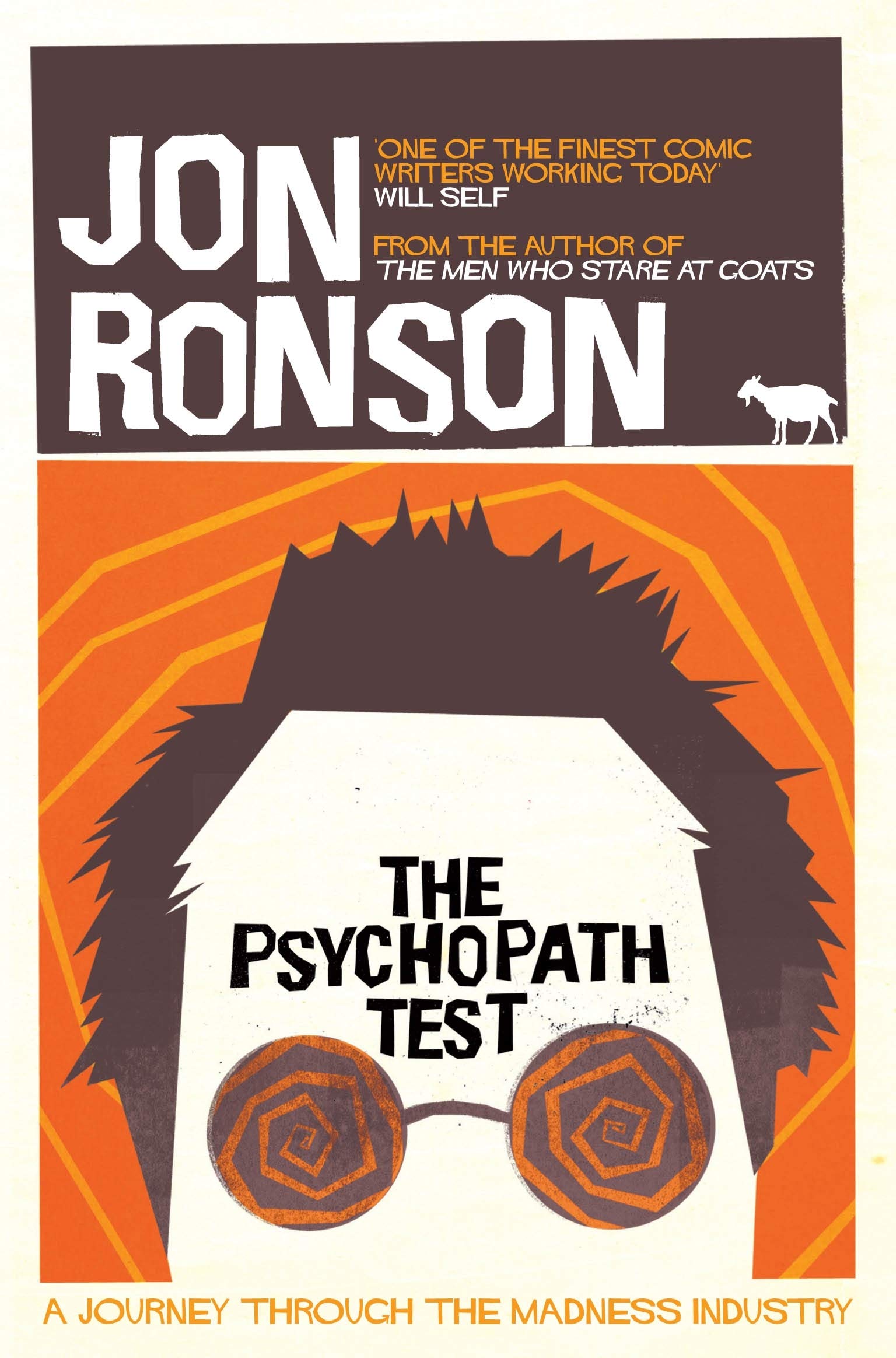
Ronson got on my radar with The Men Who Stare at Goats movie, and then I saw that he had written on Psychopathy, which more up my alley than psychedelic military research. So I got The Psychopath Test and didn’t read it for a decade or more. That’s just how it is sometimes. Too many books, too little time. Anyway, by now, my interest in psychopathy has changed given that I have become a psychotherapist myself and have grown more critical of psychopathy as a phenomenon. I figured, I’d just give this book away and then I thought, I’d start reading it and see if I’d like it and then I had suddenly read it all – it’s just breezy like that.
It’s also much more of a journalistic and personal take on the entire thing than I expected, to be honest. The book is not so much about Ronson condensing and giving an overview of what he learned by talking to experts in the field, and people diagnosed with psychopathy (the kind of journalism I expected) and much more about him sharing what he experienced while he wondered about this topic and tried to find out more. There are things to be learned here, and it is certainly entertaining, but it lacks some depth and seriousness that should have been there, given the complexity of the issue.
Because it is complex. Psychopathy as such is not something that is diagnosed anymore, I think, though there is a type of narcisstic personality disorder that comes pretty close to what we think of when we hear psychopathy. No matter the diagnosis, there are people who can’t really live in society without endangering others or themselves. Our societal answer to this has traditionally been to lock them up and keep them away. The morality of this answer can be and is questioned, especially when it comes to indefinite psychiatric confinement. Psychiatric practices should be equally open to being questioned. Psychiatry as well as psychology and psychotherapy often work with very vulnerable people in desperate need that deserve a careful approach to diagnosis and treatment, especially because our psyche is often so much more personal to us than other parts of ourselves like, say, our appendix.
Ronson brushes past these issues time and again, but never really stays with them. Instead he would rather focus on more sensationalist aspects and, above all, colorful people who may or may not be psychopaths. And while I am usually here for authors making their own position, their own perspective transparent, his approach is less transparency and more making it about himself. And even if he experiences the phenomenon everybody who deals with any type of mental illness knows, the experience of finding that all those diagnostic criteria suddenly seem to apply to you, Ronson is very likely not a psychopath, so he probably shouldn’t be the topic of this book all that much.
Summarizing: not a bad read, but not an enlightening one if you work in the field.
 kalafudra's Stuff