Les glaneurs et la glaneuse
Director: Agnès Varda
Writer: Agnès Varda
Seen on: 3.2.2025
„Plot“:
In France, gleaning is the lawful right of people and has been for a few hundred years. After harvest, whatever remains on the fields is up for grabs for the people. A person’s trash is another person’s treasure, also on the market place or the actual trash. Varda follows a few of the gleaners, and asks herself if she, too, isn’t a gleaner in her work as a filmmaker, collecitng images, people, experiences.
Les glaneurs et la glaneuse is a beautiful documentary, one that highlights a deeply anti-capitalist practice and extends its sentiment beyond the material. It’s always warm and deeply engaging.
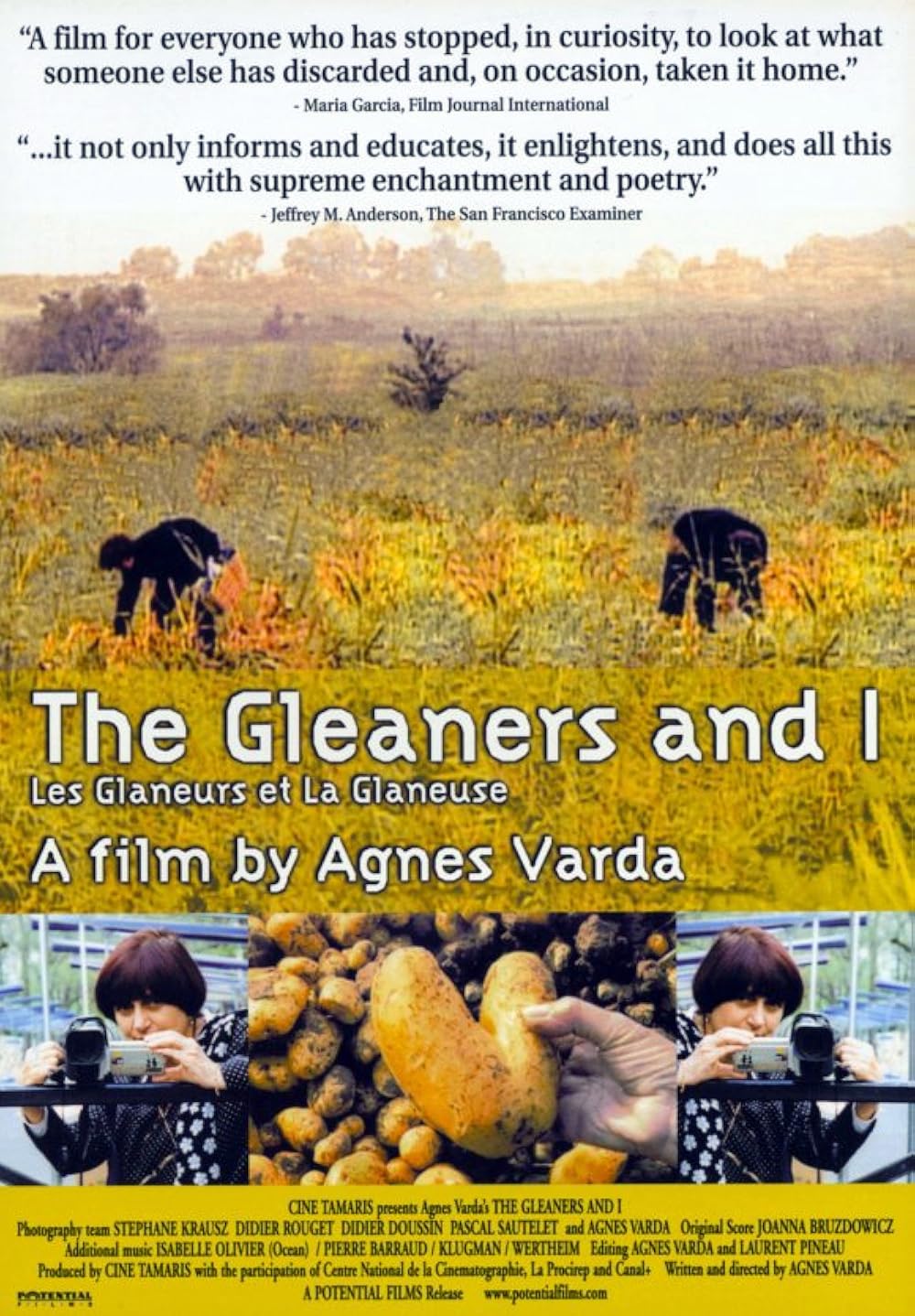
In our capitalist world that is quick to throw away and to squander, gleaning is a wonderfully practice of resistance. The potatoes that are left on the field by the automated harvest protest will not only not be sold, the people who pick them up for free won’t be buying any potatoes themselves either. The alternative of letting them rot in the field serves nobody, though I am afraid that in many other countries, gleaning would be considered theft. (I am not certain about the legal situation in Austria, but I’m pretty sure it’s not allowed.) It goes so counter the capitalist logic that supermarkets are shown to throw bleach over the food they throw away, so it actually becomes unconsumeable.
It’s not only that part that makes it anti-capitalist, though, it’s also the fact that it is a slow practice, one that demands that you not hurry from one place to another but walk with measured steps and observe what is around you to be able to discover what there is to glean. And, in many ways, it is a transformative practice when people find something that is considered trash and make something new from it, like art.
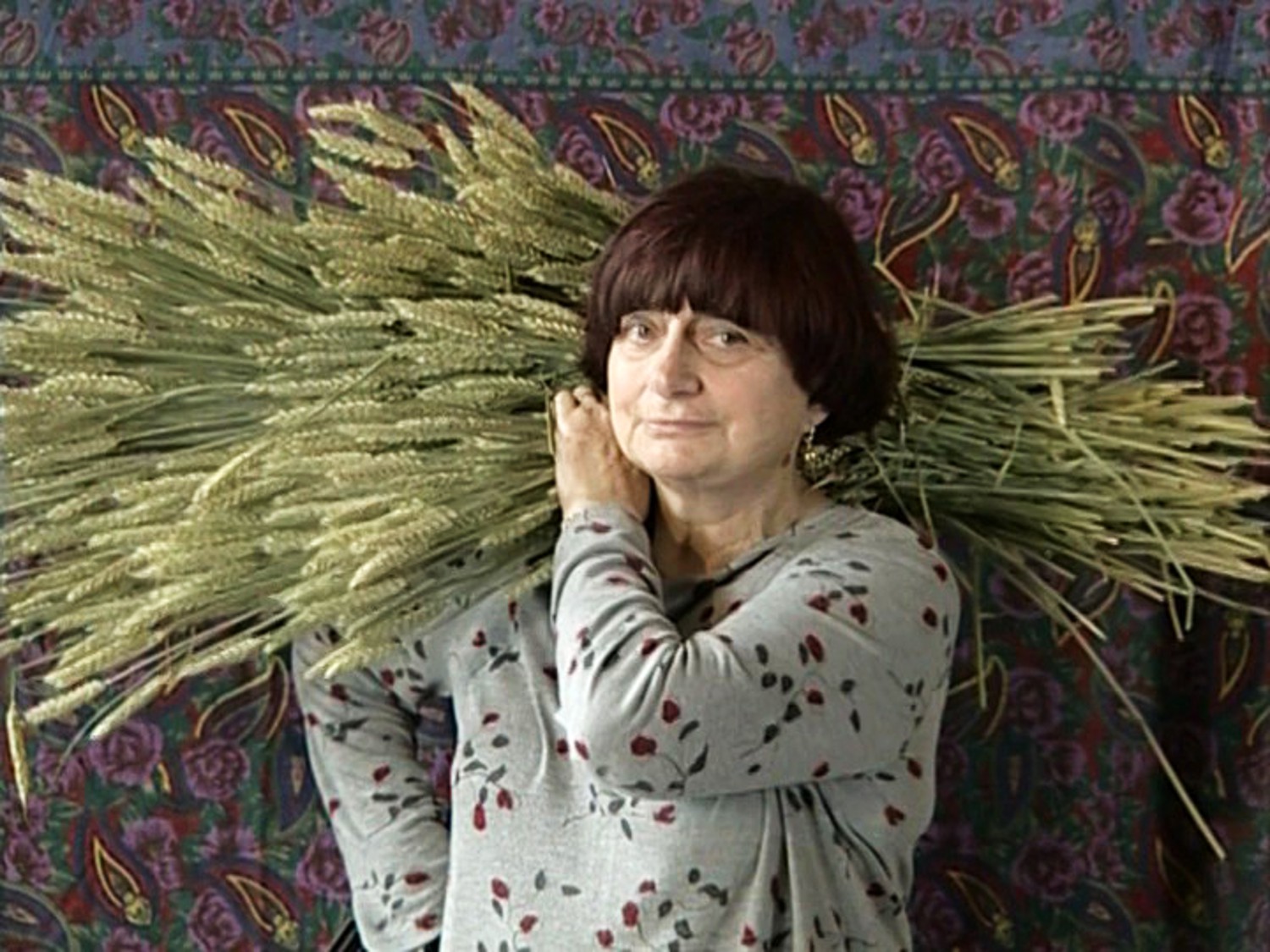
This literal way of gleaning is mirrored in Varda’s own approach to film-making, helped by a digital camera that allows her to be mobile and self-sufficient. She goes out, she walks, she sees what she can find with her camera, taking home the images that she then transforms by putting them in another context. In a way, that is something that I do with this blog as well, collecting – simply for my own pleasure, though readers are welcome – my experiences with art.
Varda’s comments are often very personal, and her warmth and sense of humor permeate the entire film, making it a deeply pleasurable and engaging experience to watch even as it prompts new directions of thinking and seeing the world, as only the best works of art can.

Summarizing: wonderful.
 kalafudra's Stuff