Fehér isten
Director: Kornél Mundruczó
Writer: Kornél Mundruczó, Viktória Petrányi, Kata Wéber
Cast: Zsófia Psotta, Sándor Zsótér, Szabolcs Thuróczy, Lili Monori, Lili Horvát, Károly Ascher
Seen on: 31.3.2025
Content Note: animal cruelty, animal death
Plot:
Lili (Zsófia Psotta) has to move in with her father Daniel (Sándor Zsótér), at least for a little while as her mother is traveling. Neither Lili, nor Daniel are all that happy with the situation, but at least Lili has her dog Hagen whom she loves fiercely. Trouble is that Hagen is a mixed breed and new legislation requires mixed-breed dogs be taxed steeply. Daniel doesn’t want Hagen, and he really doesn’t want to pay for Hagen. Despite Lili’s protestations, Daniel just kicks Hagen out of the car in the middle of nowhere. But Lili is desperate to find him again.
White God is a memorable, at times heartbreaking film that has some breathtaking scenes. It will draw dog lovers in, but it does give them a tough time in many scenes. Still, it is one of the more interesting films about human-dog relationships.
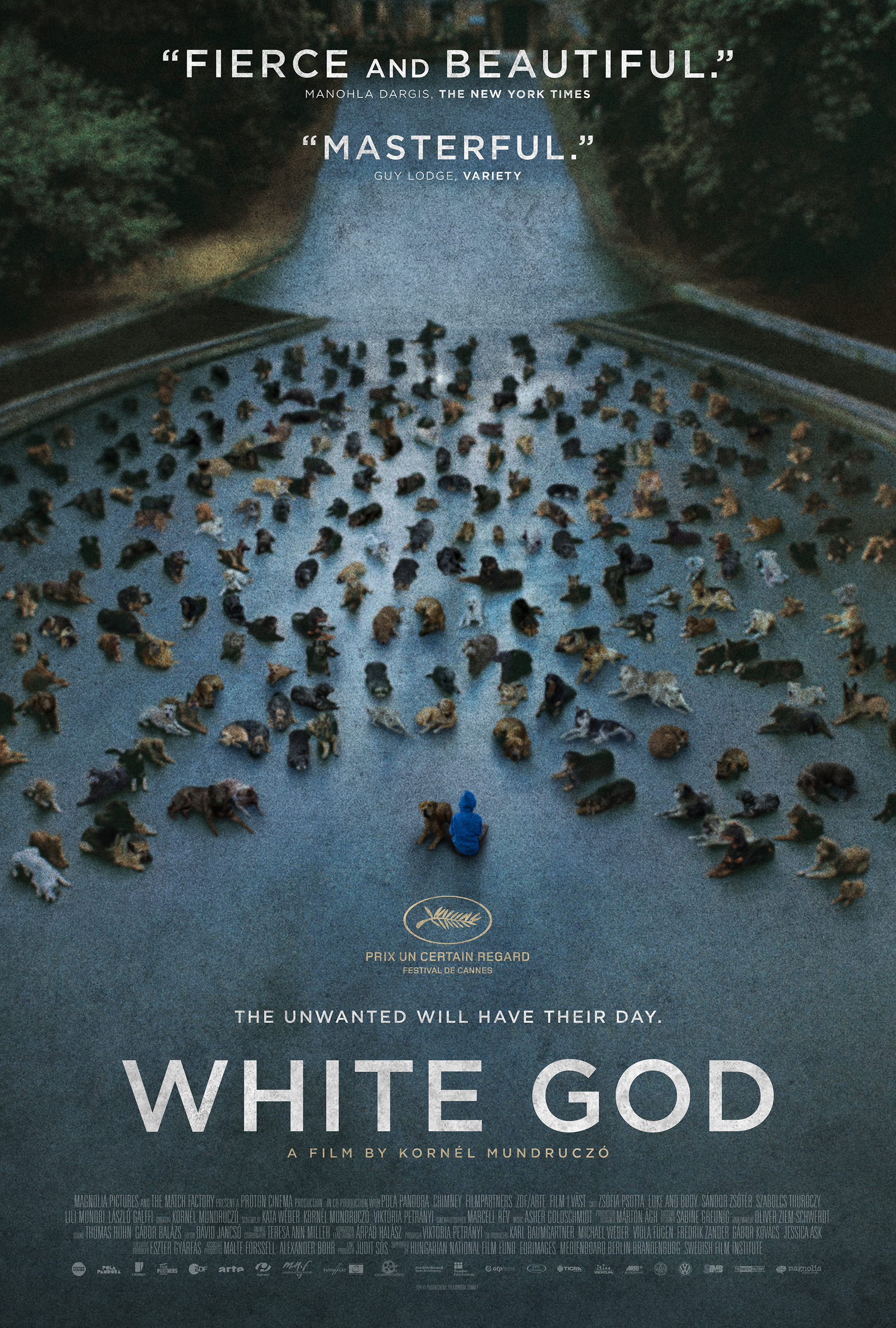
If nothing else, White God is an amazing feat of filmmaking by using only real, trained dogs. This includes a scene where what feels like a hundred dogs (maybe it was “only” 50, in any case, it was a lot) run rampant through the streets of an empty Budapest. But there are more amazing moments that speak to the patience and care of everybody behind the camera – and the dogs themselves.
White God brings more to the table, though, than excellent animal handling. It not only knows how to capture its subjects in beautiful images, but also to make both Hagen and Lili into equal protagonists. Psotta delivers an emotional performance that grounds the film even when it veers into the slightly fantastic. And Body – as Hagen – gets so much inner life through direction and camera work that the dog becomes a skilled actor and not just a good trick performer.
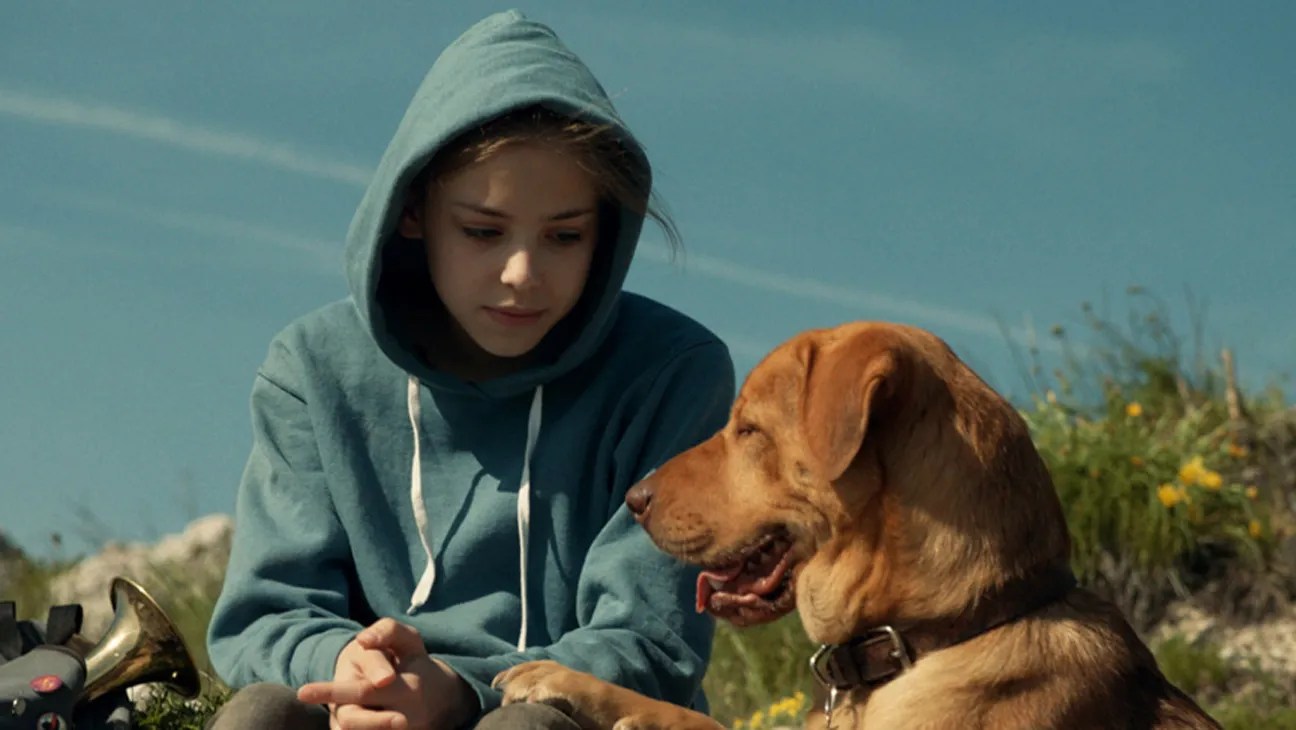
Often when we get stories about dogs, it’s about their infinite loyalty. White God takes a different road. That loyalty is conditional here. You treat a dog well, you will get a loyal companion. But if you don’t, a dog, too can grow hateful, can turn that bad treatment back on you. I think, that’s probably the more realistic take on dog behavior. It’s certainly more interesting.
Especially because it is easy to read White God as an allegory. The (“racially impure”) dogs that are treated differently, that are mistreated, abandoned and used can be seen as a stand-in for marginalized groups. And in that reading, the film seems to explain why the marginalized might grow angry and even violent, trying to free themselves from oppression. I, for one, am here for this dog revolution.
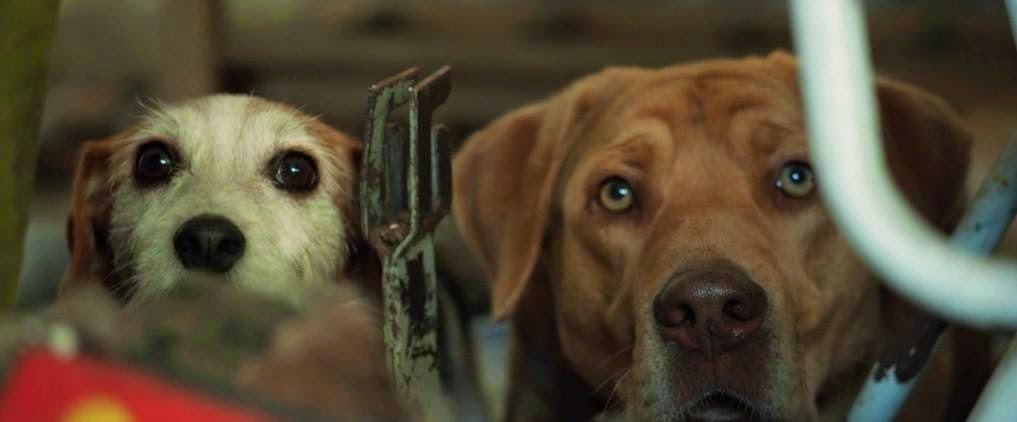
Summarizing: really interesting.
 kalafudra's Stuff