Schiller, Lotte und Line is a non-fiction book by Ursula Naumann.
Finished on: 4.4.2025
“Plot”:
When Friedrich Schiller meets the sisters Caroline von Wolzogen and Charlotte von Lengefeld, he feels drawn to them both – and vice versa. Through their correspondence, as well as the letters of and to others around them, Naumann tries to understand the relationship triangle between them.
Schiller, Lotte und Line is, apart from the gendered imbalance in the names used in the title of the book that is both grating and almost inescapable, a well-written book that could have profited from clearer structuring but makes up for it by the extensive research about the people involved.
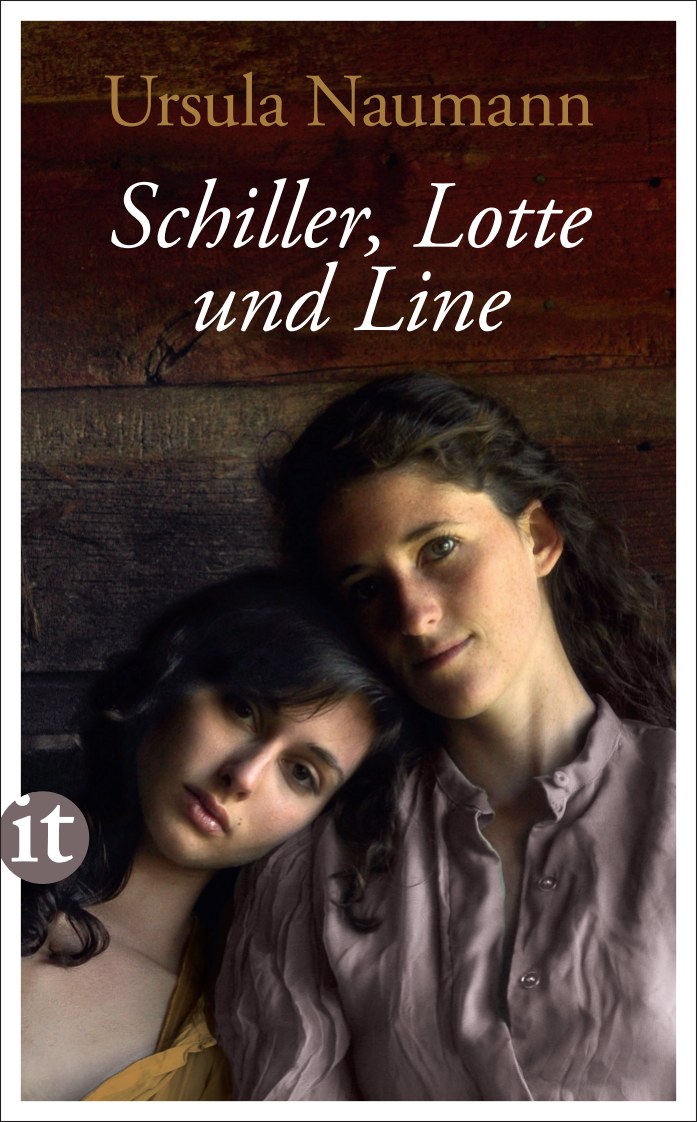
I think, I picked up this book from a bargain bin in a happy coincidence after having seen Die geliebten Schwestern, having loved the film. [I assume that the film’s writer had read the book before writing the script, a lot of it echoes through the film, if I remember correctly.] For some reason, I thought that this book was a novelization, but it is not. it’s not even really a journalistic or pop science book, though it has the look of one and a couple of touches here and there that make it reminiscent of that. It is a classic historical study of a literary scholar investigating the lives of its three subjects through historic sources.
At times, I have to admit that I was a little confused. I didn’t know all of the players involved, even if most of them are of historic importance and are probably well-known in scholarly circles. But I struggled a little to keep all of the names separate and to know who was who. Especially since Naumann – probably in an attempt to keep her text from becoming too dry – doesn’t tell the story in strict chronological order, meaning I also had to keep the timeline straight as well.
In that sense, the book was not as easy to follow as I would have expected. But Naumann succeeds in painting a picture of the three objects of her studies that is vivid and feels well-argued and accurate. She is not without criticism of them either, especially Schiller often gets a dose of her rather sardonic comments, for example about his views on marriage.
The relationship between the three is complicated. There is love between all three of them, but my speculation would be that, had Line not been married already, it would have been her and Schiller’s love story, with Lotte possibly a little heartbroken but growing out of her crush on Schiller. But with Line unavailable, Lotte and Schiller marrying seemed like the perfect solution to all three of them. Only that Lotte needed to get some distance from Line as a result.
In any case, the book shows that even 250 years ago, relationships were messy and didn’t always conform to standards of decency or monogamy. Naumann tries to get to the heart of the matter as much as you can without being able to talk to the people involved directly, and she does so without sensationalism and very little judgement, making this an interesting read.
Summarizing: well done.
 kalafudra's Stuff