Dong gong xi gong
Director: Yuan Zhang
Writer: Xiaobo Wang, Yuan Zhang
Cast: Si Han, Jun Hu, Jing Ye, Wei Zhao
Seen on: 29.11.2025
Content Note: (critical treatment of) homomisia, intimate partner violence
Plot:
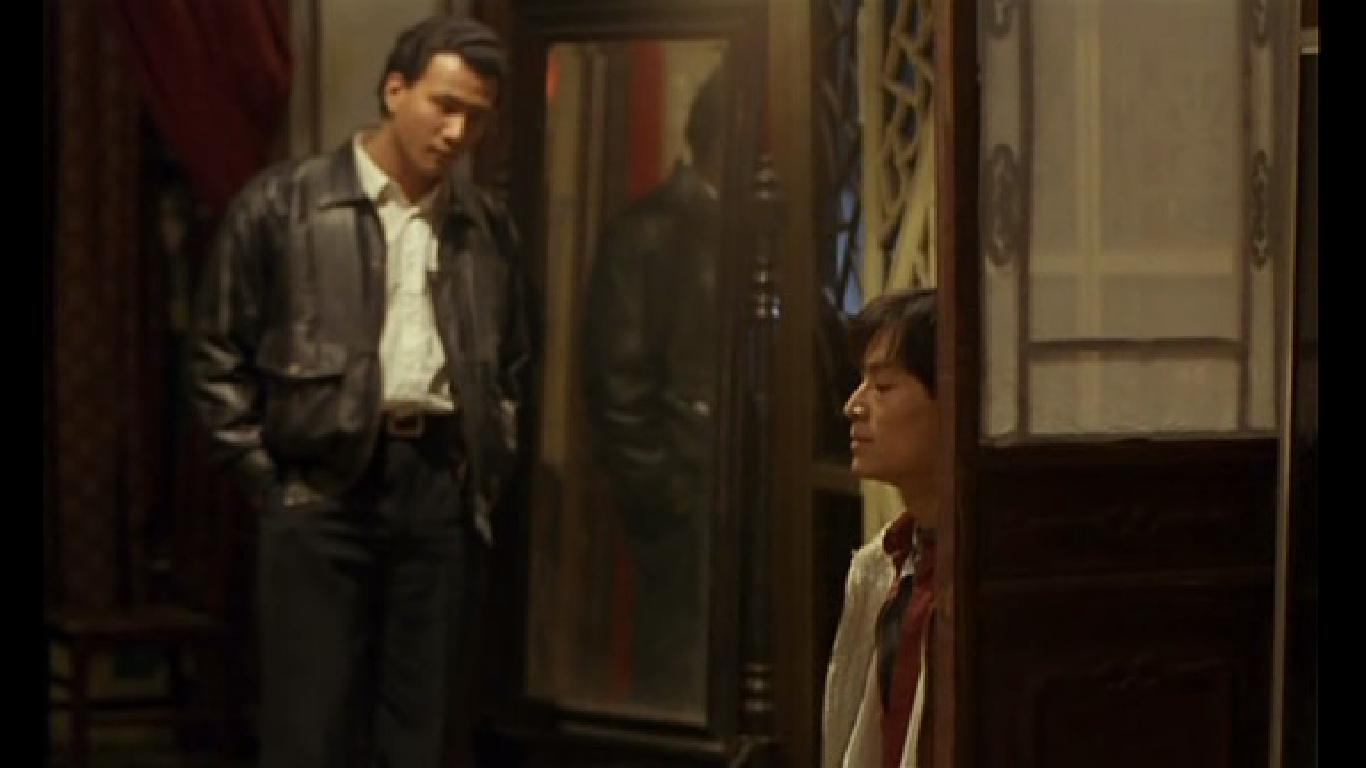
A Lan (Si Han) is gay and cruises in his local park. After a police control, he meets police officer Xiao Shi (Jun Hu) and feels an instant attraction. He escapes the first arrest, but then provokes a second. In a night of interrogation, Xiao Shi finds himself both repulsed by and attracted to A Lan, as the latter plays with fire.
East Palace, West Palace is one of the earliest queer Chinese films, and I’d say that from today’s perspective it is not exaclty great representation, but it’s also an interesting historical document that openly challenges the homomisia at the time.
I am not the world’s biggest fan of the „the biggest bullies of gay people are closeted gay people“ narrative. Not everybody who lashes out against queers is secretly queer themselves, and even if they are, that doesn’t excuse their bullying, tragic as it may be for them. But that’s exactly the kind of narrative we get here. At the same time, 30 years ago maybe this wasn’t as much of a trope yet.
Much in the same way, 30 years ago, we had to count ourselves lucky to get movies about queer people at all, especially ones that don’t ridicule or hate us. That the narratives we were allowed were primarily tragic is another kind of problem, and yet another thing that is more a point of contention from today’s perspective than of East Palace, West Palace itself.
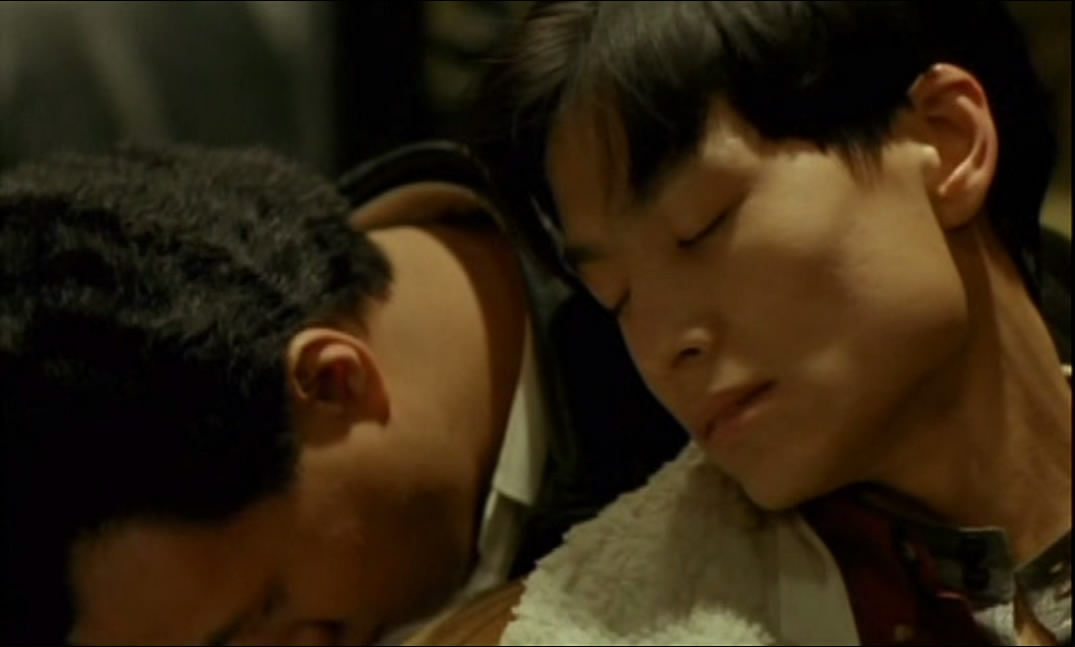
The film definitely highlights the problems that gay people faced in China. A Lan’s story is filled with bigger and smaller indignities, unfair and outright hateful acts. That the kind of love he knows and is attracted to is deeply tied up in pain comes as no surprise then. The way he pursues Xiao Shi speaks of a recklessness that is as compulsive as it is liberating. The film is very Freudian in that way. That Xiao Shi is drawn to this kind of freewheeling also isn’t surprising, nor is his horror about it.
East Palace, West Palace certainly packs a lot into its rather short runtime and small cast. And even if not everything quite lives up to today’s standards, the questions it asks about the messy intersection of gender and sexual orientation still seem relevant today, making it well worth your time.
Summarizing: still engaging and thought-provioking.
 kalafudra's Stuff