Kokomo City
Director: D. Smith
See on: 15.12.2025
Content Note: (mention of) sexualized violence, gendered violence, (critical treatment of) racism, sexism, transmisia
“Plot”:
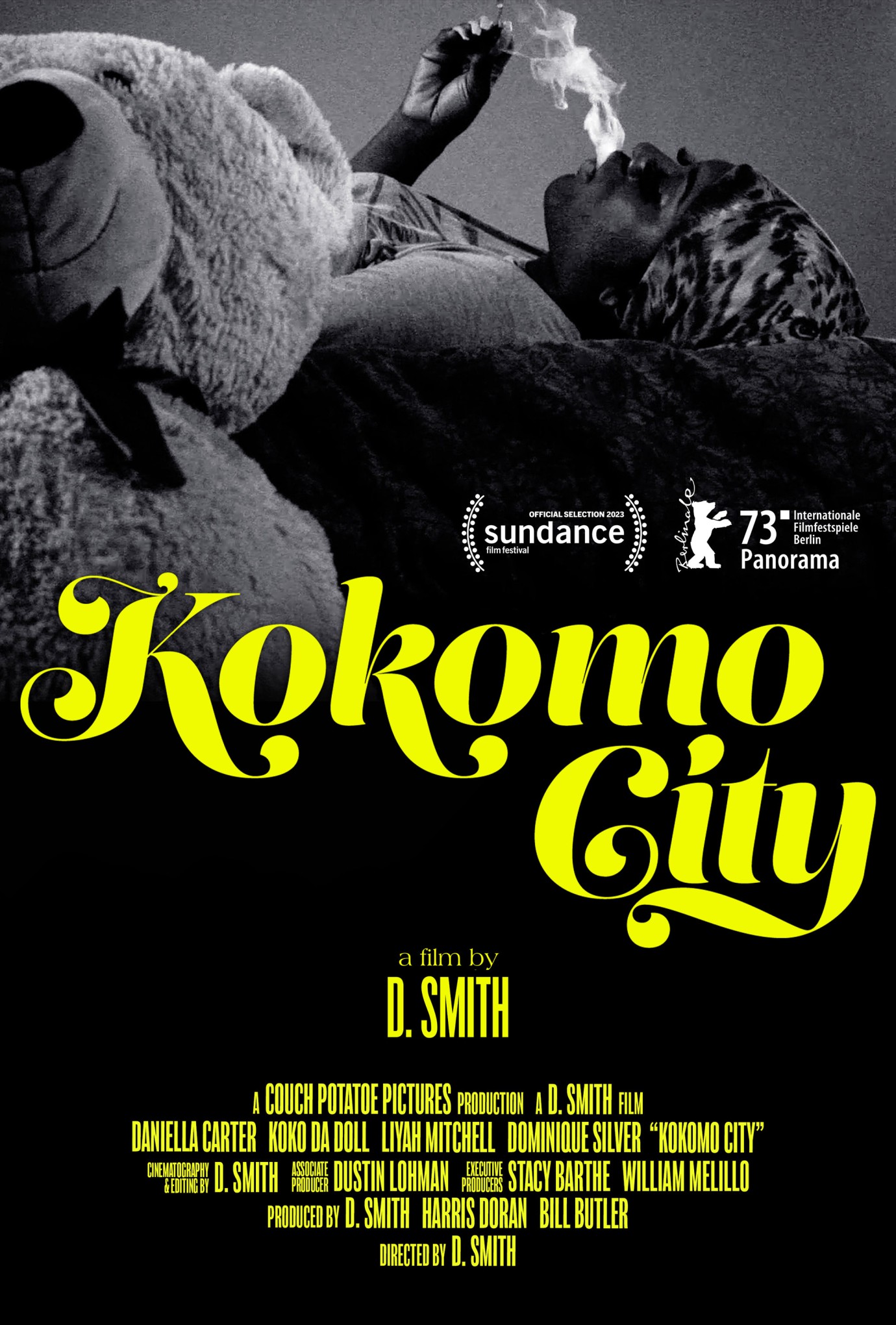
Kokomo City focuses on four Black, trans sex workers – Liyah Mitchell, Dominque Silver, Koko Da Doll, and Daniella Carter – and their experiences, asking questions about gender and racial identity, but mostly just sharing what life is like for them.
Kokomo City is an interesting documentary that gives us a deeply humanizing look at the realities of Black, trans sex workers and giving all four of its protagonists space to show their individual personalities. There is lots to learn here.
It took me a little bit until I got into the film, I have to say. It starts with a very vivid re-telling of an encounter with an armed client that is partly re-enacted as well. That scene definitely had me hooked, that was not it. It was more that the idiosnycratic narrative structure that became apparent afterwards took a bit to get used to for me. D. Smith didn’t go for clear transitions between topics, sometimes she doesn’t even have clear structures in the topics at all. The changes from one story to the next, from one protagonist to the next, from one mode of telling to the next are more associative than anything else.
Once I got the hang of that, I could go along with it, though. There are enough parallels and juxtapositions that the film is still coherent, that’s for sure. In any case, all four of the protagonists are vibrant personalities that are just interesting to listen to. They each get to tell their own stories, and Smith often sets them in scene in very personal environments – their homes, without make-up, without fancy clothes (though sometimes that, too) giving us a sense of intimacy that is precious. Some have obviously been reading sociological theories that relate to their lives, others fall back simply on their experience, but it is all worth hearing.
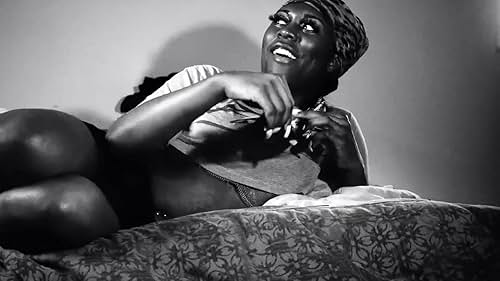
As with the story that is like a prologue for the film, a lot of their lives is tainted by violence and risk, eve if they can make it sound pretty funny at times. Koko Da Doll was actually murdered only a short while after the film was finished, as a short epigraph points out. After the film, that loss becomes almost personal to the viewers, and it underscores the fraught position of trans women, especially Black trans women, especially when they are sex workers.
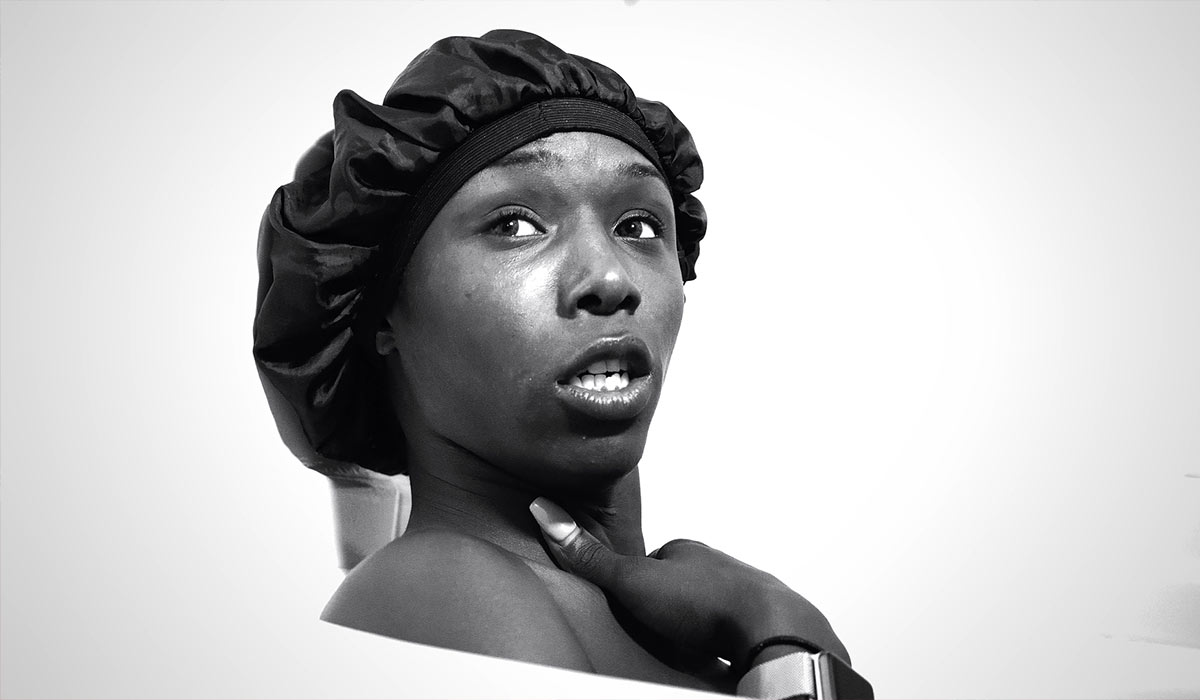
But what stands out more to me than this violent side, is the joy, the vibrant energy that the women portrayed here exude, and the warm gaze and light that D. Smith sheds on them. It makes the film something special for sure.
Summarizing: absolutely worth seeing.
 kalafudra's Stuff