La petite dernière
Director: Hafsia Herzi
Writer: Hafsia Herzi
Based on: Fatima Daas‘ autofictional novel The Last One
Cast: Nadia Melliti, Park Ji-min, Amina Ben Mohamed, Melissa Guers, Rita Benmannana, Razzak Ridha, Louis Memmi
Seen on: 7.2.2026
Content Note: (critical treatment of) queermisia
Plot:
Fatima (Nadia Melliti) is the youngest of three daughters in a Muslim family, a position that grants her a little more freedom than her sisters. She likes to hang out with boys and likes to play soccer, but she knows that she could never disclose that she is not just masculine, she is actually a lesbian. As she explores her sexual orientation, her life seems to split in two.
La petite dernière is an entertaining, touching film that feels firmly grounded in the lived reality of its characters. I had a really good time with it.
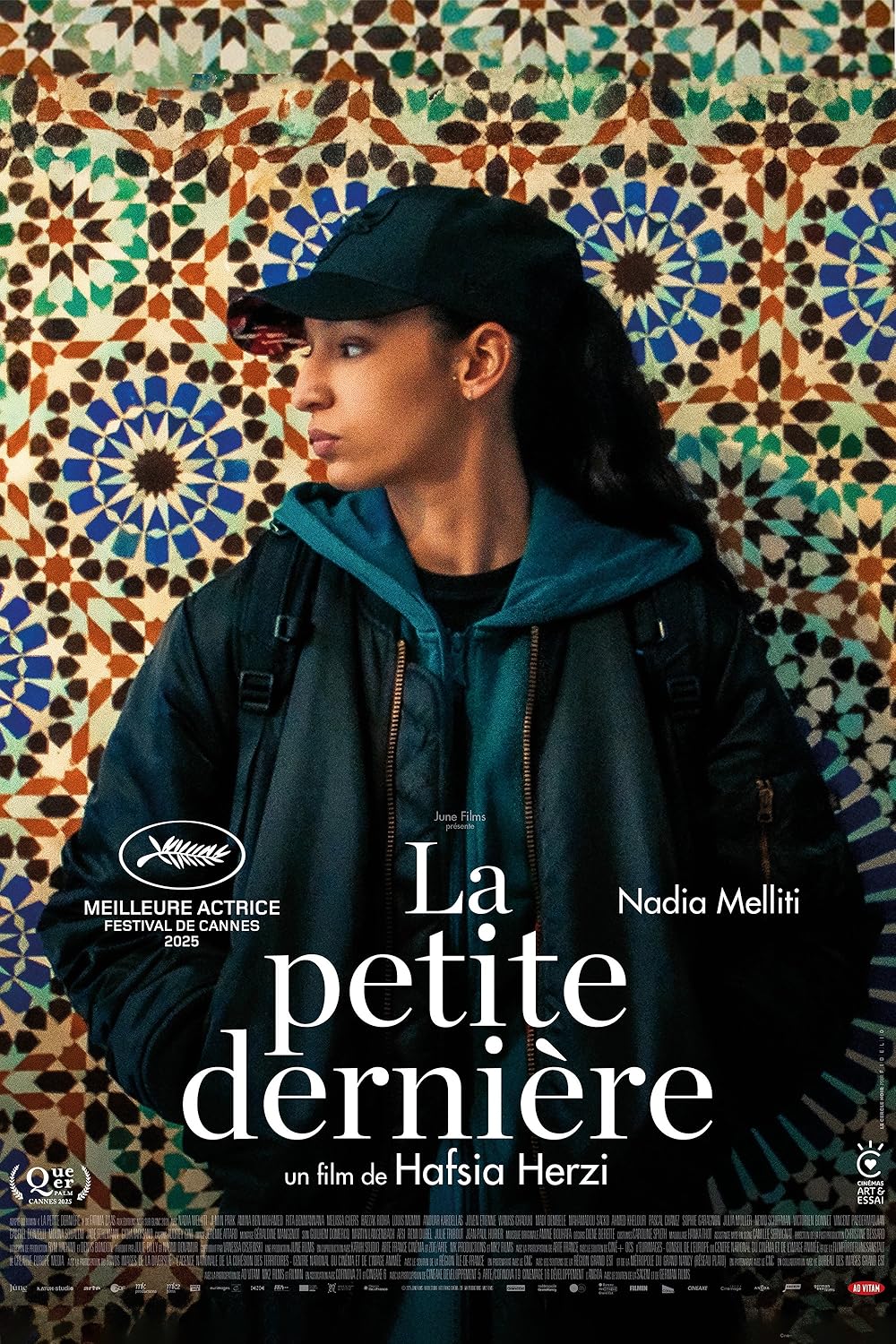
I haven’t read the novel this is based on, but I really want to now because it seems so different from the usual narratives around being in the closet, especially as a Muslim woman. Fatima is amazingly confident and has no problem with hitting the dating apps and setting up meetings with other women, despite the fact that nobody in her immediate circle knows about her queerness. (I am more than 20 years older and well out of the closet, and I wouldn’t have the guts, I think.) It’s impressive and goes counter the dominant narrative that being in the closet must mean that you’re shy or insecure or anything like that.
The movie also looks at the intersection of (Muslim) faith and queerness. Fatima is a believer, she prays, she would like the blessing of her church, but the advice she gets given is queermisic, sexist and generally hurtful, albeit well-meant. How she can possibly reconcile this is not answered, and it’s probably the kind of thing that every person has to answer for themselves anyway.
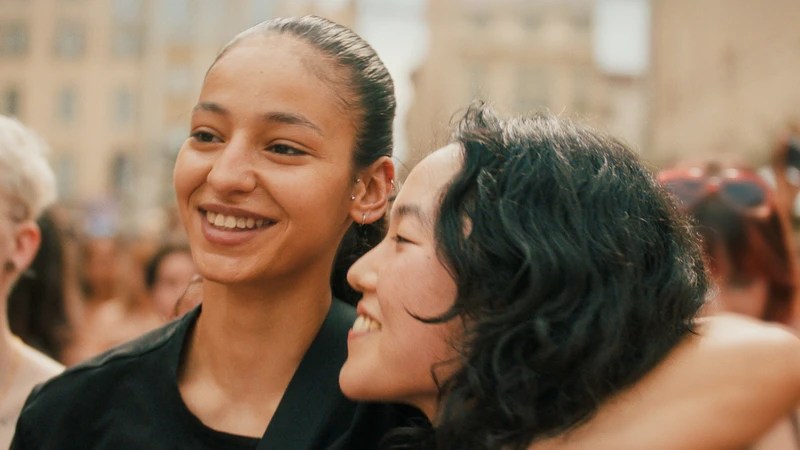
The film asks a lot of Melliti, but she does a great job, showcasing a kind of stubborn vulnerability in Fatima that is both touching and admirable. Fatima is so strong, you’d be forgiven for getting the impression that she is practically indestructible. But Melliti reminds us again and again that she is also young, insecure and often gets hurt. And that she might be just as lost in the bigger world that university life offers her as in the stricter confines of her upbringing.
Herzi finds a perfect moment to end the film, one full of sweet promise, but no big resolution that would have felt too cinematic for the realistic tone the film has otherwise. At the same time, this lack of resolution made me really curious about more. Should they revisit Fatima’s story in 10 years, I’ll watch it for sure to see where she gets to.
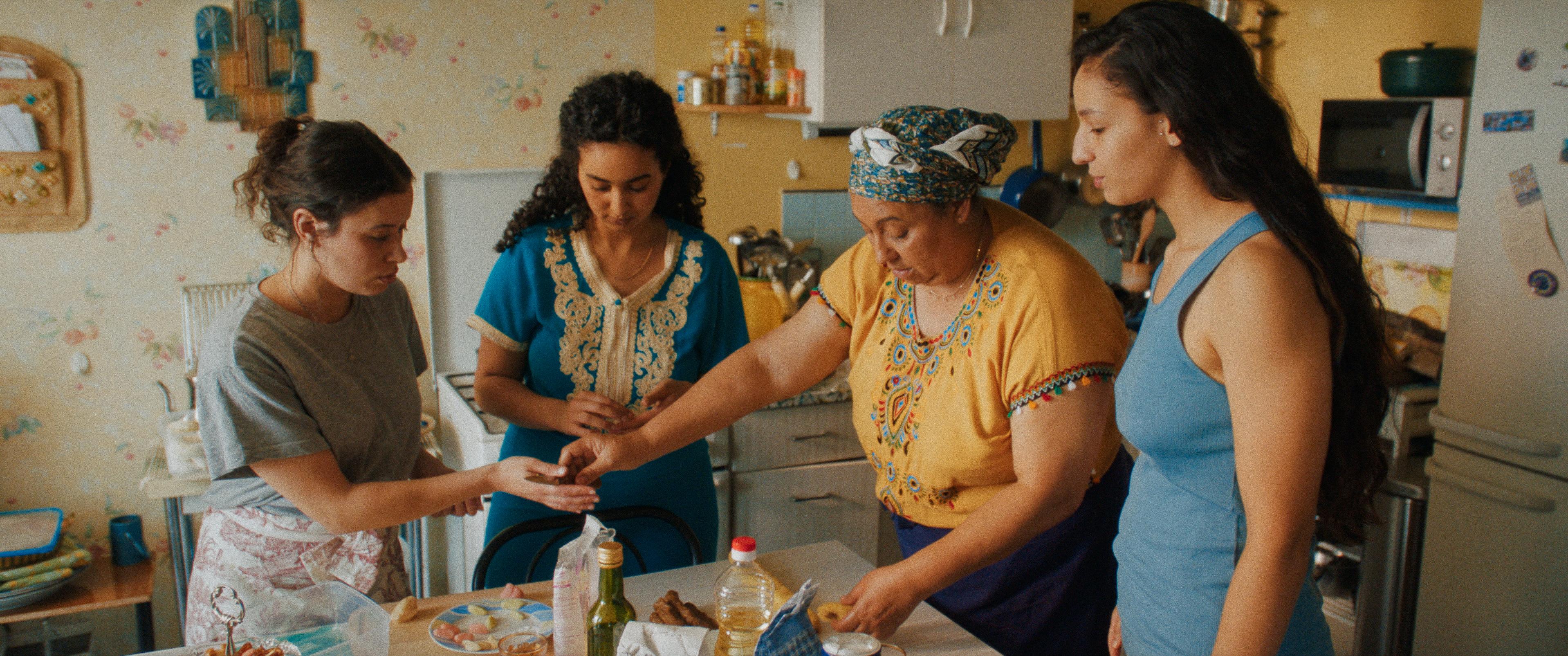
Summarizing: really good.
 kalafudra's Stuff