“Wuthering Heights“
Director: Emerald Fennell
Writer: Emerald Fennell
Based on: Emily Brontë’s novel
Cast: Margot Robbie, Jacob Elordi, Hong Chau, Shazad Latif, Alison Oliver, Martin Clunes, Ewan Mitchell, Amy Morgan, Jessica Knappett, Charlotte Mellington, Owen Cooper, Vy Nguyen
Seen on: 6.3.2026
Content Note: dubious consent, racism
Plot:
When Mr Earnshaw (Martin Clunes) brings home an orphaned boy who he calls Heathcliff (Owen Cooper), his daughter Catherine (Charlotte Mellington) is at first taken aback. But then the two become inseperable. When they grow up (Jacob Elordi, Margot Robbie), their love for each other is on the brink of becoming more, but it seems impossible that it should be formally acknowledged and things turn bitter between them.
I was in two minds whether to see this version of “Wuthering Heights”, for two reasons. One, I hated the book. Two, everything I had heard about it before made it sound worse than the book. But then a couple of friends and I decided to make it an alcohol-fueled date, and with copious amounts of alcohol, it was at least entertaining to watch, although it didn’t make the film any better.
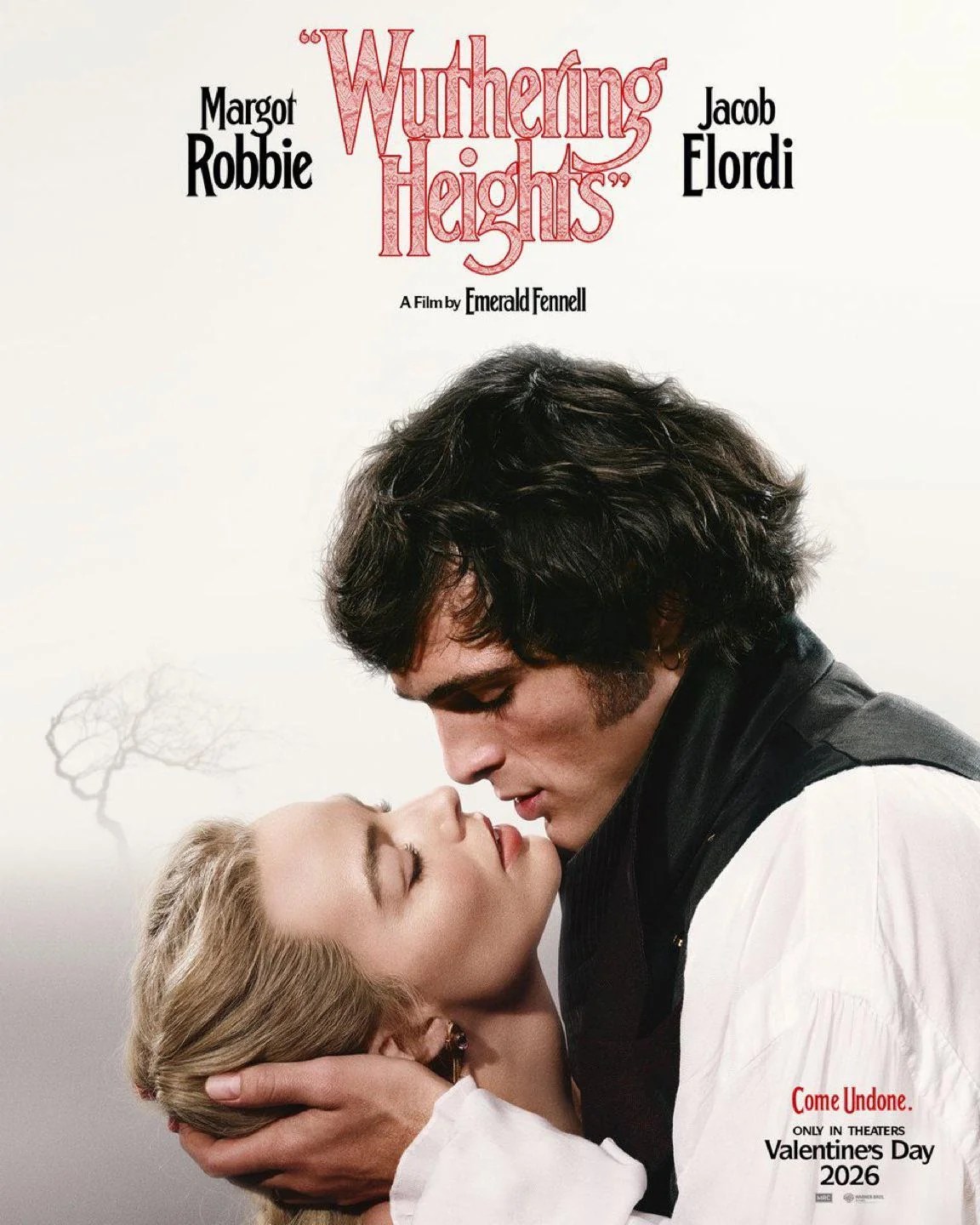
Look, with Fennell’s track record, I didn’t expect too much political awareness, given that both her feminist film and her class-conscious film were problematic in their analyses. And I will give her credit for openly stating that this film is not really an adaptation of the book, but an adaptation of the interpretation she came to when she was 14 years old. She probably knows by now that Heathcliff is absolutely not white in the book, and that the book really isn’t a romance, but she went with it anyway. This does not excuse her racism, especially since she somehow contrived to make Nelly (Hong Chau) both a person of color and a villain in the film, but at least there is an acknowledgement.
There is no acknowledgement whatsoever of how problematic Heathcliff’s treatment of Isabella (Alison Oliver) is, though. In fact, in a painful scene the notion of consent is abused and distorted to make it look like Isabella went into the relationship with Heathcliff knowing exactly what she was in for and choosing it. But it cannot be consensual when sheltered Isabella hasn’t got the faintest clue what she is actually agreeing to – and handing her the responsibility in that way is even worse. (I drank so much during that scene.)
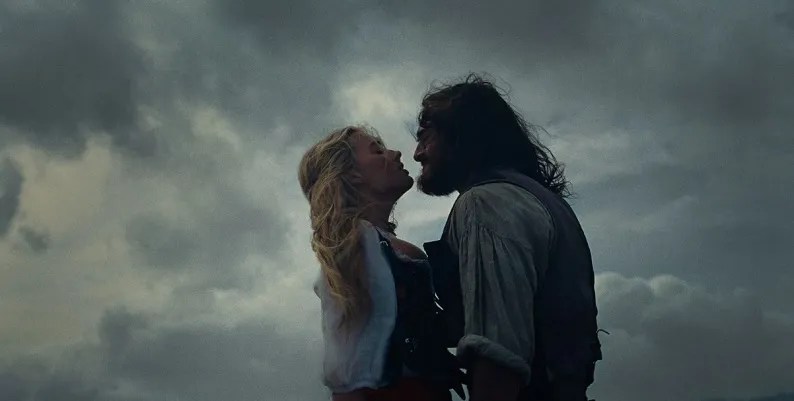
Margot Robbie was awesome, though. Not only does she manage to wrangle honest emotionality from even the tritest of dialogue moments, on a meta level I also really enjoyed that she got cast as being the same age as Jacob Elordi despite being almost 10 years older – usually we only get the men being inexplicably older (or the women inexplicably younger), so that was nice. Alison Oliver was also quite a revelation, vulnerable and really very funny.
And as much as I often suffered in the film, I will admit that it is a film that you can discuss at length. There are many details that are completely out there (the walls the color of Catherine’s skin, the fireplace, the house, the dresses, the sudden appearance of cellophane, …), but make for striking images, and the entire sexual, let‘s say, theory of the movie is provocative enough to warrant some engagement. But a little more thought and care would have probably given me the opportunity to discuss the film without ranting about it, and to watch it without having to drink.
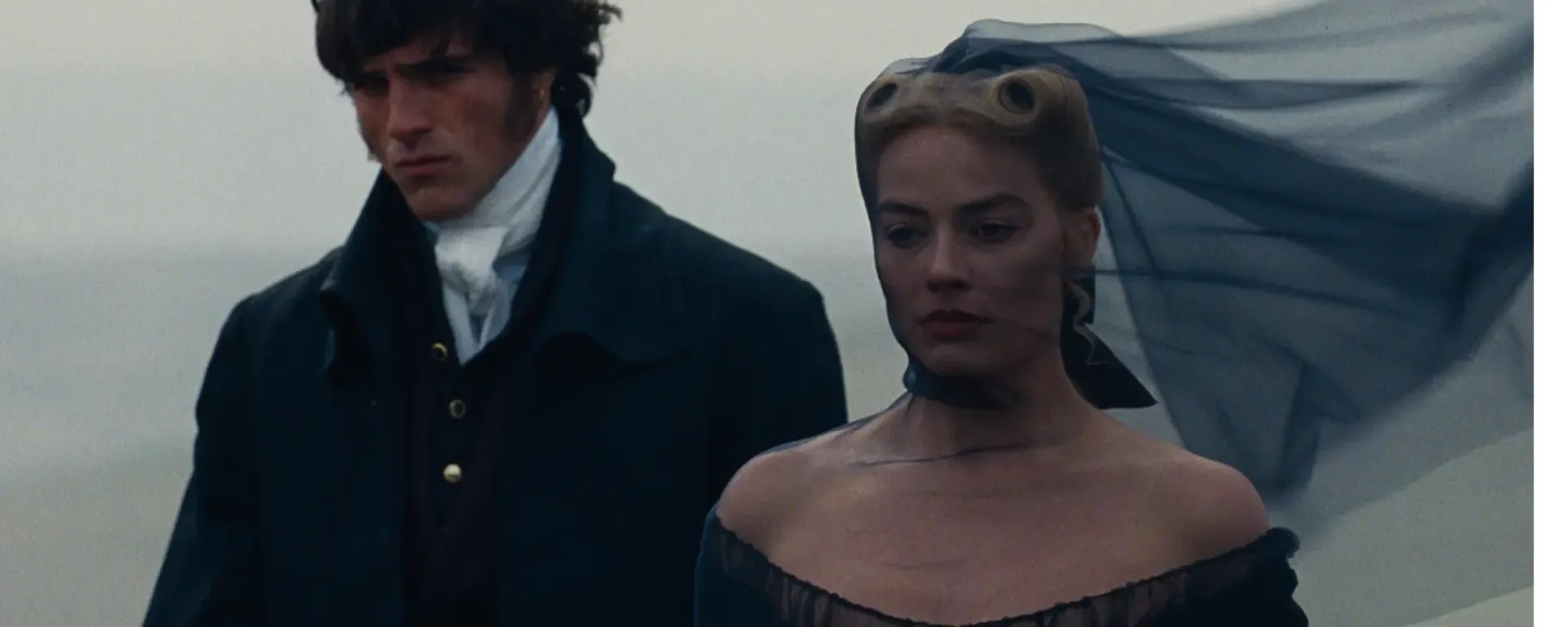
Summarizing: it’s certainly something, but I’m not sure it’s something good.
 kalafudra's Stuff