Ensemble, c’est tout
Director: Claude Berri
Writer: Claude Berri
Based on: Anna Gavalda‘s novel
Cast: Audrey Tautou, Guillaume Canet, Laurent Stocker, Françoise Bertin
Seen on: 24.4.2023
Content Note: ableism, eating disorder
Plot:
Camille (Audrey Tautou) works as a cleaner and just barely scrapes by. When she spontaneously invites another renter in her building, aristocratic nerd Philibert (Laurent Stocker), to her tiny, unheated apartment for dinner, a friendship starts to develop between them, with Philibert hoping it might turn romantic. But then Camille becomes very ill and has no chance to recover in her cold apartment. So Philibert decides to offer her a room in his apartment, just like he did with his friend Franck (Guillaume Canet), a volatile cook who divides his time between work, sex with random women and his grandmother Paulette (Françoise Bertin). The new living arrangement isn’t easy for anybody though.
I don’t actually know how it came that I never saw this film before – it seemed to be everywhere for a while. I’m also pretty sure that I have the novel in my bookshelf, probably borrowed from my sister or my mom for what is dangerously close to decades, without ever having read it. Well, I finally closed that cinematic gap and now I can confidently say that the film is okay.
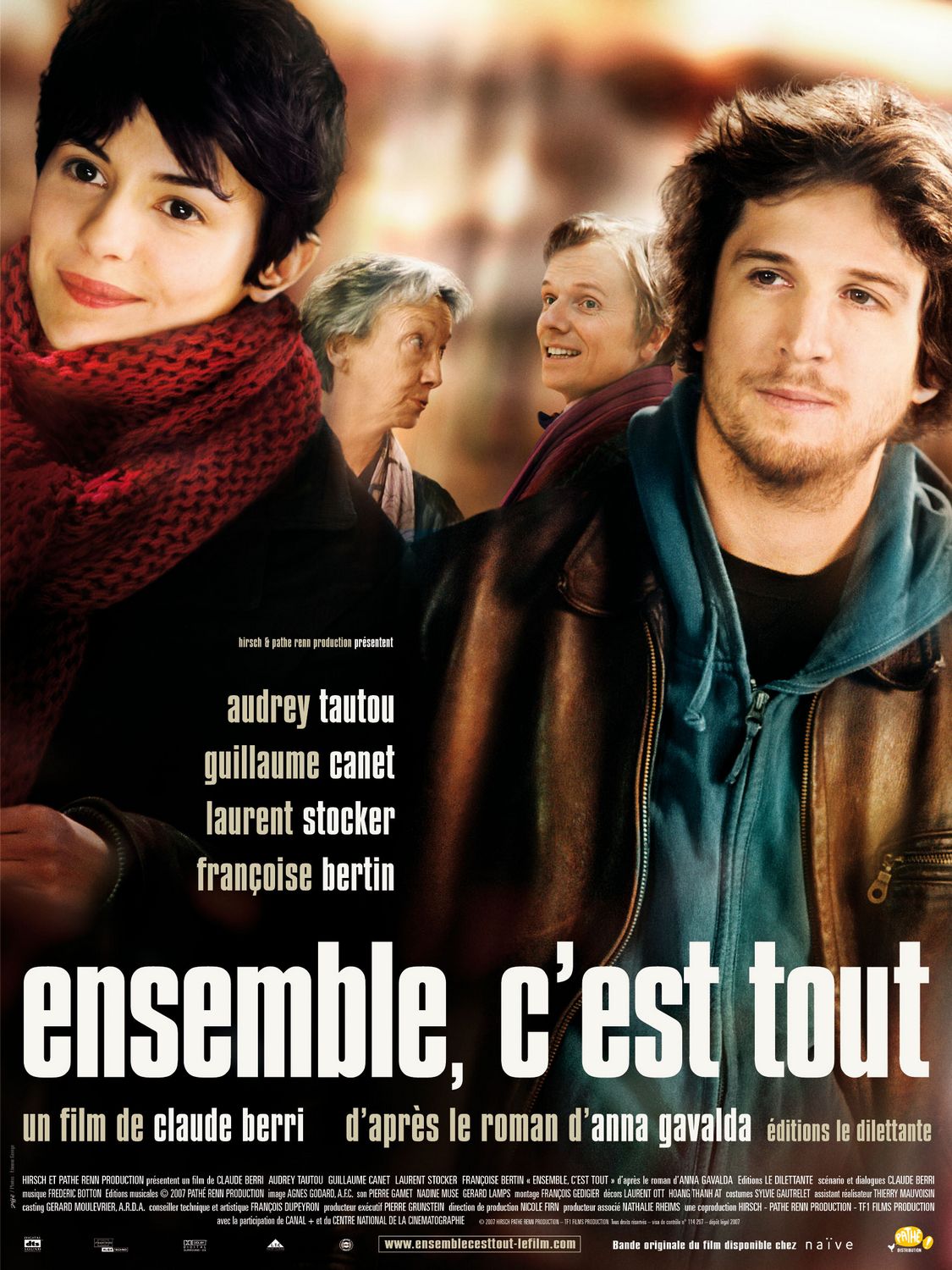
Ensemble, c’est tout is the kind of feel-good film that tries to be poignant, but without giving up its light-heartedness. The result is often rather light, period. The relationships and characters are quickly established and set on their course, and then are never expanded upon. That means, they never really get any depth. We never learn anything about them that we don’t see coming. And the story never develops in a way that you wouldn’t expect.
That includes the romantic tension in the film. Whereas in the beginning it might be suggested that Philibert and Camille are supposed to end up together, this will only seem plausible to the least RomCom experienced among us – and not just because Guillaume Canet is just too damn pretty. And when even the film is tired of pretending otherwise, Philibert has another woman thrust at him unceremoniously and is subsequently pretty much forgotten by the film. As is Camille’s eating disorder that just disappears when the film doesn’t need it anymore.
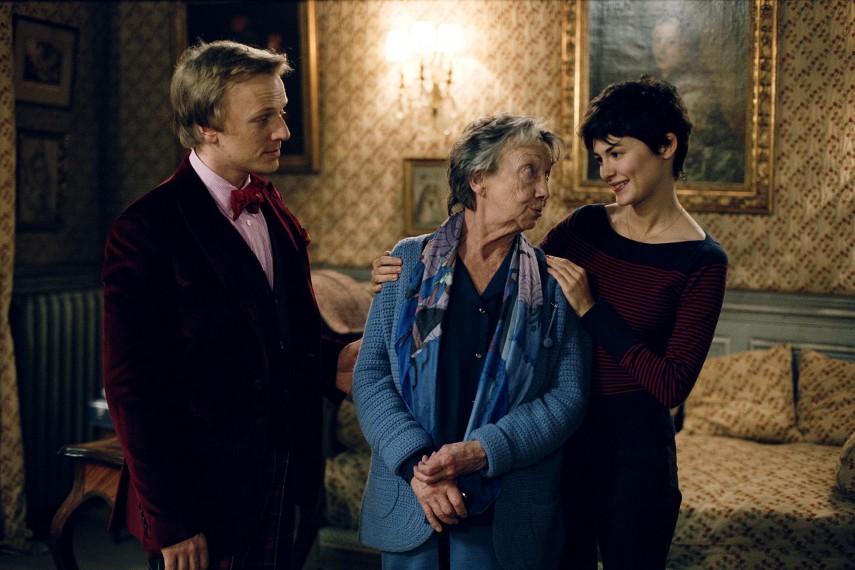
That the film still has a certain charm is mostly thanks to Tautou who is simply a charm machine, Canet’s good looks and Bertin’s Paulette and her genuinely touching storyline. (On a sidenote: Berri was obviously not responsible for pets himself when writing the film as the fate of Paulette’s cats is distractingly unclear for the longest time.) Stocker’s Philibert doesn’t fare as well, but that’s not really Stocker’s fault. Rather it’s due to the writing that seems to suggest neurodiversity for Philibert, and definitely disability with his stutter, making Stocker not only crip up for the role, but also concludes things with a cure for the stutter.
Admittedly, that sudden cure goes well with the happy end that is so total and overwhelming, there is no place for actual character growth. But it matters little, that’s not what the film is about, and if you don’t expect more from it than having a nice evening with very little thought, you’ll probably be rather happy with it.

Summarizing: it’s fine if you don’t expect too much.
 kalafudra's Stuff