Les cinq diables
Director: Léa Mysius
Writer: Paul Guilhaume, Léa Mysius
Cast: Adèle Exarchopoulos, Swala Emati, Sally Dramé, Moustapha Mbengue, Patrick Bouchitey, Daphne Patakia, Hugo Dillon
Seen on: 26.5.2023
Content Note: (critical treatment of) racism, homomisia
Plot:
Vicky (Sally Dramé) lives with her mother Joanne (Adèle Exarchopoulos) and her father Jimmy (Moustapha Mbengue). Their lives are calm with Joanne running the local swimming pool and Vicky exploring the world through an astounding ability to smell things. But their routine gets disrupted when Jimmy’s sister Julia (Swala Emati), freshly released from prison, comes to stay with them. Vicky sees Julia and the tension it brings to her parents’ relationship with distrust. When she finds a special oil in Julia’s things, she takes it and realizes that smelling it lets her uncover Joanne’s and Julia’s past.
The Five Devils is not only a interesting, slightly surreal queer love story, it’s also an intriguing sophomore feature with great performances and only a few flaws. While it’s not perfect, it shows Mysius’ growth since Ava and her cinematic promise.
The Five Devils takes some fantasy beats without outright committing to being a fantasy film – Vicky’s exploration of her mother’s past is made literal but meant figuratively (It reminded me of Petite maman in that way). That means that the film is not really interested in the mechanics of time travel (as would be standard for the genre), nor is it very creative with some of the plot points, making it slightly predictable. But I can’t say that I minded this much as the film is evocative and atmospheric enough that you can just accept the magic of things without getting bogged down in technicalities.
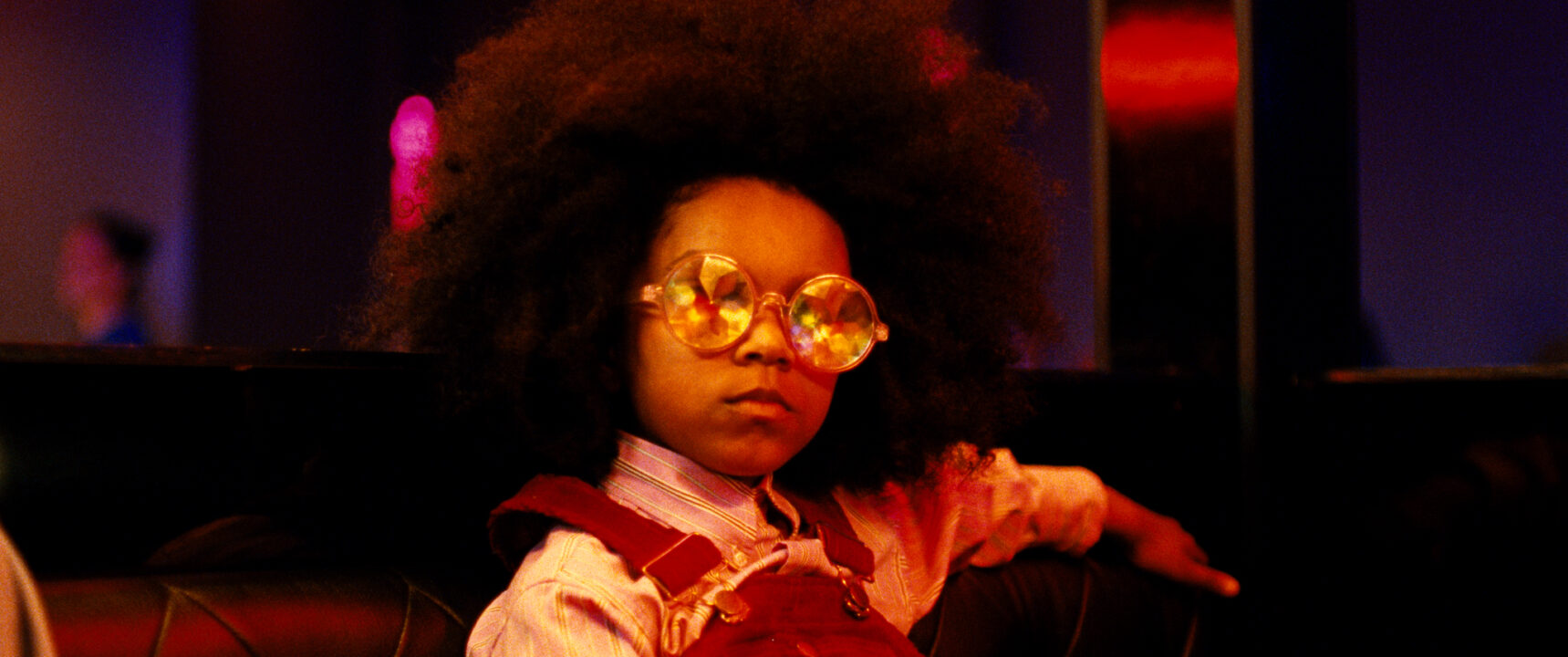
That the film is told through Vicky’s eyes works for the most part. She quickly catches on to the fact that Julia is a threat to her parents’ relationship, though she doesn’t understand how that is. The audience understands much earlier, allowing us to both watch Vicky at a bit of a distance, and to root for Joanne and Julia to figure things out. Dramé gives a really strong performance for her young age, making this narrative concept really work.
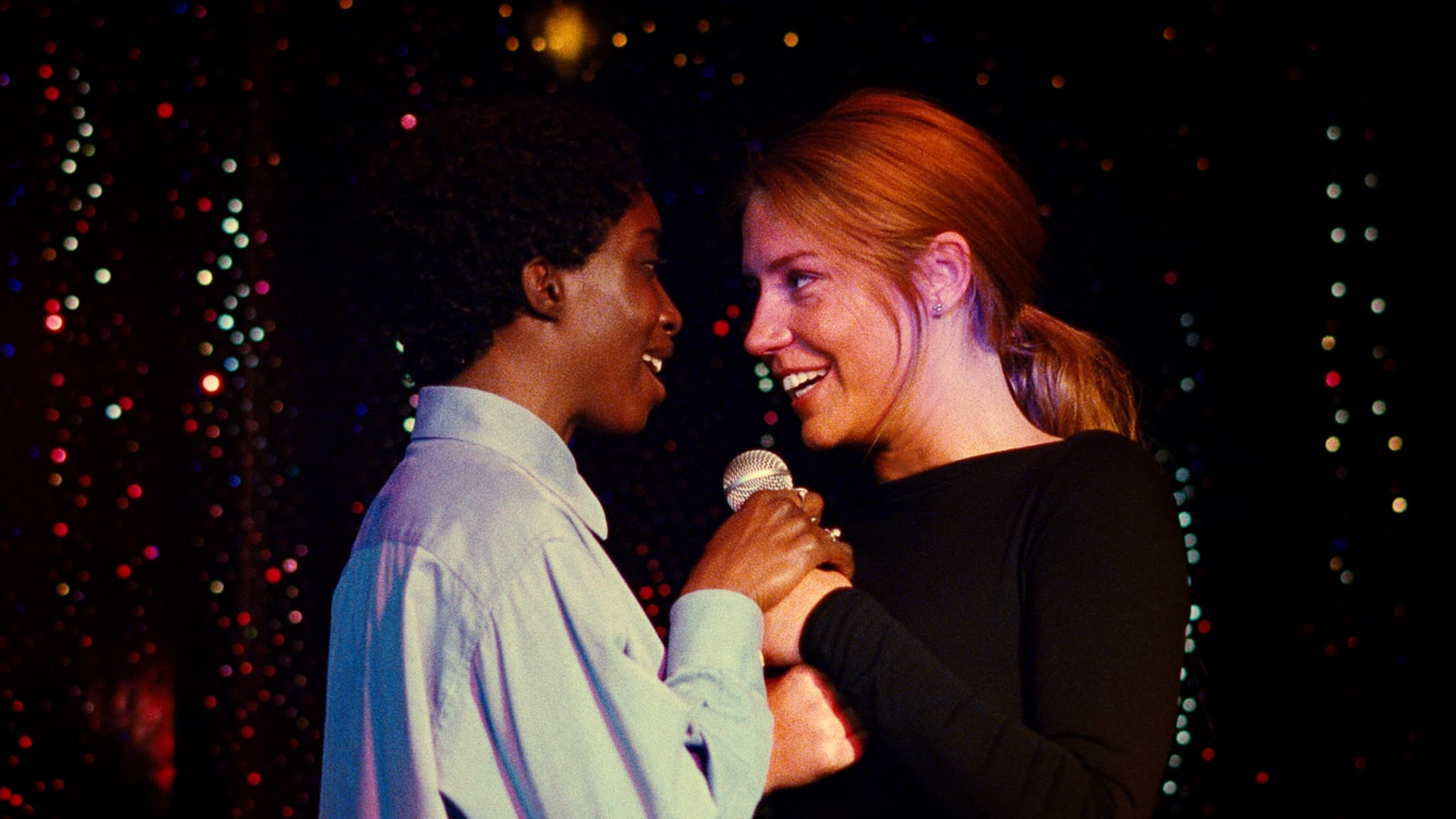
Exarchopoulos and Emati center the story, though, and give us the heart of the film. Next to them, Mbengue doesn’t really stand a chance, although that is not because of Mbengue, but rather because the script doesn’t have anything for him to do or say, not really. Jimmy is pretty much filler material, and I feel like that’s a missed chance, both for the film and the character.
I really liked how the film includes racism and homomisia in the narrative – very matter-of-factly, without forgetting that the important thing here are the people hurt by it. That makes the film so much more emotional and engaging than it would have been otherwise. And that is usually a very good thing.
Summarizing: beautiful.
 kalafudra's Stuff