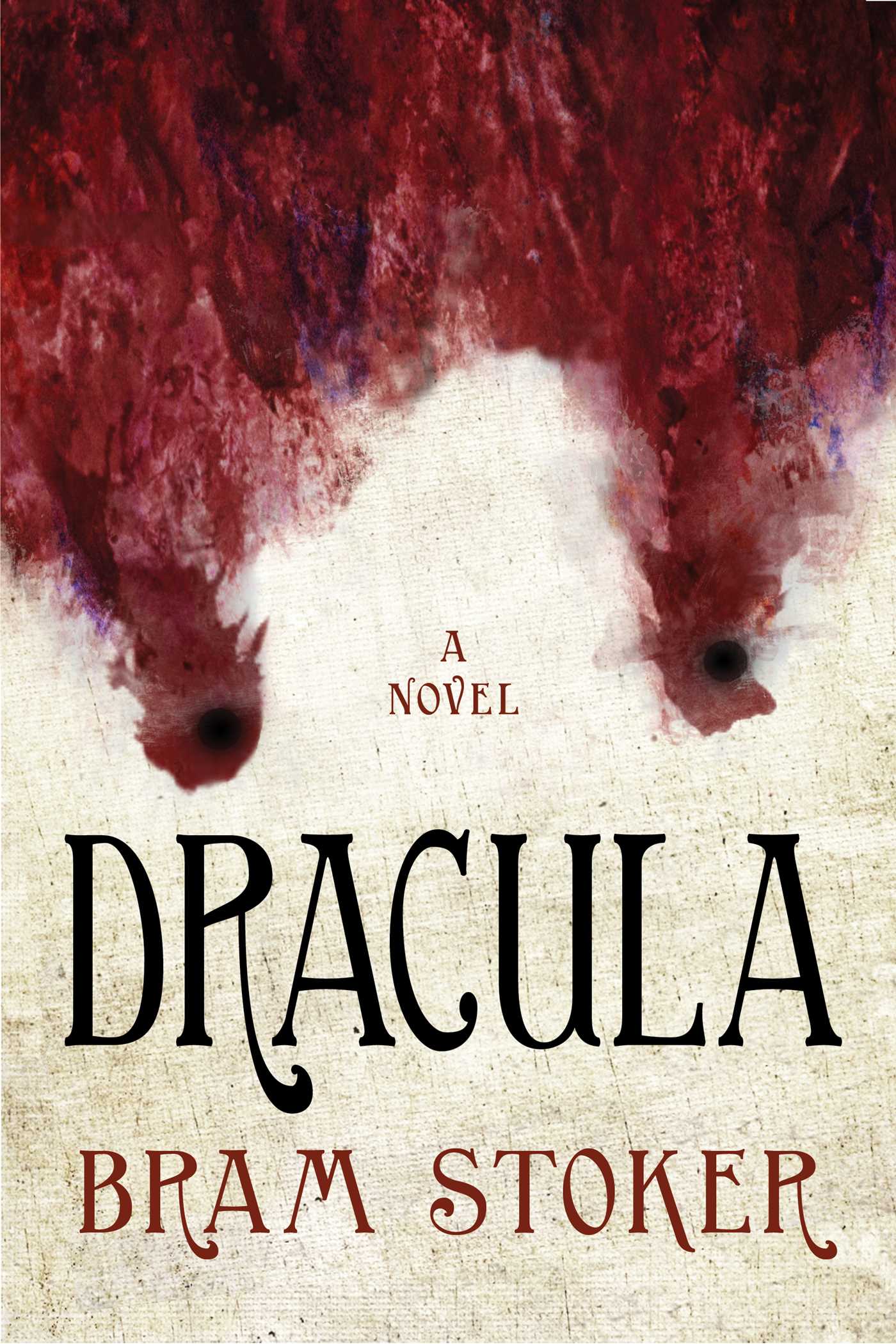
Dracula is an epistolary novel by Bram Stoker.
Finished on: 26.8.2023
Plot:
Jonathan Harker is a young lawyer, sent to Transylvania to help local nobleman Count Dracula with some business dealings in the United Kingdom. But strange things are happening at Dracula’s castle and Jonathan finds himself trapped there, unable to prevent the Count’s departure to England.
Given how much I like vampire stories, it is almost shameful to admit that I never read Dracula until now. I thought that it would be rather stuffy, and that I knew it too well from its many adaptations, and have therefore avoided it a little. But I was pleasantly surprised – Dracula is a breezy read that is actually campy.
[SPOILERS after this point]
My biggest point of reference and probably the most formative Dracula story for me is Coppola’s Dracula: a visual and generally sensory feast, a gorgeous cast, Gary Oldman’s sex appeal that came out of nowhere in the middle of the film – the film is just one of my all-time favorites. And it is extremely faithful to the novel – until it suddenly isn’t anymore. I kept waiting for the turn to the sympathetic with Dracula and was a bit surprised to realize that it wouldn’t come in the novel: Dracula here is a monster without a tragic backstory. There is no mythical connection between him and Mina, no, he goes after her to get at Jonathan. I honestly don’t know which version I prefer – they both are good and bad in their own ways.
But speaking of Mina, damn, she was AWESOME in the novel. So much more so than in the film. Mina is the best of them, does her thing and generally shows everybody how it is done. I mean, Stoker is no feminist and that is rather notable in many ways when it comes to the handling of her story arc, but even he can’t hide the sheer force of Mina’s competence. And Lucy, too, was done dirty by Coppola’s movie – she is such a great character in the book, I was actually really upset about her demise.
Lucy’s three suitors are where a lot of the campiness of the novel comes in, I think. Never has there been a more amicably resolved “three friends in love with the same woman” situation – and that feels entirely queer. Plus, it’s like the beginning of a joke: A doctor, a cowboy and a nobleman enter a bar… But of course, most of the campiness and queerness lies with Dracula himself and has been extensively written about. I am sure, Stoker would be appalled by this but that’s part of the beauty of it.
In short, I really loved reading Dracula and I thank all the memes about Jonathan’s love for Paprika that was the final nudge I needed to take the book of my shelf where it has been sitting for probably over 20 years.
Summarizing: Classic for a reason.
 kalafudra's Stuff
[…] of Ice and Salt (original: La Ruta del Hielo y la Sal) is a novella by José Luis Zárate, based on Bram Stoker’s Dracula. I read the English translation by David Bowles. Finished on: […]
[…] F.W. MurnauWriter: Henrik GaleenBased on: Bram Stoker’s Dracula (loosely)Cast: Max Schreck, Gustav von Wangenheim, Greta Schröder, Georg H. Schnell, Ruth […]