Die bitteren Tränen der Petra von Kant
Director: Rainer Werner Fassbinder
Writer: Rainer Werner Fassbinder
Based on: his own play
Cast: Margit Carstensen, Hanna Schygulla, Katrin Schaake, Eva Mattes, Gisela Fackeldey, Irm Hermann
Seen on: 31.1.2025
Plot:
Petra von Kant (Margit Carstensen) is a designer who lives with her assistant turned servant Marlene (Irm Hermann). She has been having a bit of a crisis recently. When her friend Sidonie von Grasenabb (Katrin Schaake) comes to visit, she introduces Petra to a young hopeful model, Karin Thimm (Hanna Schygulla). Petra feels immediately drawn to Karin and successfully tries to keep her at her side by offering her a modeling job that turns into more. But Karin soon grows bored of Petra.
Die bitteren Tränen der Petra von Kant might be Fassbinder’s most famous film (it’s either this or Angst essen Seele auf), and it is a queer film, so I went into it with high expectations. But I have to admit that I struggled a little with it, despite it being very well made.
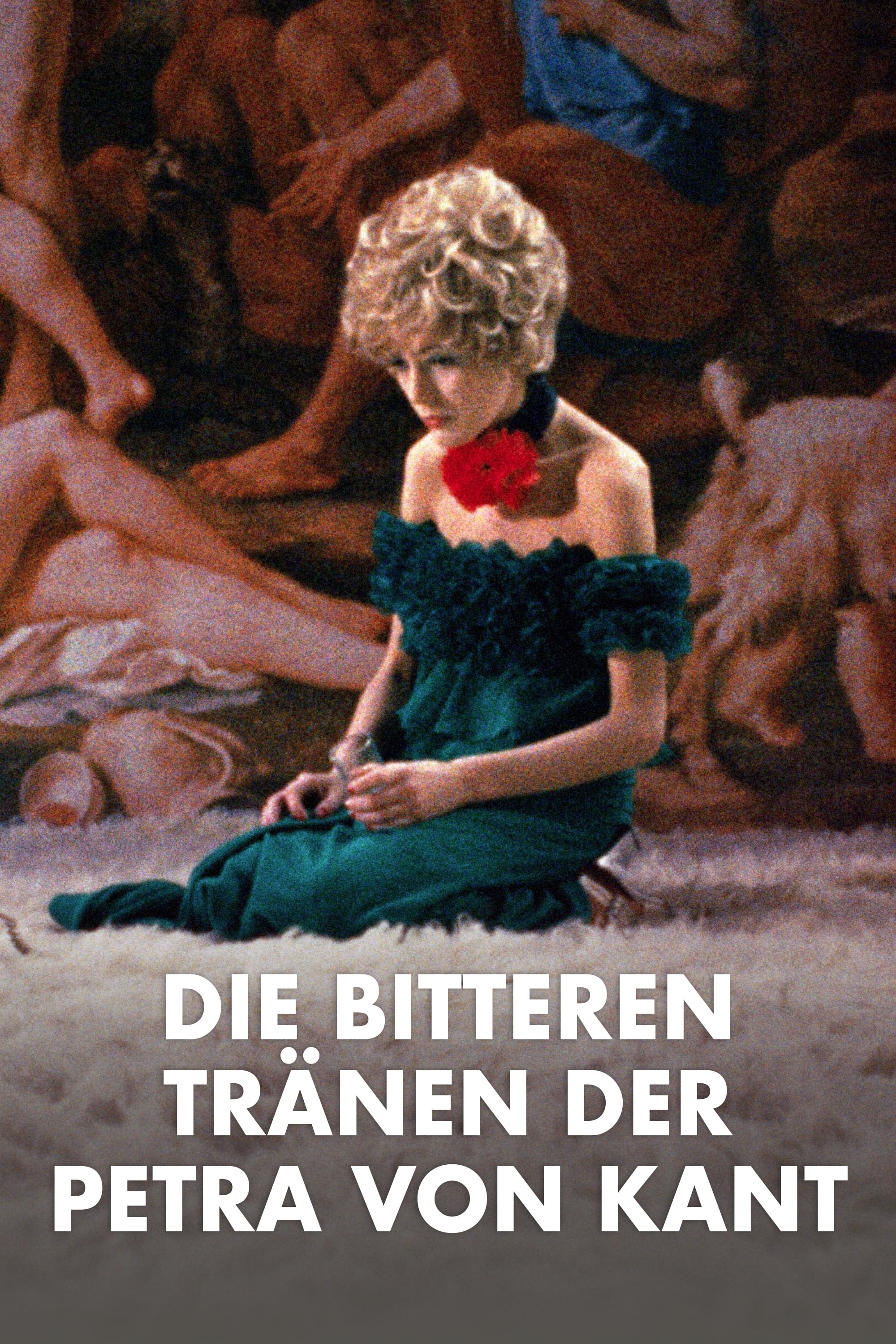
Here’s what I liked about the film: it has fantastic visuals and cinematography that makes Petra’s apartment – where the entirety of the movie plays out in a single room – into basically its own character. In long shots and flowing movements, the confined space is explored in detail – much as the characters are.
The performances were also really fantastic, by every single one of the actors involved. The film is dialogue-heavy (not surprising since it is based on a play), and each line is delivered with oomph and perfect timing. Fassbinder directs an artificial style that fits the story extremely well.
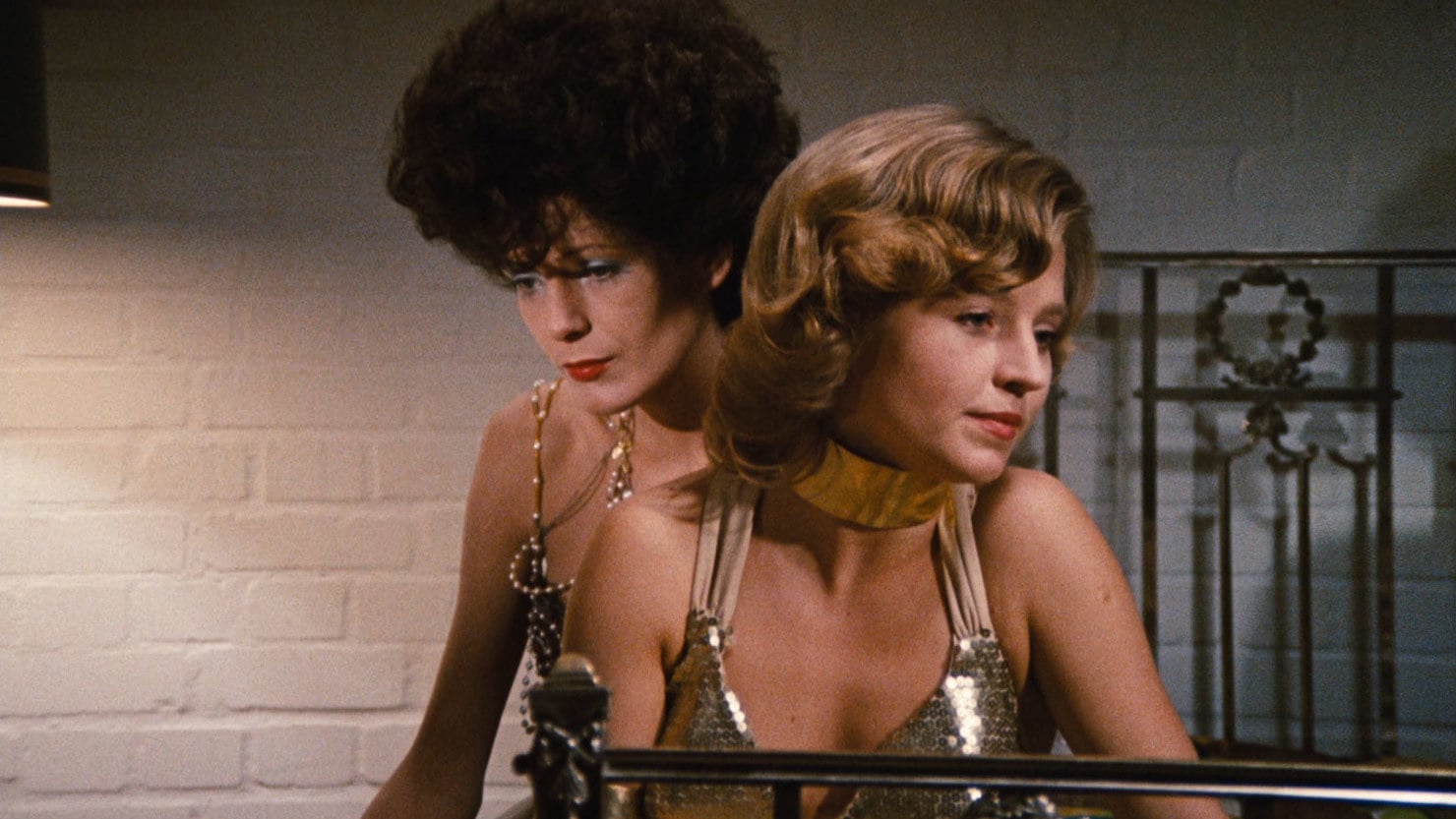
So, why did I struggle with the film? Well, for one I couldn’t really get into Petra’s theatrics, her dramatic persona paired with casual cruelty. It is plain to see that she also carries a lot of pain and that should make her more sympathetic, but her unthinking, self-involved manner frustrated me more than anything else. I felt like in her character, the film addresses a certain kind of gay man more than any woman (no matter her sexuality), and as a woman it made me feel like they used women to talk about men yet again. I’d rather hear about the women.
Plus, Petra’s relationship with Marlene is coded as a BDSM relationship, but if it actually is that, it is a completely toxic one. Maybe in the 70s, it was just great to get some kind of representation on that front, but in 2025, I expect not simply any representation, but actually good representation. (Not that we got too much of it, anyway, but the bar has been raised, we have had enough bad BDSM rep.)
In the end, I remained at a distance from the characters and the story because of these issues – and that just doesn’t work for the movie as a whole.
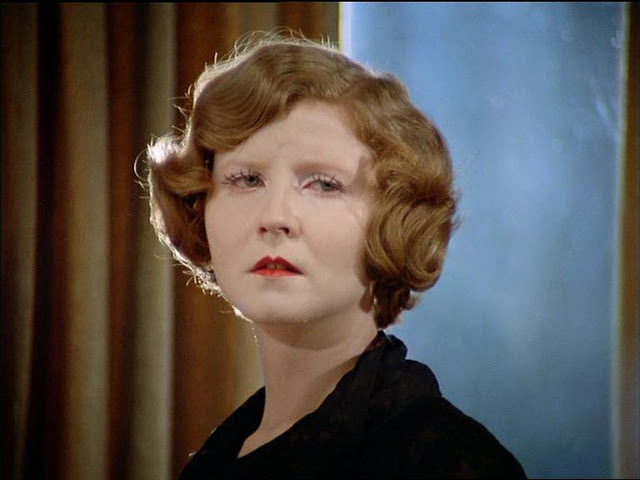
Summarizing: didn’t work for me all that well.

