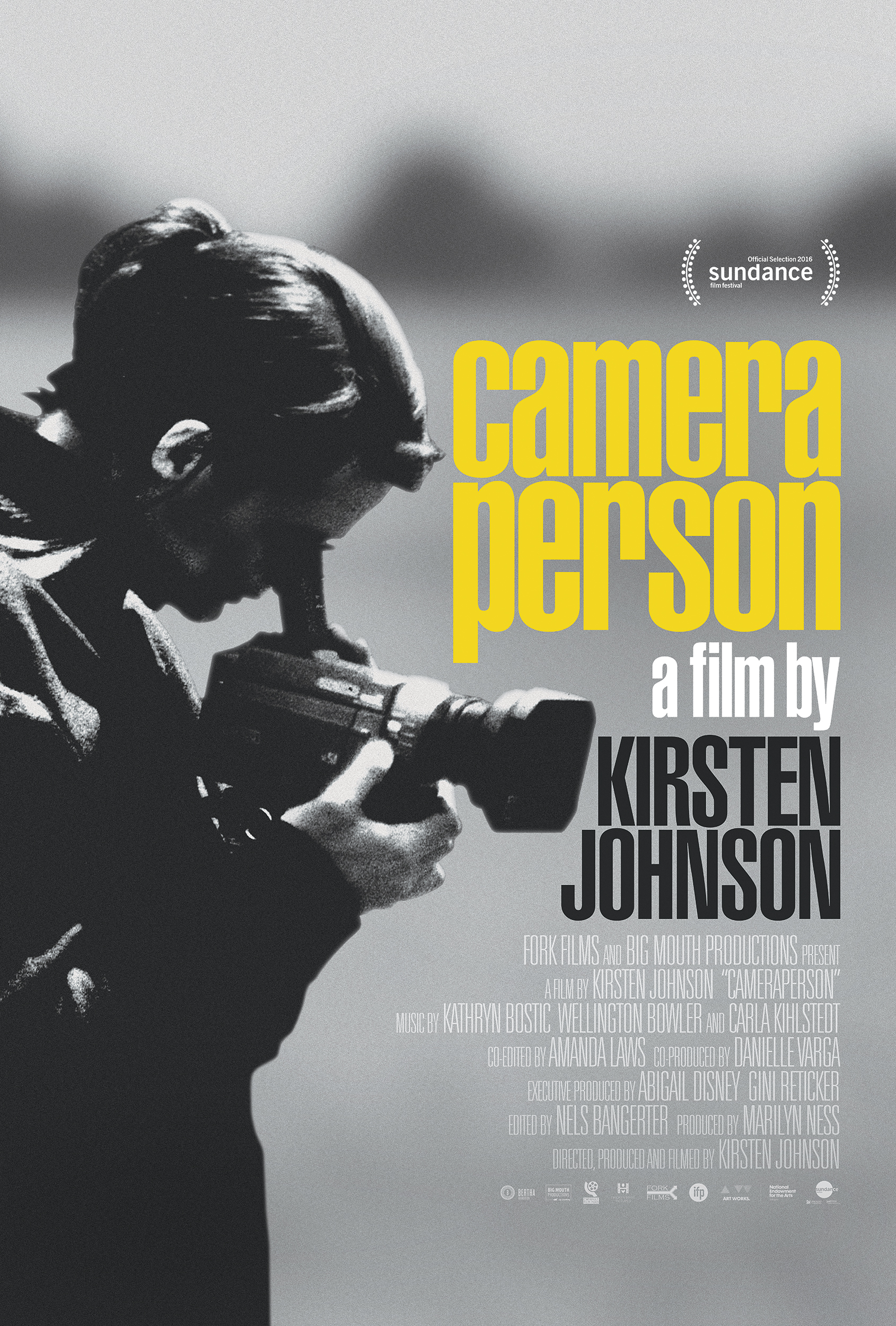
Cameraperson
Director: Kirsten Johnson
Writer: Kirsten Johnson, Doris Baizley, Lisa Freedman
Seen on: 26./27.2.2025
Content Note: mentions of rape, lynching, genocide
“Plot”:
Kirsten Johnson is a cinematographer who has been working in documentaries for a while. In Cameraperson, she uses material from the documentaries she shot but never used, as well as personal material to create an autobiographic reflection on her life and work.
Cameraperson is an idiosyncratic film, a collage of material where connections between the parts are not always obvious but can always be found. It’s associative meditations that asks many questions and gives few answers but that is its biggest strength.
It takes a while to get into the rhythm of Cameraperson. Seemingly disjointed, jumping from situation to situation, we get an introduction from Johnson that she collected material here that stood out to her throughout her career. Why it stood out, why it haunts her, sometimes many years later still, is not explained. It is up to the audience to find out.
The images are often beautiful, sometimes there is a clear sense of danger in the shots, most often we see places and people haunted by war, genocide, mass rape or get a glimpse of the trial of the killers of James Byrd Jr. And then there are clips of Johnson’s own mother succumbing slowly to Alzheimer, and her children growing up.
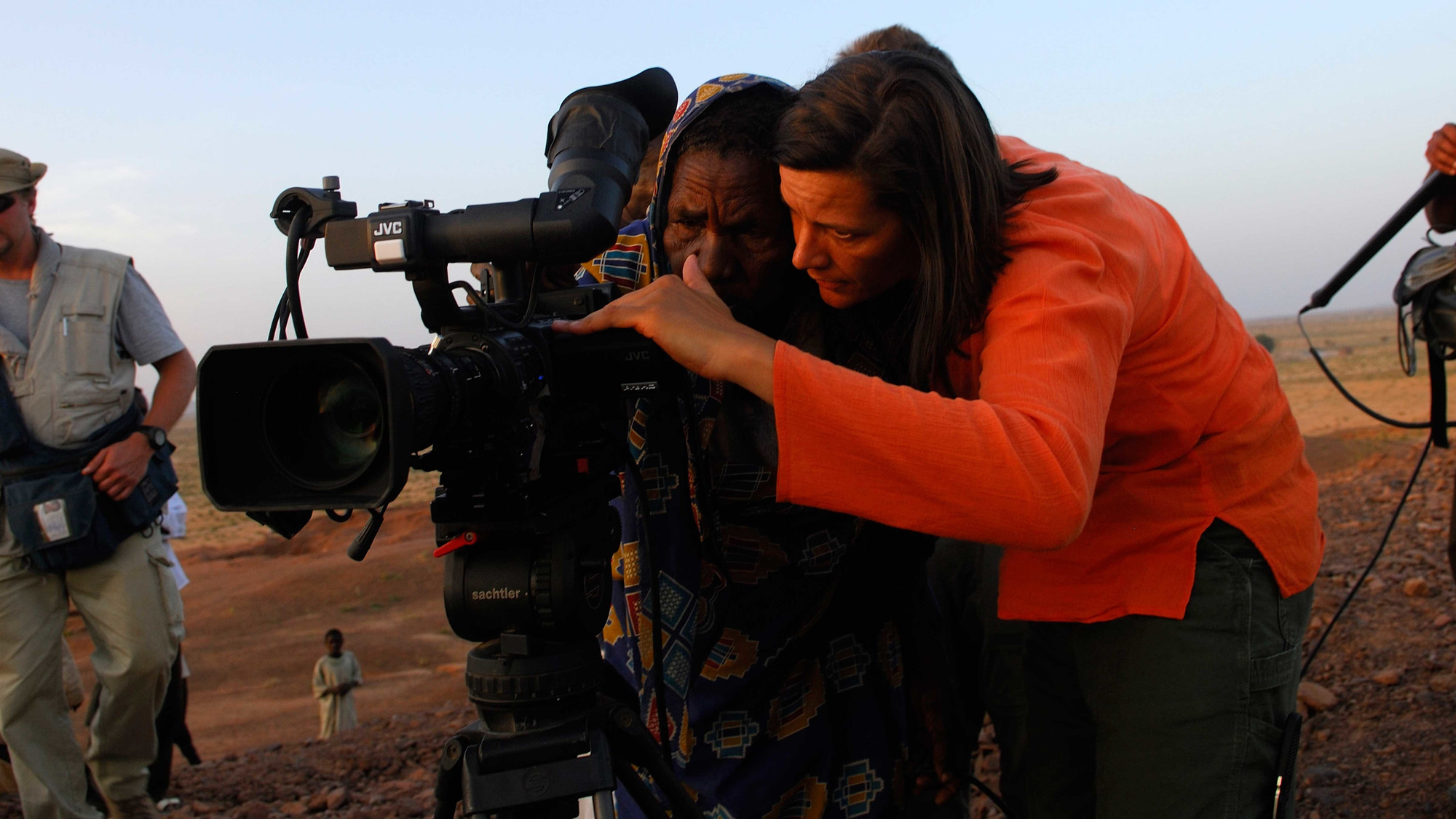
As a cameraperson, one is destined to observe and to witness. How do we share what we witness? How do we tell the stories of the things we’ve seen? How do we remember? Through it all, Johnson reminds us that the cameraperson is a person, one who makes decisions in what to show and what not, what to film and what not to film. Whether it’s a sneeze behind camera (one of my favorite moments) that destroys a take or camerawork that becomes too jiggly to be used in a film, even the footage that is captured and was supposed to be part of the story might not be usable. And Johnson has her own personal memories to keep as well, memories that can become fleeting – as in the case of her mother.
Often the moments Johnson chose will revolve around the issue of remembering and storytelling, though not always in the most obvious way. In arranging them together, she added yet another layer to the thoughtful examination of her life and her life’s work that ties everything together and makes Cameraperson greater than the sum of its part. And it is great indeed.

Summarizing: a must-see for anyone interested in storytelling, in whatever medium.
 kalafudra's Stuff