Roqia [literally: Exorcism]
Director: Yanis Koussim
Writer: Yanis Koussim
Cast: Ali Namous, Akram Djeghim, Mostefa Djadjam, Hanaa Mansour, Lydia Hanni, Aydan Hammache
Part of: SLASH Filmfestival
Seen on: 20.9.2025
Content Note: child death
Plot:
Algeria is still haunted by the Civil War in the early 90s. Back then, Ahmed (Ali Namous) got into a car accident and woke up without his memories, trying to figure out his place in his family. His wife Selma (Lydia Hanni) is wary of him, but also hopeful that things might be different now. Today, Raqi (Mostefa Djadjam) used to be an Imam, one specialized in exorcisms. But his mind is starting to fail him, and his disciple (Akram Dieghim) tries to keep things together for both of them, with the help of their neighbor Waffa (Hanaa Mansour). It is getting harder and harder, though. Both Ahmed and Raqi feel darkness encroaching on them more and more.
Roqia is a heavy, almost suffocating film that has some interesting ideas and less interesting answers. It took me a while to shake off.

Most Europeans know very little about African History, even the most recent parts. The Algerian Civil War is certainly among those things that people are not widely aware of here. The film doesn’t give us much historical context, but it gives us an emotional account of the continued impact it has. Koussim experienced its violence firsthand. He said himself that he wanted to work through his memories and try to figure out how normal people could be capable of such atrocious violence.
The answers he finds in Roqia – that the violence we experience infect us, turns us violent and makes us infect others – are a little too simple. That seems to absolve victims of violence of their responsibilities, and doesn’t really explain all that much. That doesn’t mean though, that the question isn’t important, nor that the film has nothing of interest to say.
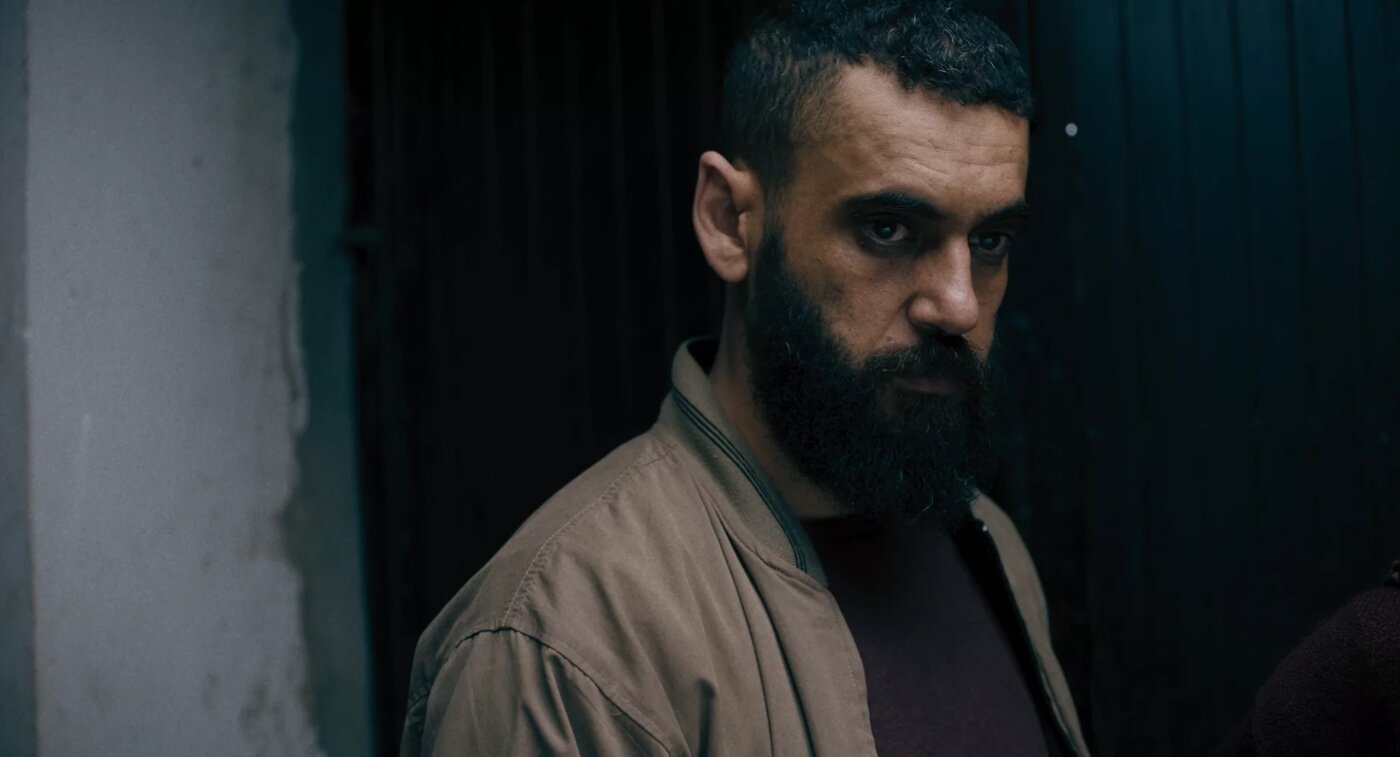
It is certainly a harrowing experience. The film opens with the murder of a family, including the children, one of the more distressing openings to a film I have ever seen. This feeling conitnues throughout the movie that is told in two timelines, going from present to past to present again. I liked the parts in the present better than the part in the past (that was a tad too long), mostly because I connected with the characters there a little more (Raqi’s disciple and Waffa were absolutely great together, and I really liked that we got this friendship without a trace of romance).
Both parts give us interesting and innovative ideas about demons. I found the dementia angle especially fascinating, but also the idea that demons can be passed along in this way which is not entirely new, but also not overdone like many other demon/exorcism tropes.
In the end, the film remains dark and I would have liked a little more hope, mabye. It is the kind of film that left me very happy that it was warm and the sun was still shining when I left the cinema. There was even ice cream. I suggest that should you watch it, have something warm, soft and sweet handy.

Summarizing: effective, moody, definitely leaves an impression.
 kalafudra's Stuff