Schlafkrankheit
Director: Ulrich Köhler
Writer: Ulrich Köhler
Cast: Pierre Bokma, Jean-Christophe Folly, Jenny Schily, Hippolyte Girardot, Maria Elise Miller
Seen on: 18.10.2025
Plot:
Ebbo (Pierre Bokma) has been working in Cameroon for years in a project that battles Sleeping Sickness. But his work is coming to an end. His wife Vera (Jenny Schily) and daughter Helen (Maria Elise Miller) – who goes to school in Germany – are ready for all of the family to return home to Germany. Some time later, Alex (Jean-Christophe Folly) is sent to Cameroon to evaluate this project but he is taken aback by the realities he encounters there.
Schlafkrankheit approaches interesting topics but it never seems to get anywhere with them, ultimately becoming mystical instead of critical and reinforcing a European-centric perspective it would have been better to decenter.
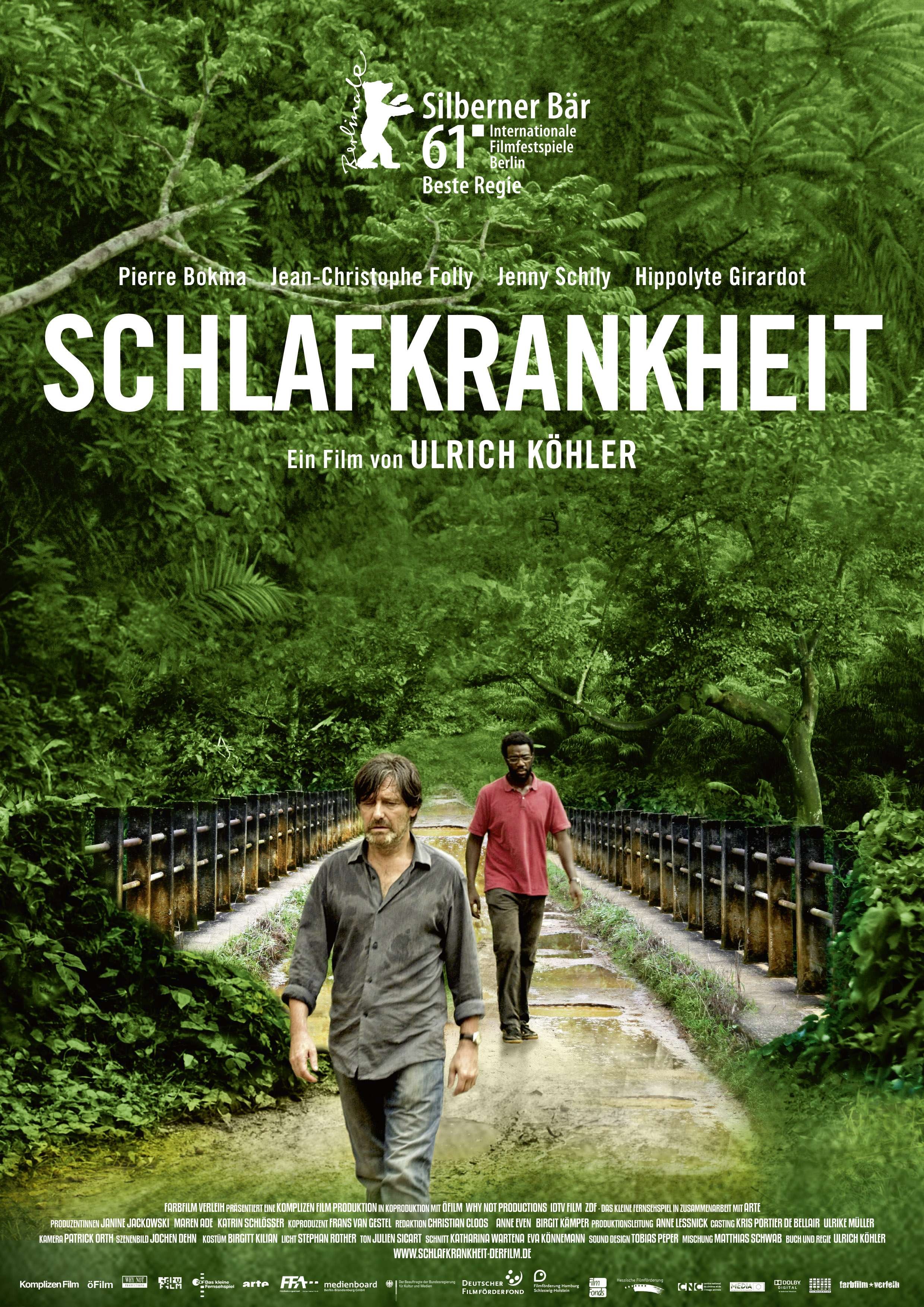
From what I gather, Köhler himself grew up in the Democratic Republic of Congo as the child of aid workers much like Ebbo. So it is not surprising that he seems to have a good idea about the position those white people are in: privileged in pretty much every sense, they seem to develop the idea that they deserve everything because they are there to help. Ebbo definitely doesn’t treat the Africans he encounters like any kind of equals. He is a king there.
Köhler contrasts this with Alex who is Black and grew up in Europe. His project in Cameroon is his first time in Africa, and he finds himself caught between worlds. He might look much more like the people around him than Ebbo does, but he doesn’t belong there at all. He doesn’t even know how to understand what is happening, or rather how to judge what is going on by standards that actually make sense under the circumstances.
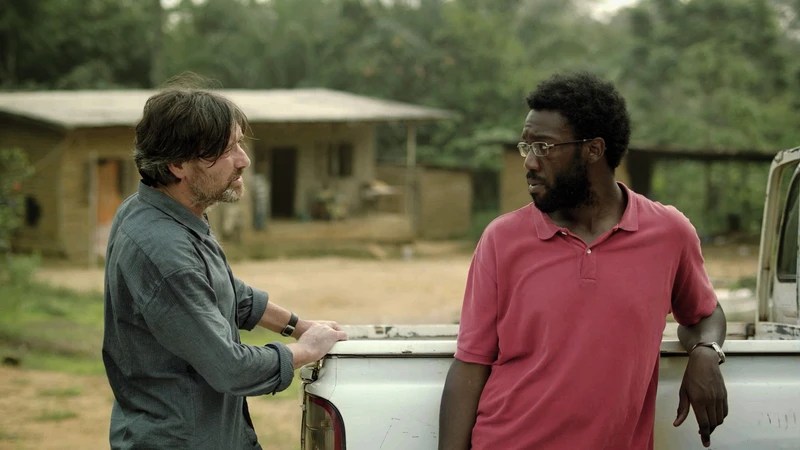
And there is a much more general question about such aid projects: if they are successful and eradicate the need for themselves, what happens to all the people who have become dependent on the projects for jobs or for infrastructure? Shouldn’t all of these projects come with a long-term exit strategy that include this perspective?
Köhler chronicles these things meticulously, and then does absolutely nothing with them. Instead, in the last part of the film, he turns to a mystical ending that seems to build a shrine to Ebbo in a way. Plus, he never once actually gives us an African perspective in the entirety of the film, and that is just fucked up. Coupled with the movie’s slow pace, I was pretty annoyed by it and never really could get into things. What a wasted chance.

Summarizing: despite interesting topics, a little boring.
 kalafudra's Stuff