Affeksjonsverdi
Director: Joachim Trier
Writer: Eskil Vogt, Joachim Trier
Cast: Renate Reinsve, Stellan Skarsgård, Inga Ibsdotter Lilleaas, Elle Fanning, Anders Danielsen Lie, Jesper Christensen, Lena Endre
Seen on: 12.12.2025
Content Note: (attempted) suicide, (mention of) torture
Plot:
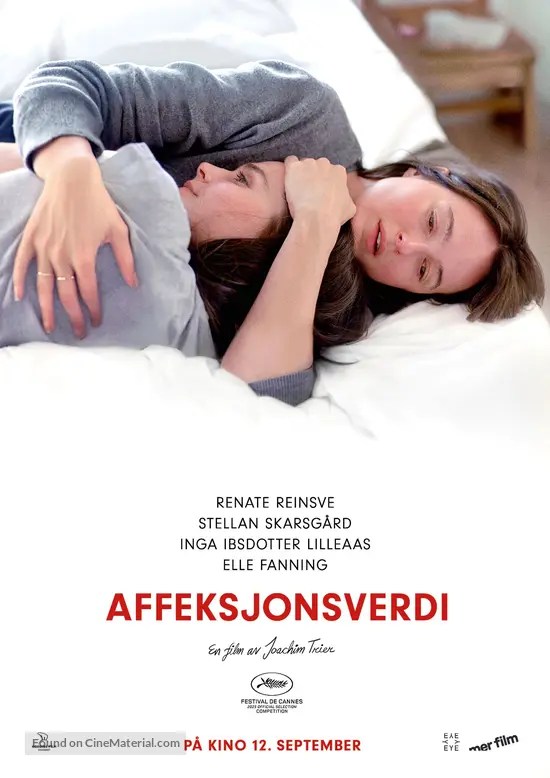
Nora (Renate Reinsve) and Agnes (Inga Ibsdotter Lilleaas) are the daughters of famed director Gustav Borg (Stellan Skarsgård). But Gustav has always chosen his career over his daughters. After their mother’s death, he returns to their home that officially still belongs to him. He has a proposal – he wants to work with Nora, who is a theater actor for his next, possibly final, movie project. Nora can hardly imagine anything worse. But whether she wants it or not, her father is back in her and Agnes’ lives.
I was a little undecided about watching Sentimental Value. On the one hand, it had gotten heaps of praise and I did like the other two films by Trier that I saw. On the other hand, it seems like yet another story that gives an absent father too much forgiveness. And while the latter isn’t not true, it really is a fantastic film.
It feels like there are many stories where fathers who chose to not be in their children’s lives when they were little, return when they are grown and possibly have made something of themselves. And then they would like to be in touch, they would like to mend fences, they would like to make up for lost time somehow. And I am not saying that they should never get that but more often than not it seems a foregone conclusion that they will be forgiven, and the stories are focused on the father’s (often rather inadequate) attempts of reconnecting without ever really facing their failures as a parent.
This was the story I was afraid we would be getting with Sentimental Value as well. And Trier and Vogt don’t exactly tell a different story than that, but they tell it well enough that it becomes way more than just that. Starting with the fact that Gustav isn’t the main character here, even if he certainly thinks he is. The main character is Nora, and it is her anger and her pain that are centered for most of the film. The resolution in the end, then, is also more about her being able to let go of her grudge and freeing herself somewhat rather than about the forgiveness she can extend to her father.
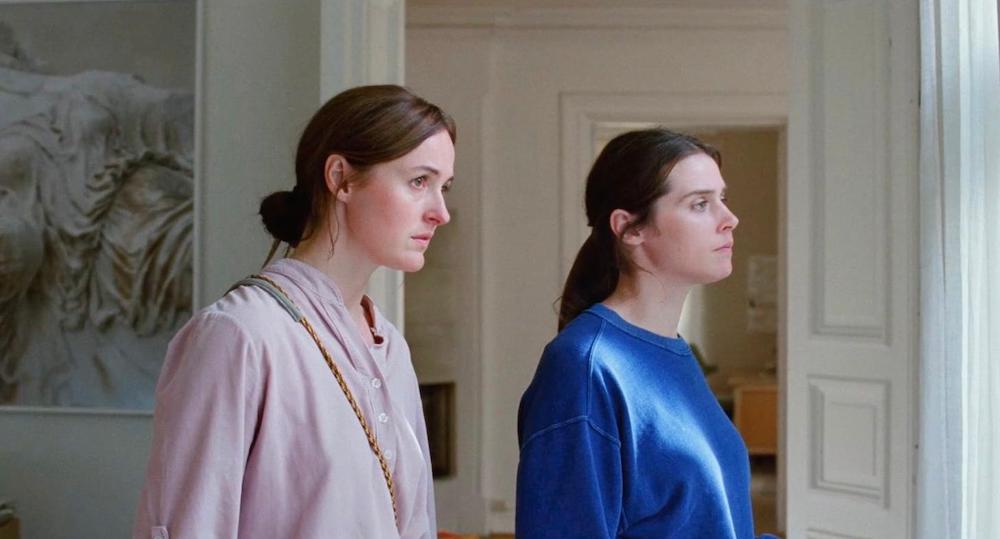
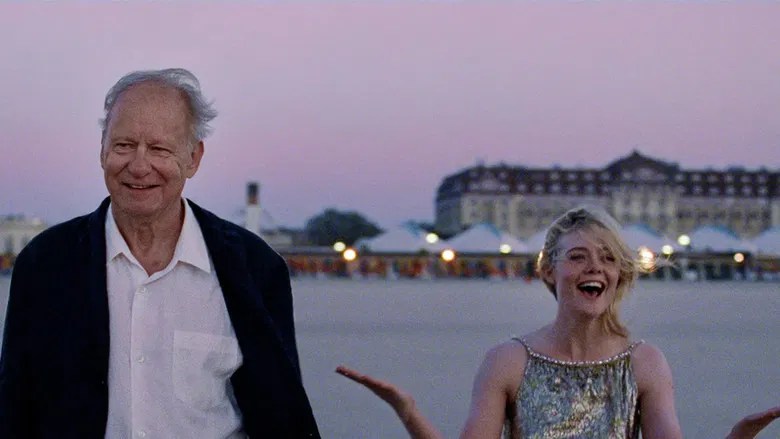
It helps that the film is one of the most beautifully acted films I have seen in a long time. While Reinsve and Skarsgård get the flashiest scenes and nail them every time, Lilleaas’ quite presence grounds all of the artist characters around her, giving all those perfectly timed emotional beats the weight to really hit home. Fanning has the difficult job to make herself an alien in the Borgs’ world – and she workst that perfectly. It is a marvel to watch all of them.
The film has many layers, reflecting on family history, trauma, mental health and artistry in such a measured and thoughtful way that you almost feel like you’re watching a film that doesn’t have all that much to stay. But if you start pulling at one thread of thought even in the slightest, the film suddenly unravels into a work of philosophy – in the most beautiful way.
Summarizing: excellent.
 kalafudra's Stuff