No Mercy
Director: Isabella Willinger
Writer: Isabella Willinger
Seen on: 4.2.2026
“Plot”:
When director Isabella Willinger interviewed Kira Muratova, the latter stated that women made tougher, harder movies than men. This theory stuck with Willinger and she decided to interview (mostly) female directors about their thoughts about this – directors like Catherine Breillat, Alice Diop, Ana Lily Amirpour, Céline Sciamma, Joey Soloway, Virginie Despentes, Valie Export, Nina Menkes, Monika Treut, Apolline Traoré, Mouly Surya, Marzieh Meshkini, Margit Czenki and Jackie Buet.
No Mercy is right in my special area of interest: films and feminism and how they intersect. While I thought that the film was lacking a bit of focus, that is more than made up for by the very interesting women that it interviews.
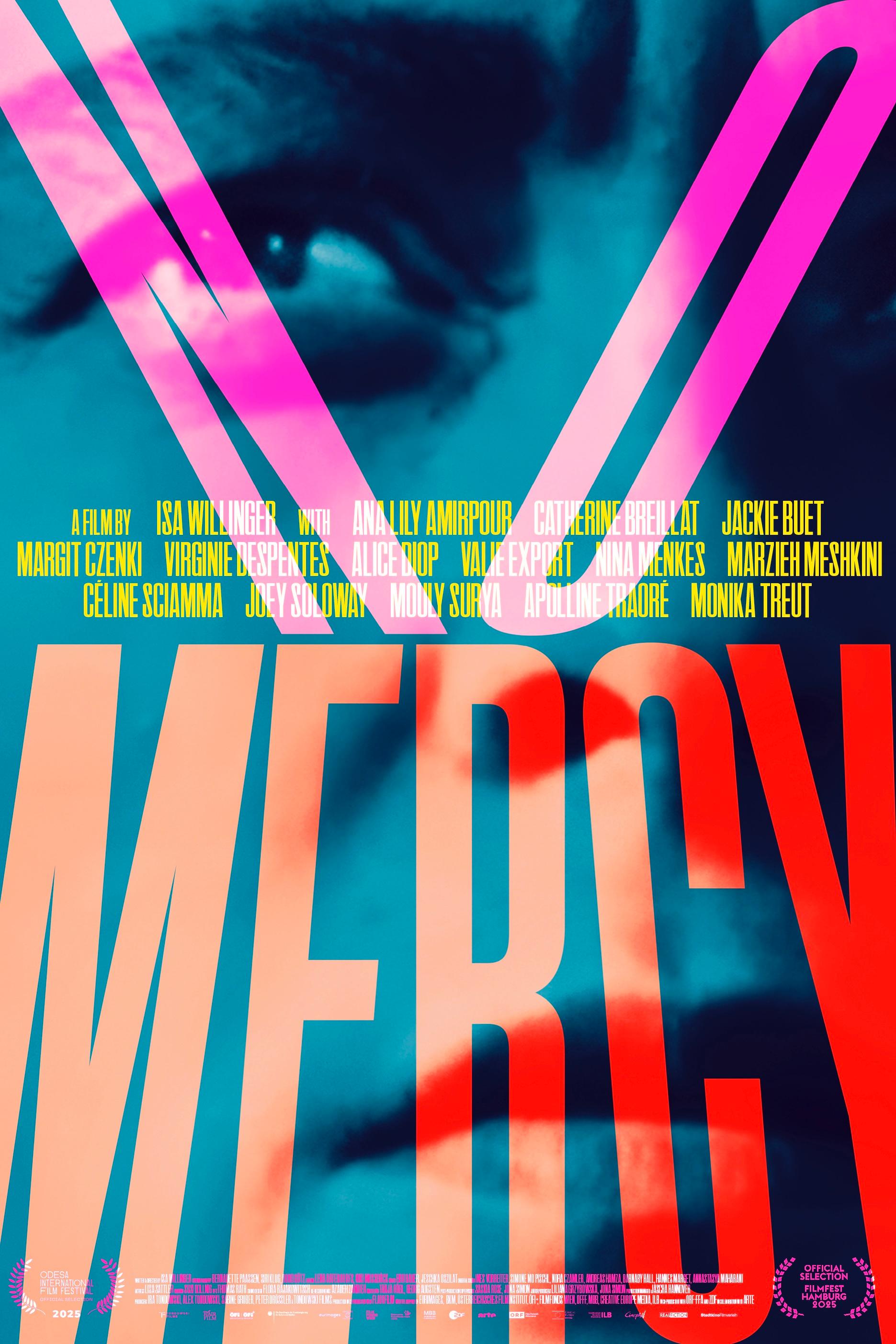
Willinger chose a very personal starting point for her documentary: a more or less official interview she had with Kira Muratova who she met a couple of times, who she obviously admired greatly and who she wrote papers on in film school. Muratova is unfortunately not alive anymore to answer the questions that a more or less off-hand remark of hers prompted. Do women really make harder films? What does she mean by hard anyway? How do other female directors then interpret this statement? How do they see their own works?
It’s interesting to consider. I am convinced that the female perspective on the world is different from the male or the non-binary one, just as the white perspective is different from the BIPoC perspective. At the same time we can hardly say that all women share the same perspective, or all men, or all white people etc. How do we reconcile these two ideas? (And we are smack-dab in the middle of film sociology, my MA.) It’s a big question, but by narrowing it down to the question of „do women make harder films?“, the film makes the wrong attempt to bring the question down to a manageable size. (Especially considering the special relationship between horror and marginalized groups that is well-known.)
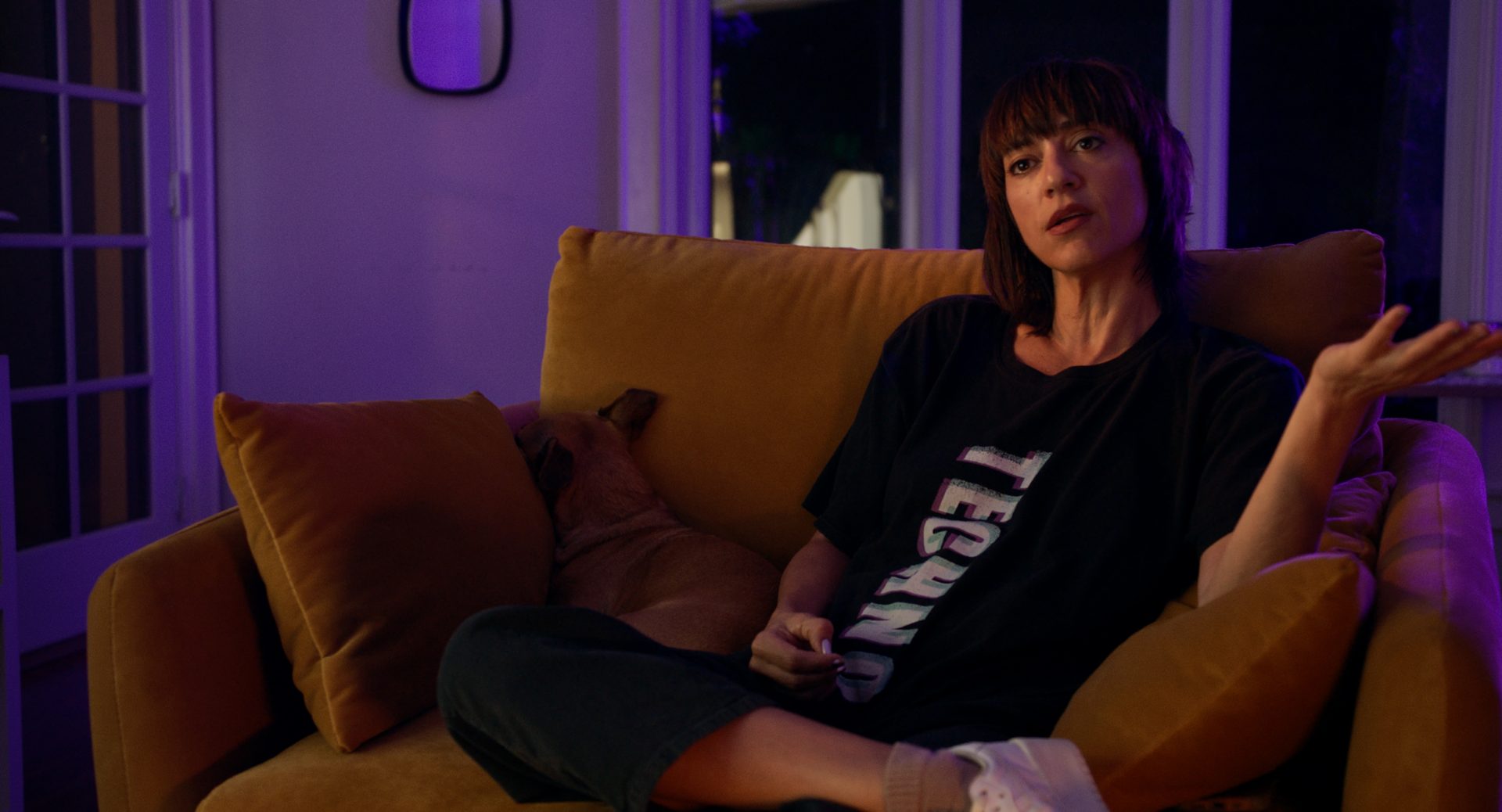
The thing is, everybody seems to realize that. The film keeps getting away from this question, the interview partners mention different aspects, but ultimately have either no answer, or a very short one. That being said, there is so much interesting stuff here and so many interesting filmmakers that I would have watched the documentary for a while longer yet without really minding this meandering way around a topic.
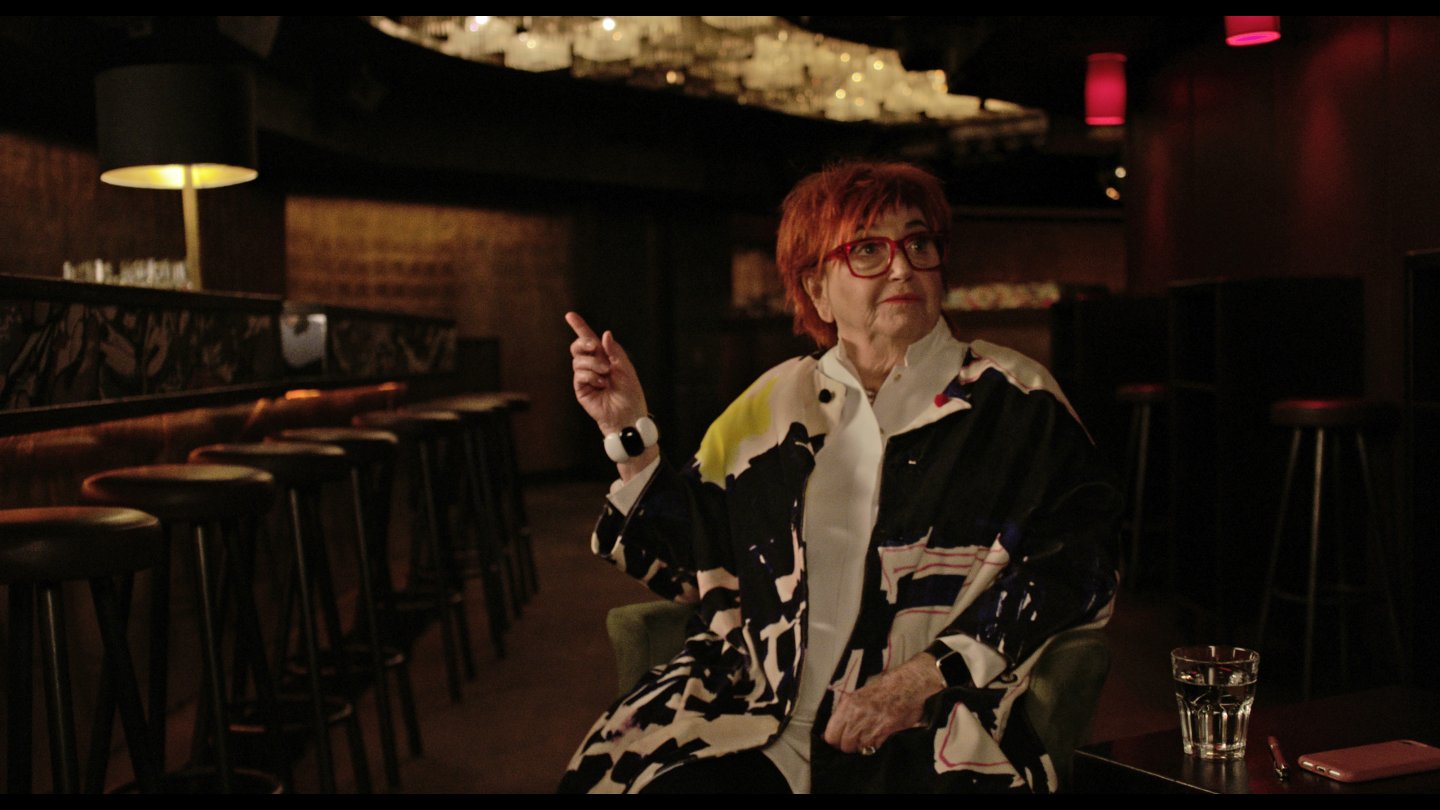
There is much to learn here, much to consider when these experienced filmmakers share their views on how gender and the patriarchy play a part in their work (and more). Plus, if you are not familiar with all of the films mentioned (I am definitely not), it’s also a good starting point to increase your watchlist. I certainly had an excellent time with the film.
Summarizing: absolutely worth seeing.
 kalafudra's Stuff