Die Züchtigung is the first novel by Anna Mitgutsch. It was translated into English as Three Daughters (alternatively: Punishment). I read the German original.
Finished on: 1.4.2026
Content Note: child abuse (physical, psychological), corporeal punishment, neglect, animal torture/death
Plot:
When her daughter asks Vera about her own mother, Marie, Vera’s memories about Marie that she has been suppressing since the latter passed away, come flooding back to her. Marie’s childhood was marked by harshness and physical violence, and she passed those beatings on to her own and only child, Vera, hoping to beat her into a better life than she ever had. Vera swore that she would never be like her mother, that she would do things differently, but her relationship with her own daughter is also strained.
Die Züchtigung is a heavy book, filled with violence. It’s an honest reflection about that violence, an attempt to understand but not excuse. It probably explains a lot about Austria (not that we can’t see the same dynamics elsewhere), but mostly, it wrenches your heart in beautiful sentences.
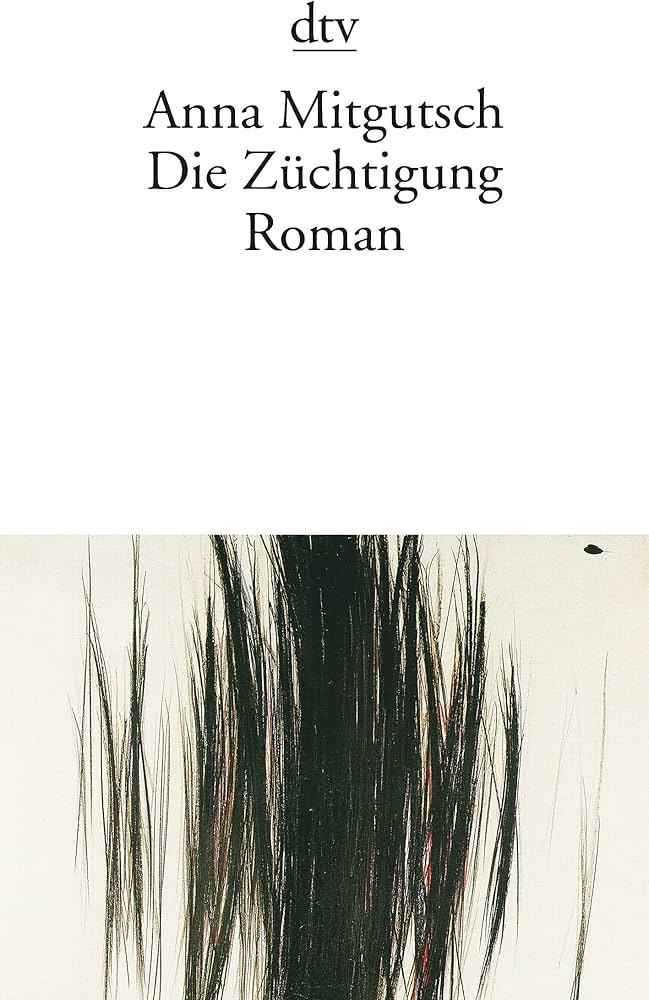
Die Züchtigung is not an easy book to read. The descriptions of Marie’s childhood are harrowing, the neglect, the violence – it is hard to stomach. The book tries very hard to make us understand Marie’s situation and how this led to her treatment of Vera, and then how that impacts Vera’s relationship with her own daughter. This focus on explaining and the explanation it finds feel somewhat psychoanalytical, and seems like a product of its time, but I can’t say that it hasn’t aged well.
In any case, in not only showing the impact on Marie – how the abused becomes the abuser – but also on Vera who tries to break the cycle and starts a new, different cycle in her attempt, the book makes sure that Marie’s abuse is never an excuse for her behavior. That is further emphasized by short glimpses we get of other characters‘ perspective on Marie’s childhood that allow for a little more gray than Marie ever allows herself. Here, we see the choices Marie had and the path she chose (more or less consciously), giving her agency that keep her fate from being predetermined and inescapable.
Mitgutsch’s prose is beautiful, making you feel all that pain, struggle, coldness. It hits home a lot. I had tears in my eyes more than once. Thus, I definitely do not recommend reading this if you’re not in a good place. And if you experienced this kind of abuse yourself, proceed with all caution. But you should definitely give this one a go, it is absolutely worth the pain it hands out.
Summarizing: oof, but in a good way.


[…] the explaining is also a bit a sign of the times and having read it so shortly after Die Züchtigung, I saw more than a few parallels (though Die Züchtigung is in no way about Black experiences and […]
[…] only recently read Die Züchtigung and The Bluest Eye, two books that are all about how hard life can be for children, especially […]