Paris Is Burning
Director: Jennie Livingston
Seen on: 25.5.2026
„Plot“:
The documentary covers the 1980s ballroom culture, shaped by queerness, drag and people of color, especially Black and Latinx. It explores the (social) rules of the scene, its competitions and vocabulary to give us an idea what it was like then.
Paris Is Burning is a queer classic by now, and I had been meaning to see it for many years. I finally made it, and I am glad I did – it is an important historic document, I’d say.
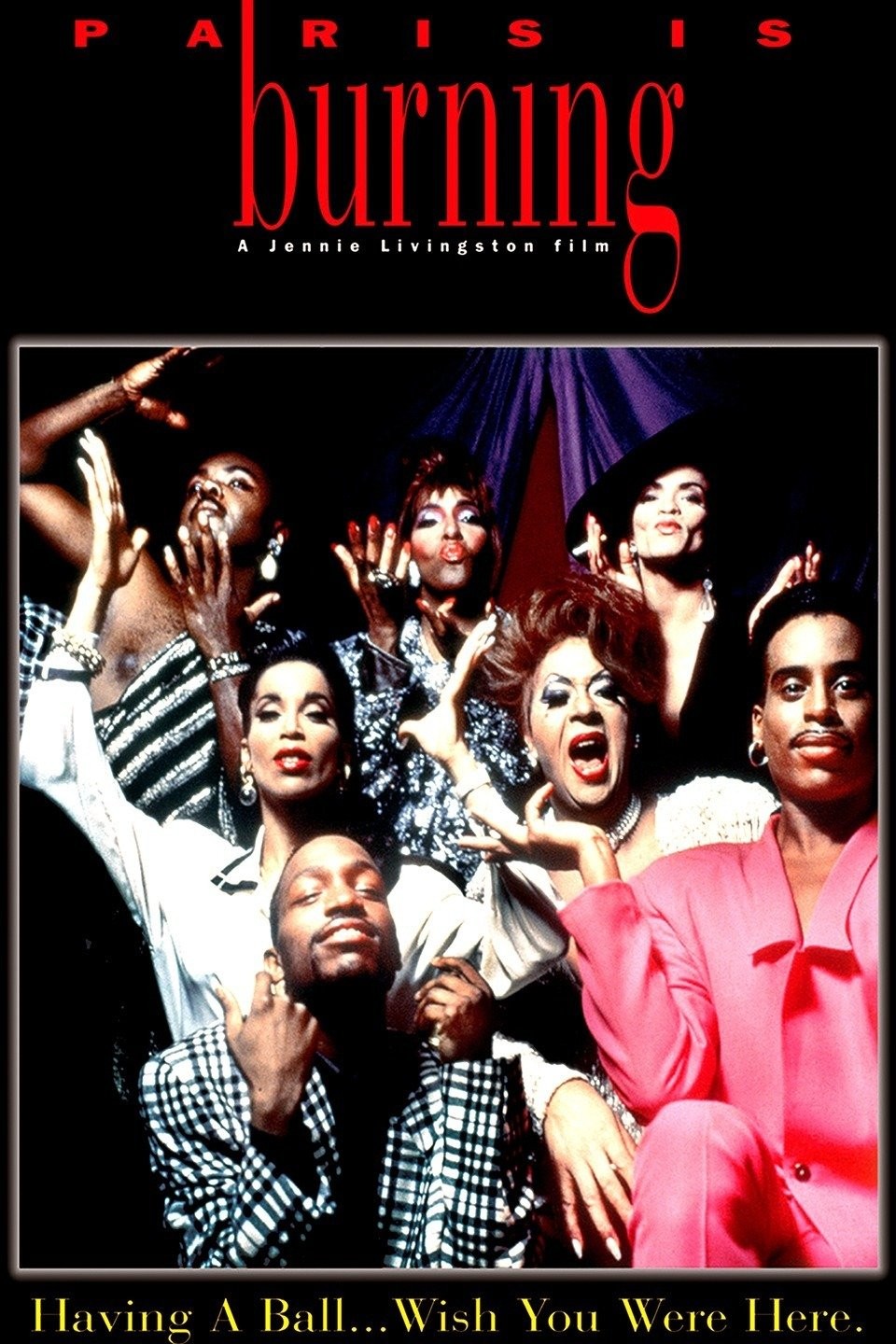
Ballroom culture was born out of the appropriation and reinterpretation of high fashion by people who could never participate in the high fashion scene itself – being too poor, too queer, and not white enough to play at that game. Instead they made their own fashion, combining it with dance, with competition and also with community.
The documentary gives us a glimpse at the balls themselves, but also features interviews with important players in the scene who give us their perspective on what makes the balls so essential to them. These interviews in particular make clear that this is not just about partying and dancing. It is about finding community and creativity despite a world that is set against you in many ways.
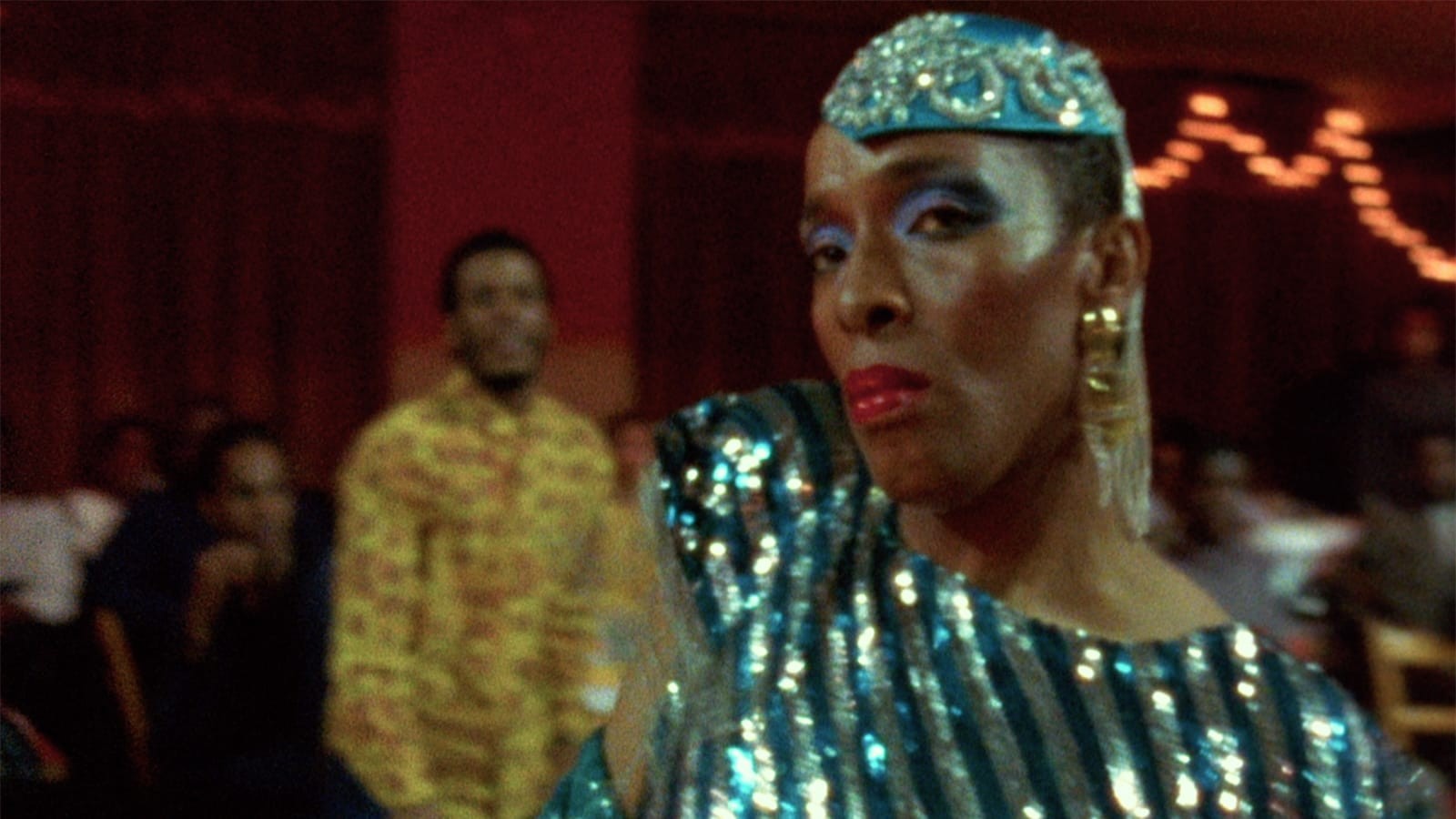
The impact of the ballroom scene can still be felt today, be it in vocabulary that originated there or got a very special meaning, be it in a certain style of performance, be it in the way that queer people relate to each other and find family with each other.
Livingston manages to show us all of that with what feels like very little narrative outside of what the people say and do on screen. Of course, cinematography and editing are heavy influences on narrative, but Livingston has a very naturalistic hand that gives the people involved and the images the space to speak for themselves. This energy makes the film a vivacious testament that captures our attention more than more than 30 years later.
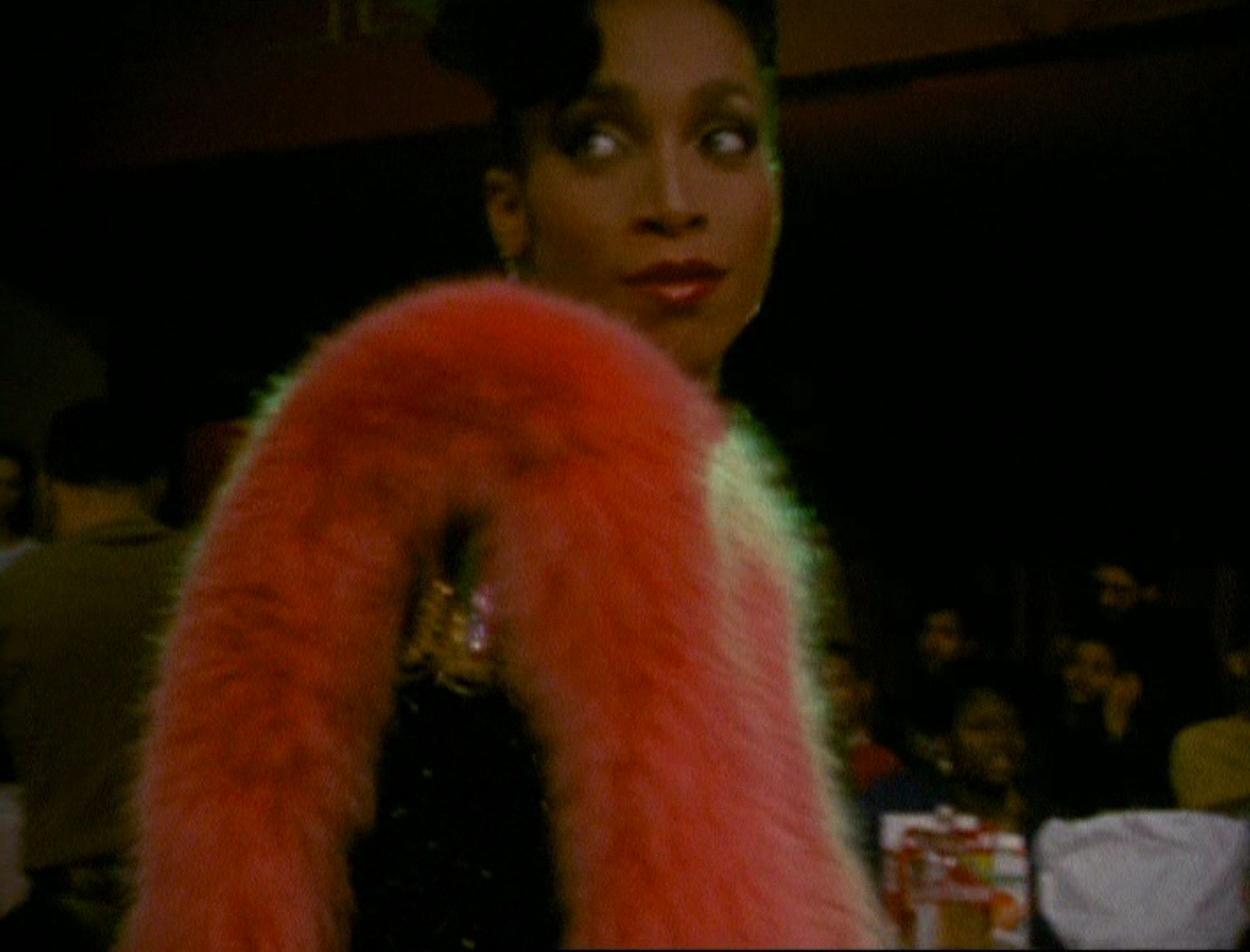
Summarizing: absolutely worth seeing, even if you are not into drag and ballroom.

