Salonfähig [roughly translates to: fit for high society] is a novel by Elias Hirschl. There is no English translation (yet).
Finished on: 15.8.2026
Plot:
The Junge Mitte Österreich (Young Center Austria) is having a moment. Led by the rising star, the shining star Julius Varga, it is primed to win the next election in a very big way, which would in turn lead to Varga becoming the youngest chancellor in Austria ever. The narrator can’t wait for this to happen. He himself is part of a local arm of the Junge Mitte. With the help of a speech trainer and a psychotherapist, he hopes to improve himself enough to reach the heights of Varga.
Salonfähig is basically what would happen if American Psycho was about Sebastian Kurz and interested in taking apart radicalized conservatism. It’s a pretty good read, though I wouldn’t have minded a little less American Psycho vibes.
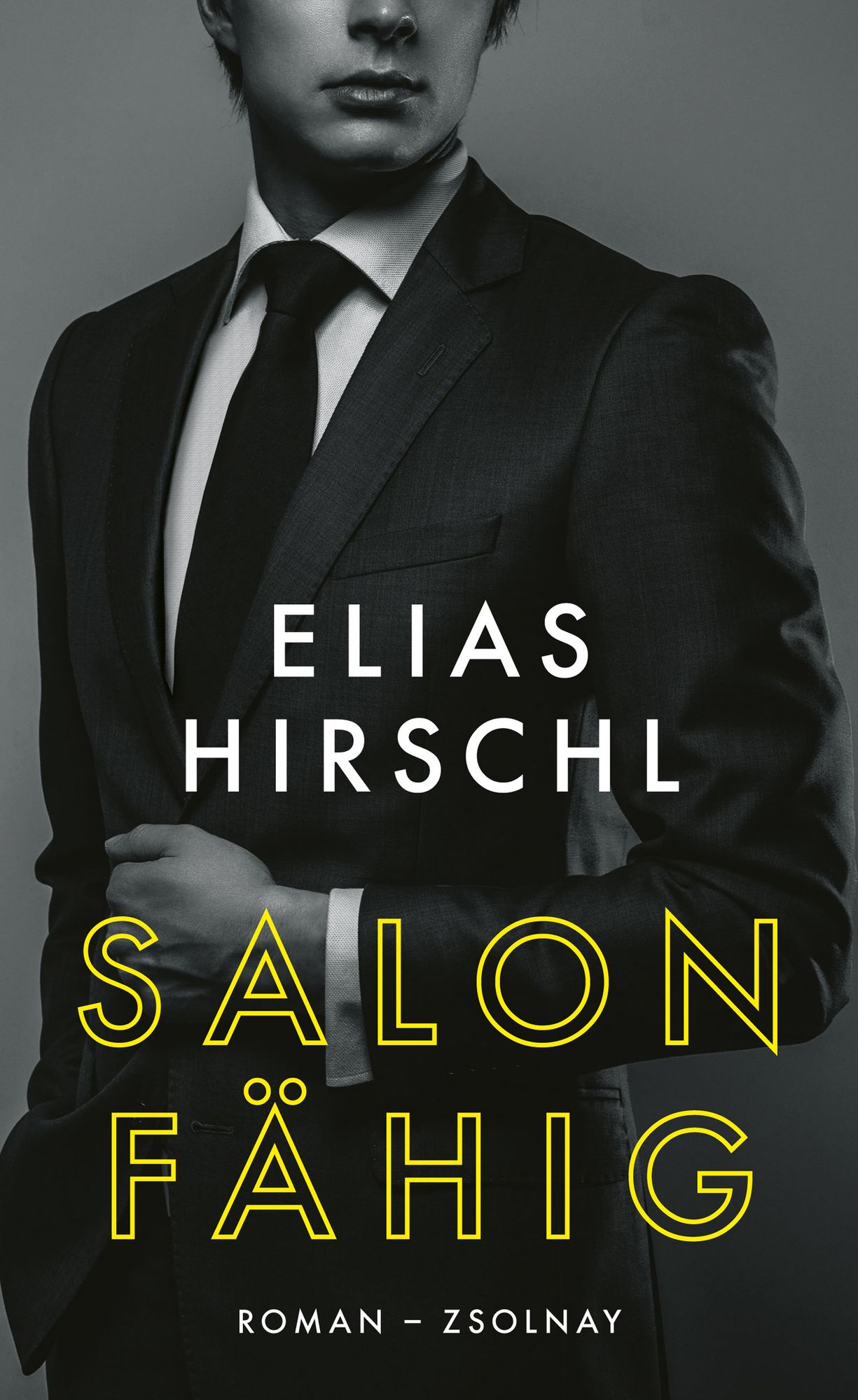
Salonfähig is Hirschl’s biggest success so far (and the only book of his I read) and it hinges mostly on the fact that it came out around the time that Kurz had to leave his office because of corruption. That is not to say that it doesn’t deserve the success, just that it had some very fortunate timing.
But the book is less about Kurz himself (and not only because it references several real-life scandals of several branches of the Austrian Conservative Party ÖVP) than about the political system that made (and frankly, still would make) him possible. It dissects the personality cult that surrounded him, the utter emptiness of the world around him and the irredeemable rottenness at the core of it all. Everybody is talking but nobody is communicating and that’s not just thanks to the copious amounts of coke that are consumed.
It appears that none of the people here have any substance or anything meaningful to say. But that is, of course, not true. Everything that they say means that they are (claiming to be) better than everybody else, and those that are not like them in any way are to be disdained, disparaged, disregarded. Their lack of personality is filled in with hate. They actually also hate each other but they would hate to not be like them even more, so they stick with it. It’s a pitiful way of being, but Hirschl rightly doesn’t ask us as readers to pity them. Too much of their misery is self-made and could only be self-remedied.
It is not easy to write a book about these people and not make you want to turn away. Thankfully, Hirschl’s writing style is breezy and the book is generally not too long. Even so, towards the end it felt like the book mostly turned more towards the horror elements of its story because it simply didn’t know what else to do with it. And thus the ending felt a little lackluster to me, even though I generally appreciate horror.
Other than that, though, I really enjoyed Salonfähig and I am looking forward to discovering more of Hirschl’s work.
Summarizing: engaging and especially relevant for Austrians, though not just for them.

