Blick in den Abgrund
Director: Barbara Eder
Writer: Barbara Eder
Interviewees: Helinä Häkkänen-Nyholm, Helen Louise Morrison, Roger L. Depue, Robert R. Hazelwood, Stephan Harbort, Gérard Labuschagne
Plot:
Blick in den Abgrund is a documentary about six different profilers and criminial psychologists. It takes a look at their work, their process and thinking and the toll the work might take on them.
Much is made of the professional Profiler in popculture. In movies they make Holmes-worthy deductions, narrowing down the list of suspects until there’s only one left who just has to be the pychopath. Eder’s movie comes from that awe. But instead of giving you a realisitc, but still admiring look at the profession, for me it had an almost discrediting effect.

[Slight Trigger Warning]
Last semester I had this Social Psychology class that was so incredibly basic that all of the psychological studies it cited seemed to me so logical and clear from my day-to-day perspective that I didn’t learn a thing. And it managed to basically ridicule psychology as a scientific field for me. Completely. How can anybody take this stuff seriously? Performing in front of others either makes you better or worse at doing whatever you’re performing? YOU DON’T SAY?! And that’s science?
Anyway, I’m pretty sure that there is more to psychology than that. And I’m pretty sure that there is more to profiling than what we saw in the film but what we got to see had exactly that effect on me. Everything was so commonplace. Stabbing somebody in the face 20 times seems more personal than stabbing somebody in the body? Really? That’s your insight? I would have never thought of that.
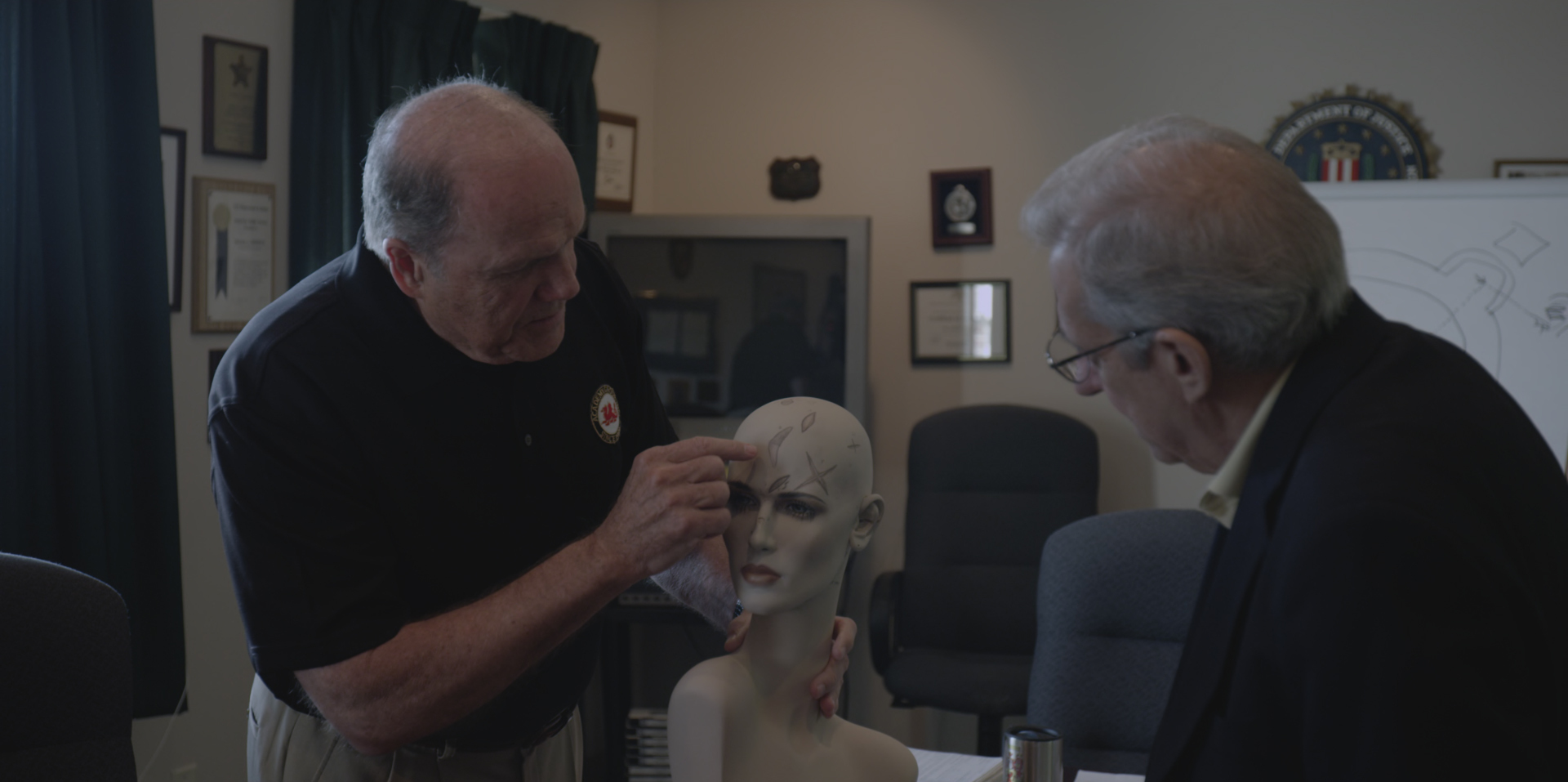
It didn’t help either that most of the profilers who were interviewed were pretty kooky and frankly seemed incompetent. Hazelwood and Depue probably should have retired a long time ago (there was also this extremely bizarre sequence where Depue gives women tips on how not to be raped and he only talks about strangers and kidnappings which is a minuscule percentage of the rapes that actually happen). Morrison and her quest for implanting serial killer brains with electronics to study them is ethically more than questionable. Stephan Harbort’s interview with one rapist and murderer breaks every rule ever written about scientific interviews within 3 minutes.
The ones that actually seem to be competent at their jobs and still sane as persons were Häkkänen-Nyholm and Labuschagne. I would have liked to see a film that’s all about them.

Summarizing: Not very insightful, altogether.
 kalafudra's Stuff
Thanks
No, thank you for writing probably my favorite comment on this blog. Amazing.
I must admit it could have been much more exciting. They had lots of great footage from south africa but i suppose they had to make editorial decisions
Editorial decisions are sometimes a little hard to understand I think, when you’re not involved in the process at least. But the film was generally rather short – a few minutes more to include good footage probably wouldn’t have hurt.
And as I wrote, for me profiling fewer people with more detail would have worked better anyway.
Agreed!