Charlie Says
Director: Mary Harron
Writer: Guinevere Turner
Based on: Ed Sanders’ book The Family, and Karlene Faith‘s book The Long Prison Journey of Leslie Van Houten
Cast: Hannah Murray, Sosie Bacon, Marianne Rendón, Merritt Wever, Matt Smith, Suki Waterhouse, Chace Crawford, Annabeth Gish, Kayli Carter, Grace Van Dien
Part of: /slash Filmfestival
Seen on: 25.9.2019
1-gif-review
Plot:
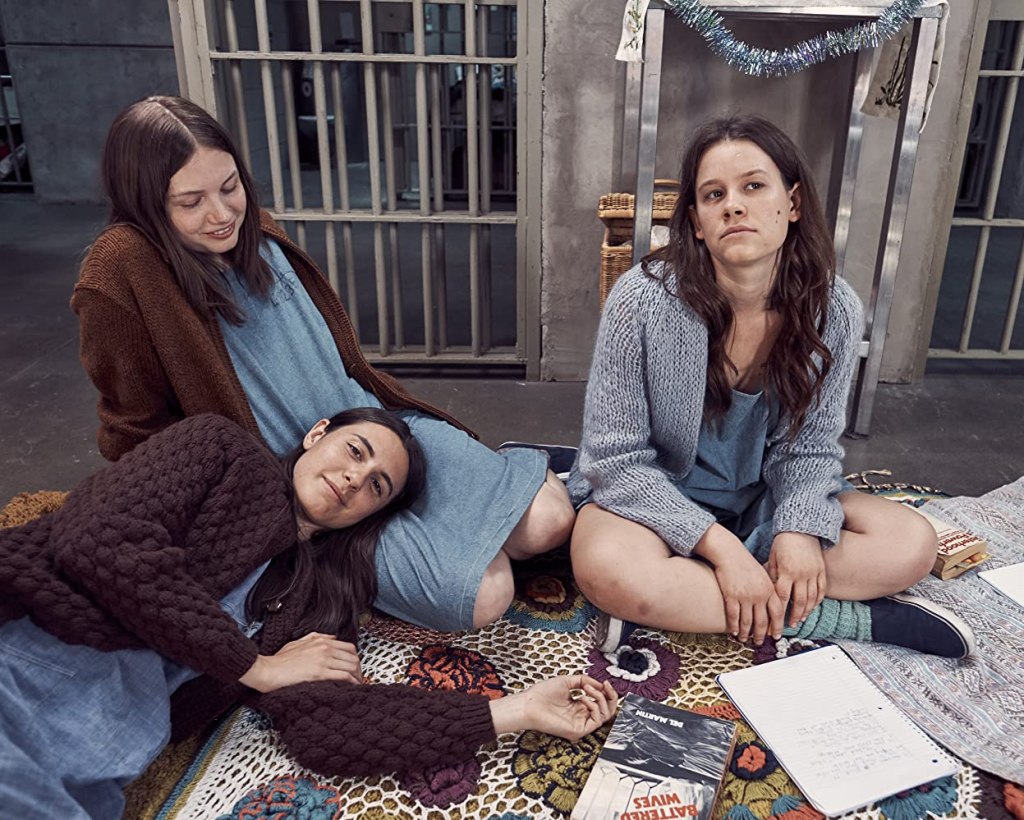
Leslie van Houten (Hannah Murray), Patricia Krenwinkel (Sosie Bacon) and Susan Atkins (Marianne Rendón) were sentenced to death for the murder of Sharon Tate (Grace Van Dien) – a murder they committed for their cult leader Charles Manson (Matt Smith) and that they have no regrets for. When their death sentence is changed to life in prison, graduate student Karlene Faith (Merritt Wever) starts to work with them. Karlene firmly believes that therapy can help rehabilitate the three women and make them understand the gravity of their crimes. Slowly they work their way through their relationship with Charlie and what they did together and for him.
Charlie Says is the perfect example of how you should make a film about a serial killer and cult leader: not by focusing on how charismatic he is, but instead focusing on the consequences of his behavior on the people around him. I was very impressed, both by the narrative and by the film itself.
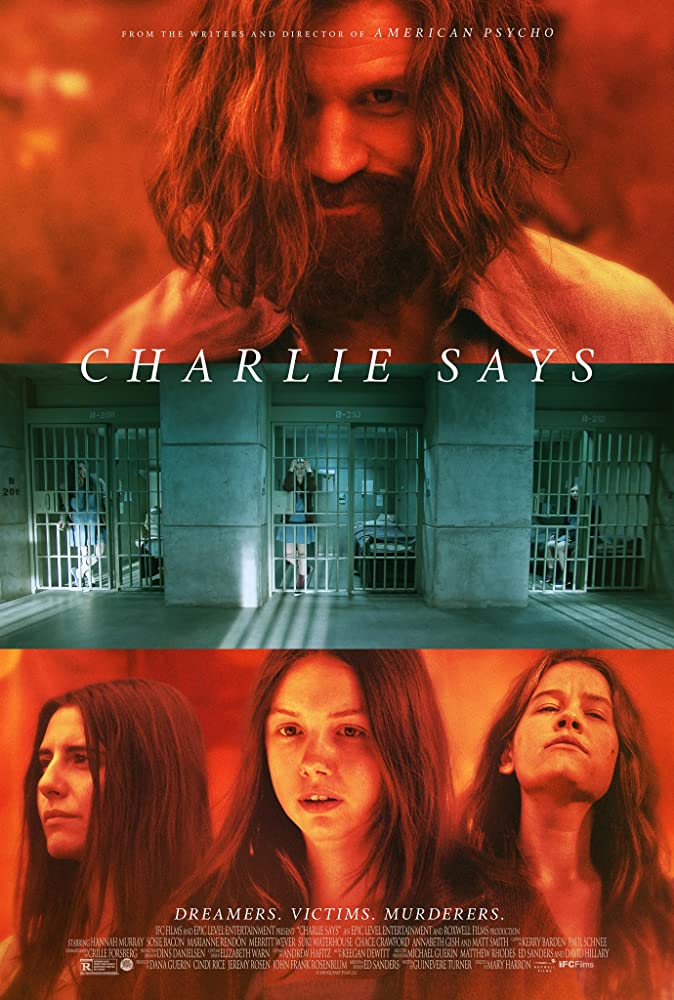
Movies about infamous killers are usually more like Extremely Wicked, Shockingly Evil and Vile: yet another entry into the myth building about and around these men (and mostly they are men) when we should be tearing them down rather than mythologizing them. Charlie Says understands that and goes a different way. Of course, we get an impression of who Charles Manson was, but the film is much more interested in the young girls he collected around him and brainwashed. How can they get past that brainwashing?
Acknowledging that these women were victims doesn’t mean that they weren’t perpetrators, too. In fact, the film makes it a point to show that they will never find out of either role and the shitty situation they ended up in – unless they accept their responsibility in what happened. Yes, Charlie used and abused them, brainwashed them and made them do things. But in the end, it’s they who did it. And they have to face the gravity and the terrifying consequences of their own actions.
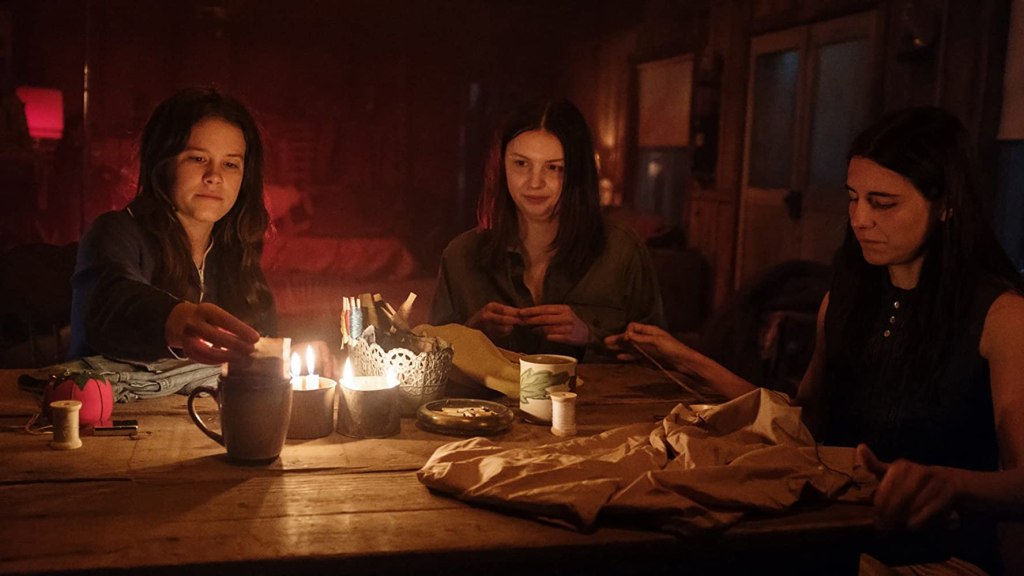
Harron doesn’t shy away from the violence that her protagonists committed, but neither is it her focus. The focus is on what happens after the violence, after the murder. Can anything happen at all? Can you move on and continue after such an act?
With this interesting narrative and the truly astounding cast – every single one of them is fantastic – Charlie Says had me at the edge of my seat. If more movies about killers were like it instead of the sensationalist stuff we usually get, I’d probably watch them much more.
Summarizing: insightful.
 kalafudra's Stuff