Dane-ye anjir-e ma’abed
Director: Mohammad Rasoulof
Writer: Mohammad Rasoulof
Cast: Soheila Golestani, Missagh Zareh, Setareh Maleki, Mahsa Rostami, Niousha Akhshi, Reza Akhlaghirad, Shiva Ordooie
Seen on: 22.-25.4.2026
Content Note: torture
Plot:
Iman (Missagh Zareh) has finally gotten the long desired promotion to be an investigative judge in Tehran. His new responsibility will mean a much richer life for his wife Najmeh (Soheila Golestani) and his two daughters Rezvan (Mahsa Rostami) and Sana (Setareh Maleki). But at a time of increasing unrest in Tehran with the protests against the mandatory hijab and the theocracy itself, political tensions also shape the family life. When Iman’s weapon goes missing, he suspects his wife and daughters, and he is determined to find the culprit.
The Seed of the Sacred Fig is a rallying cry against patriarchal forces. The title derives from the fact that the Sacred Fig takes root in another tree and effectively kills it to grow. It is no surprise that Rasoulof faced persecution for it in Iran. But it is also, quite simply, a really good film and very tense thriller.
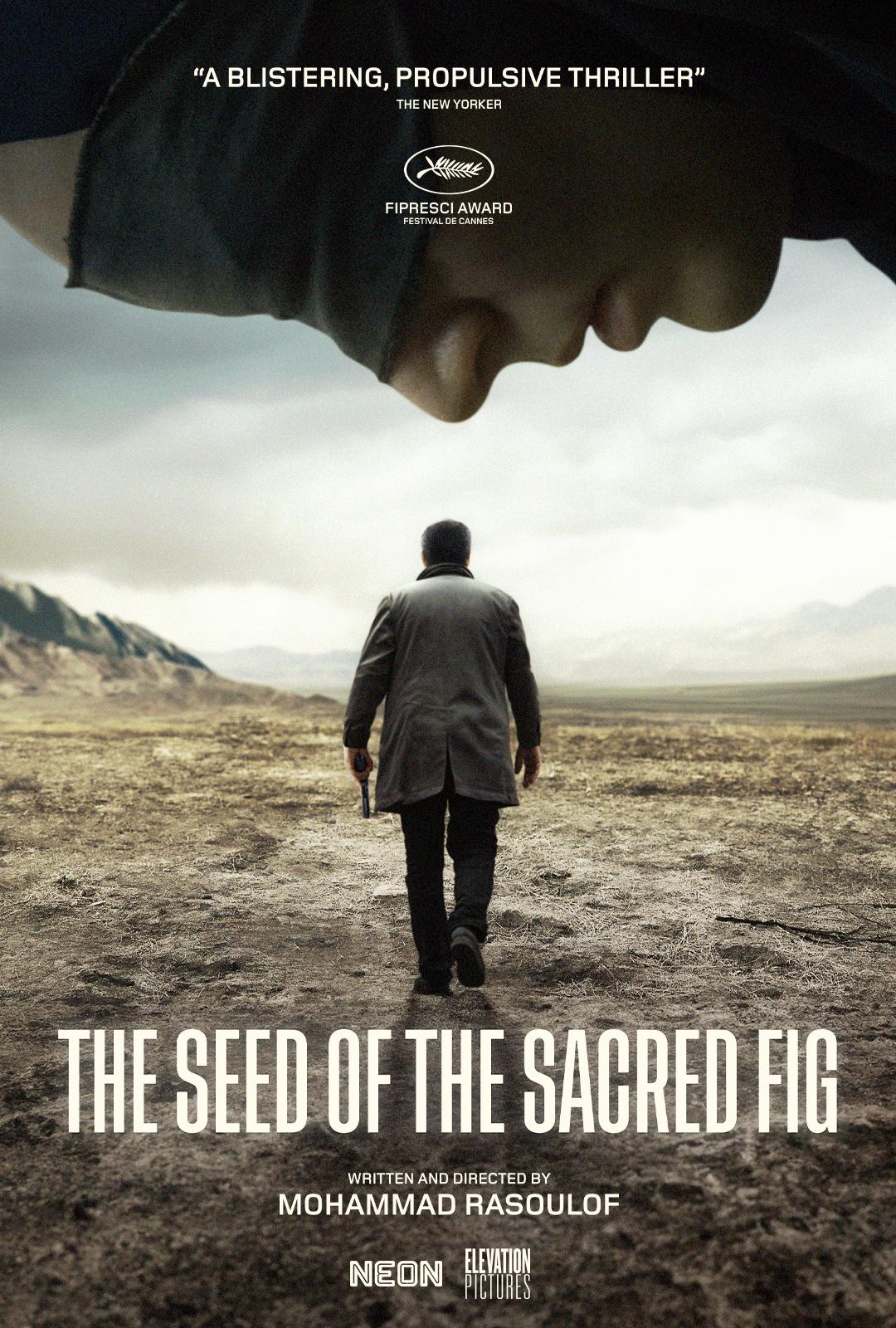
The Seed of the Sacred Fig is a long film, and by life being what it is, I had to divide my watch among 4 evenings. That is usually hell on movies and their pacing, but in this case, the film was able to sustain the tension even with those long breaks between the parts I watched. There was just one hide and seek like chase scene that went on a little too long for my taste. That sense of tension was even maintained despite the fact that I guessed very early on where the weapon went.
But that question might be the starting point of the plot, but it is the least interesting part of the film anyway. Instead the film gets its tension from the threat that hangs over the women of the family – and that threat is their own husband and father who fears losing his status in this patriarchal system. How precarious that position is becomes quickly clear at his work where he either does what he is told, or he is out.
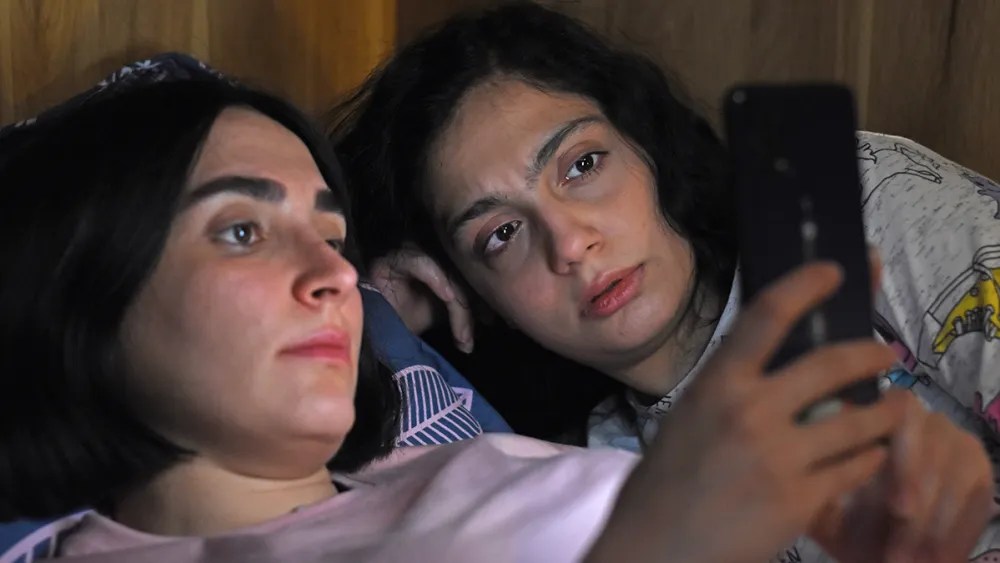
His position is not just threatened by the loss of the gun that makes it look like he isn’t even in control of his family. There is also Rezvan’s friend who gets caught in the student protests. Rezvan wants to ask Iman to use his influence for help, but Najmeh knows that it’s not quite that simple. While I myself think most like Rezvan, probably, I felt that the way Rasoulof and Golestani captures Najmeh’s attempt at keeping a delicate balance that upsets nobody, definitely not the status quo, was the most compelling thing about the film.
But altogether it is an impressive movie that had my complete attention – and how often can you really say that? Toward the end it might lean a little too much on narrative conventions to give us a solution, but other than that, I really have no complaints.
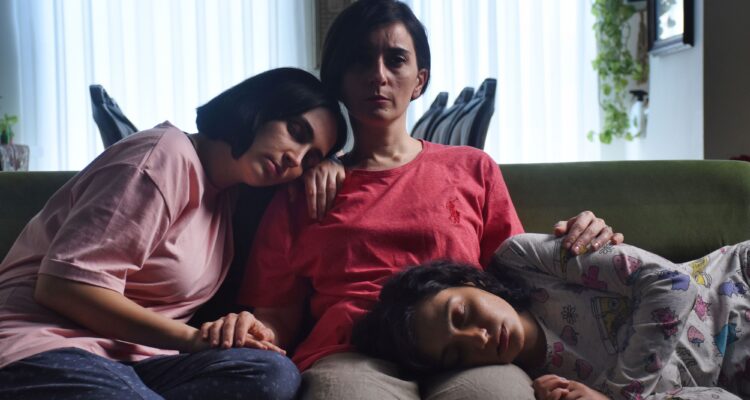
Summarizing: very good.

