The Bluest Eye is the first novel by Toni Morrison.
Finished on: 26.4.2026
Content Note: child (sexual) abuse, sexualized violence, domestic violence, incest, animal cruelty/death, (critical treatment of) racism
Plot:
Pecola is an unhappy child, an outcast who is believed to be ugly by herself and others. After her alcoholic father burns down their family home, she is placed in foster care with Claudia, Frieda and their parents, the MacTeers. But Pecola’s reprieve is short-lived.
The Bluest Eye is a hard read with a keen eye for (internalized) racism and the harshness that often comes with poor conditions. I’d recommend reading it with a lot of comforting stuff nearby, but I’d definitely recommend it.
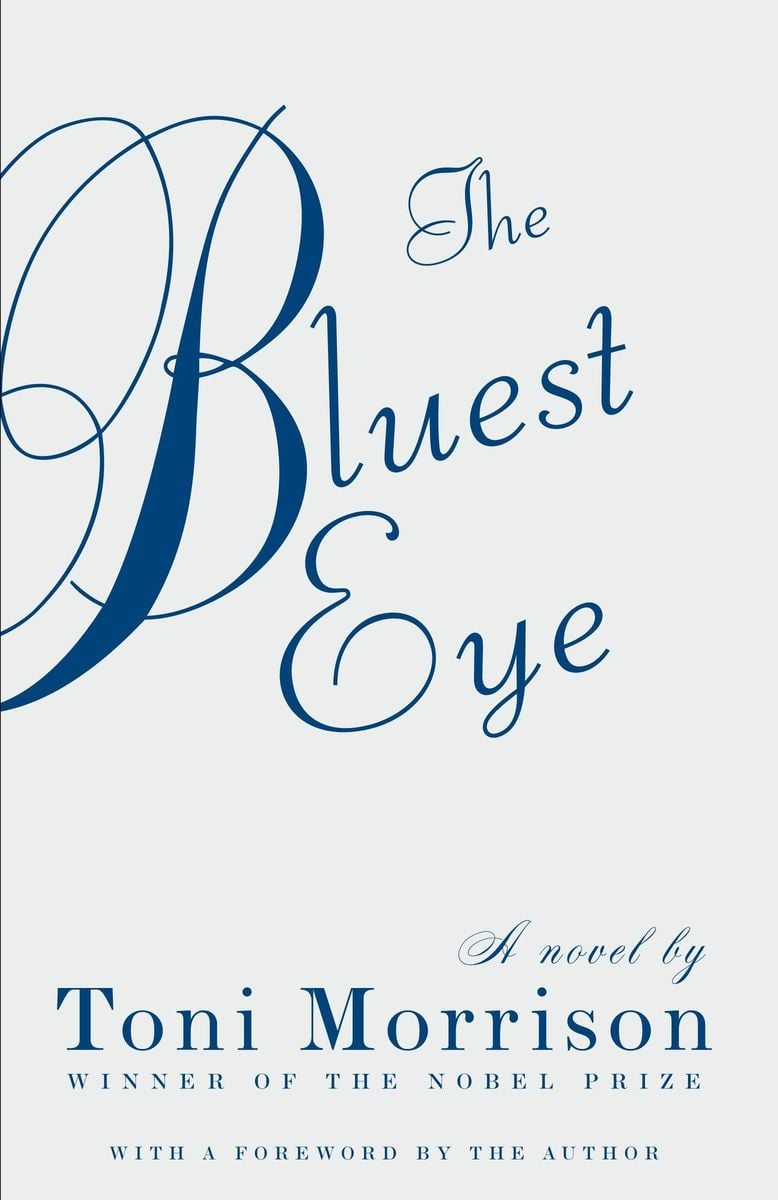
The Bluest Eye has the rough, unpolished feeling that first works often have and that are certainly part of their charm. It fits the rough content of its tale very well, that is for sure. Interested in explaining how people can turn out so cruel, it is at its best when that roughness makes us feel the harshness that Pecola experiences. And yet, I was almost grateful that the book spends a lot of time exploring Pecola’s parents history, separately and together, and not so much time with Pecola directly (though never really through her eyes) because that girl really has the worst life. And there is just nobody there who cares. Claudia and Frieda make a valiant attempt, but they, too, are just children. They may care about what happens to Pecola, but they are in no position to help.
So, the book is a harsh read, made tougher by the fact that it is so well-observed and clear about what is going on. I do feel like the psychologizing, the explaining is also a bit a sign of the times and having read it so shortly after Die Züchtigung, I saw more than a few parallels (though Die Züchtigung is in no way about Black experiences and 15 years younger). In any case, Morrison gives us many ways of living as a Black person at the time (and socioeconomic status) and very few of them are good. Or even just safe. And she touches on the many ways racism may also be internalized by those affected by it.
The book starts with a few “Dick and Jane” lines, taken from a picture book or a learn to read book. It comes back to those lines many times, repeating parts of it, leaving out punctuation, and creating a kind of poetry from it that brings the white experience into the book without actually focusing on any white characters. It’s a brilliant move and for that alone, the book should be read. But it is, of course, much more than that.
I can honestly say that it left a deep impression on me and I am looking forward to reading more by Morrison now. Although, if her other works are like The Bluest Eye, they will be very little fun to read.
Summarizing: really good.


[…] only recently read Die Züchtigung and The Bluest Eye, two books that are all about how hard life can be for children, especially girls. So, when I read […]