Virginia Woolf’s Night & Day
Director: Tina Gharavi
Writer: Justine Waddell
Based on: Virginia Woolf’s novel
Cast: Haley Bennett, Elyas M’Barek, Lily Allen, Jack Whitehall, Jennifer Saunders, Timothy Spall, Simon Phillips, Sally Phillips, Camilla Borghesani, Misia Butler, Elizabeth Edmonds
Seen on: 10.7.2026
Content Note: (critical treatment of) queermisia and misogyny
Plot:
London 1910: Katharine Hilbery (Haley Bennett) is an astronomer, or she would be officially if the astronomer’s society would accept women. After a vote about this matter was yet again unsuccessful for women, Katharine’s father (Timothy Spally) pressures her to accept the engagement of her childhood friend William Rodney (Jack Whitehall). It is Rodney who brings Katharine to a meeting where she meets the suffragette Mary Datchet (Lily Allen) who gives Katharine a chance to pursue her studies. And it is through Mary that Katharine meets the charming Ralph (Elyas M’Barek) who makes her question her refusal of romance.
Virginia Woolf’s Night & Day is a nice film, but not a particularly good one. I appreciated what it set out to do but it didn’t really do it well.
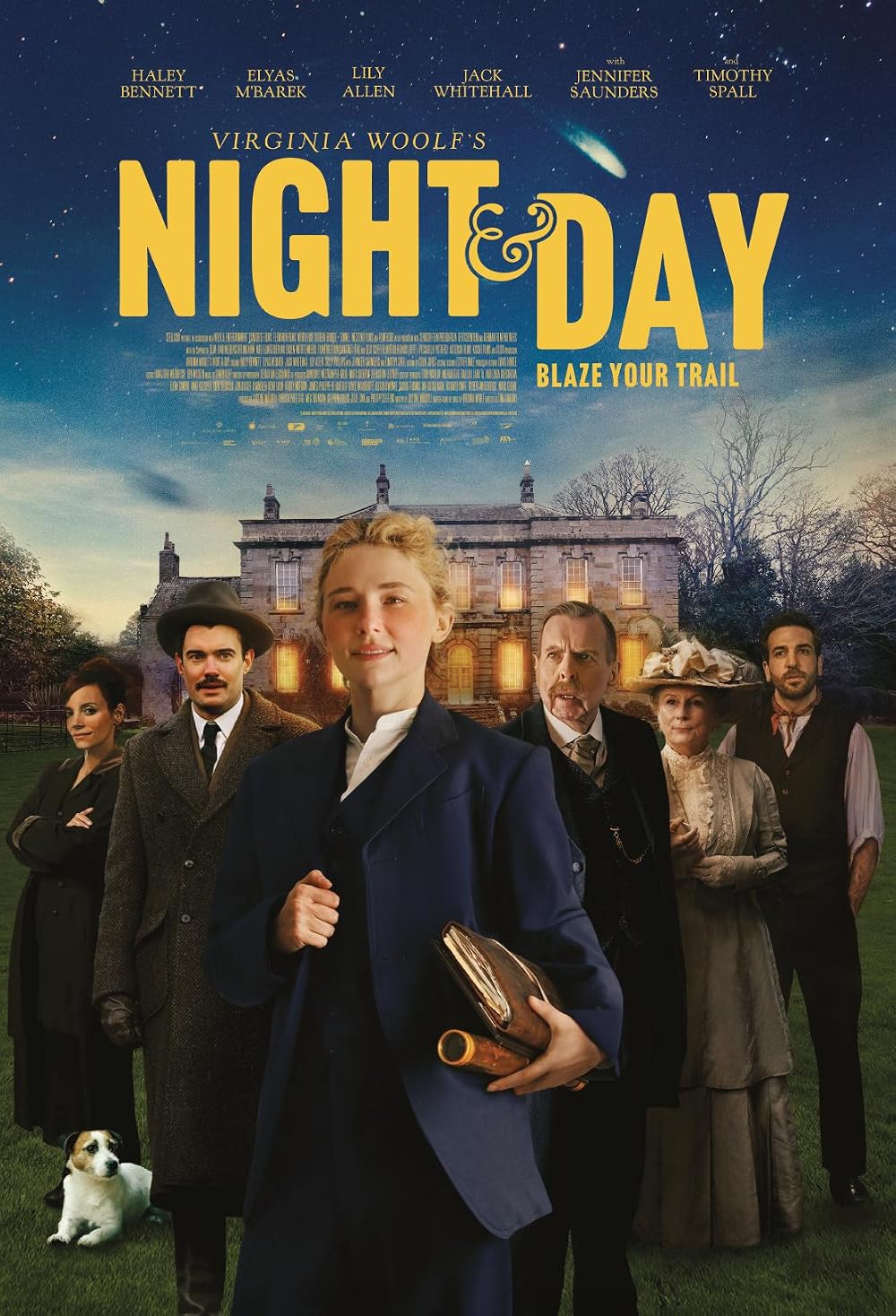
I haven’t read Woolf’s novel. In fact, I had never heard of it before this movie adaptation (which might be the reason why the title of the film includes her name so prominently), but if the movie is any indication, it is rather different from her other works. It certainly made me curious to read it.
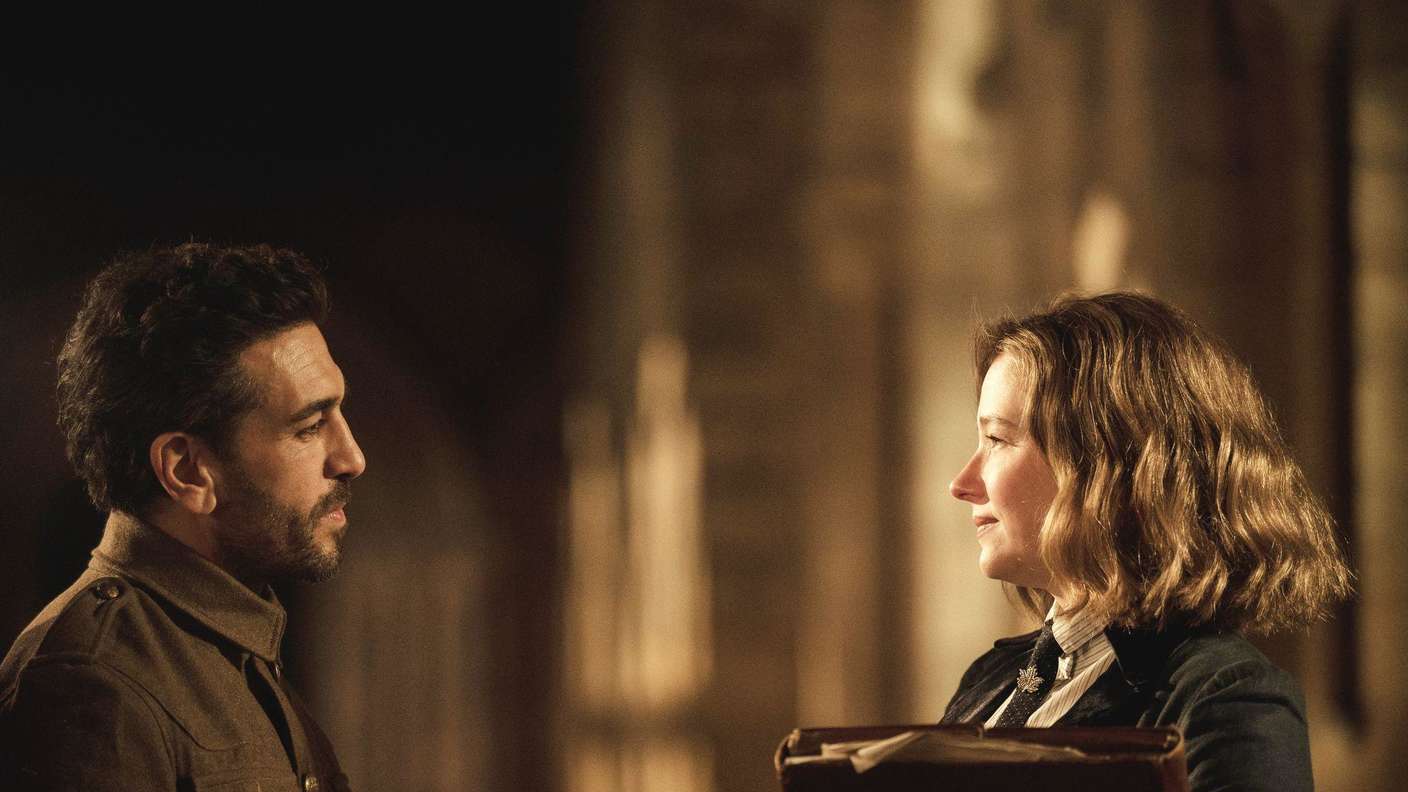
But the movie itself is not exactly great. Haley Bennett does a lot, but a lot of the acting in the film is absolutely wooden. To be fair to the actors, it is hard to give a great performance when the script gives you the flimsiest of characters to act out. The only one who gets more than one note is Katharine, but she only gets like three notes, so it is not that much either. Seriously, though, the scene where Katharine meets Ralph is the most awkward thing I have seen in a long while.
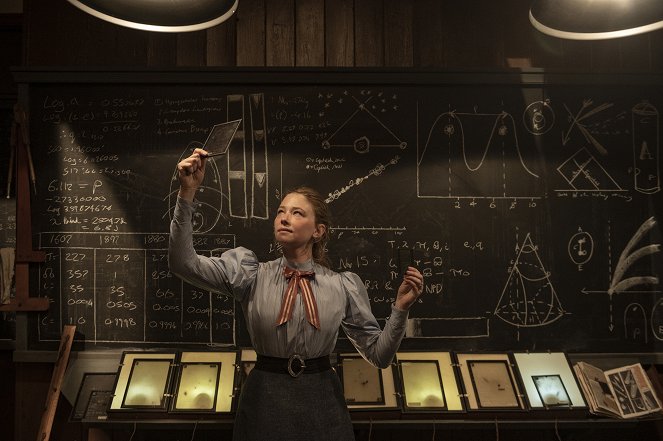
The story is a rather conventional romance that seems to but only minimal effort into establishing chemistry betweent the two leads. Surprisingly, it works well enough, regardless. And I sympathized with the movie’s political intentions, which is always a plus. (Although I have to say that I really did not appreciate that the queer cousin had to die for Katharine to learn stuff. Especially since he apparently just keeled over from being too weak which feels rather a homomisic cause of death for a gay man.) At times, the movie captures some really nice images (other times it looks like the set of a school play).
All in all, it just didn’t really come together. It has good moments, but they are not enough to carry one through the film. But I think I will see whether the book works better for me than this adaptation. So, the film wasn’t a complete loss as it made me curious about the book.
Summarizing: okay but not more.

